


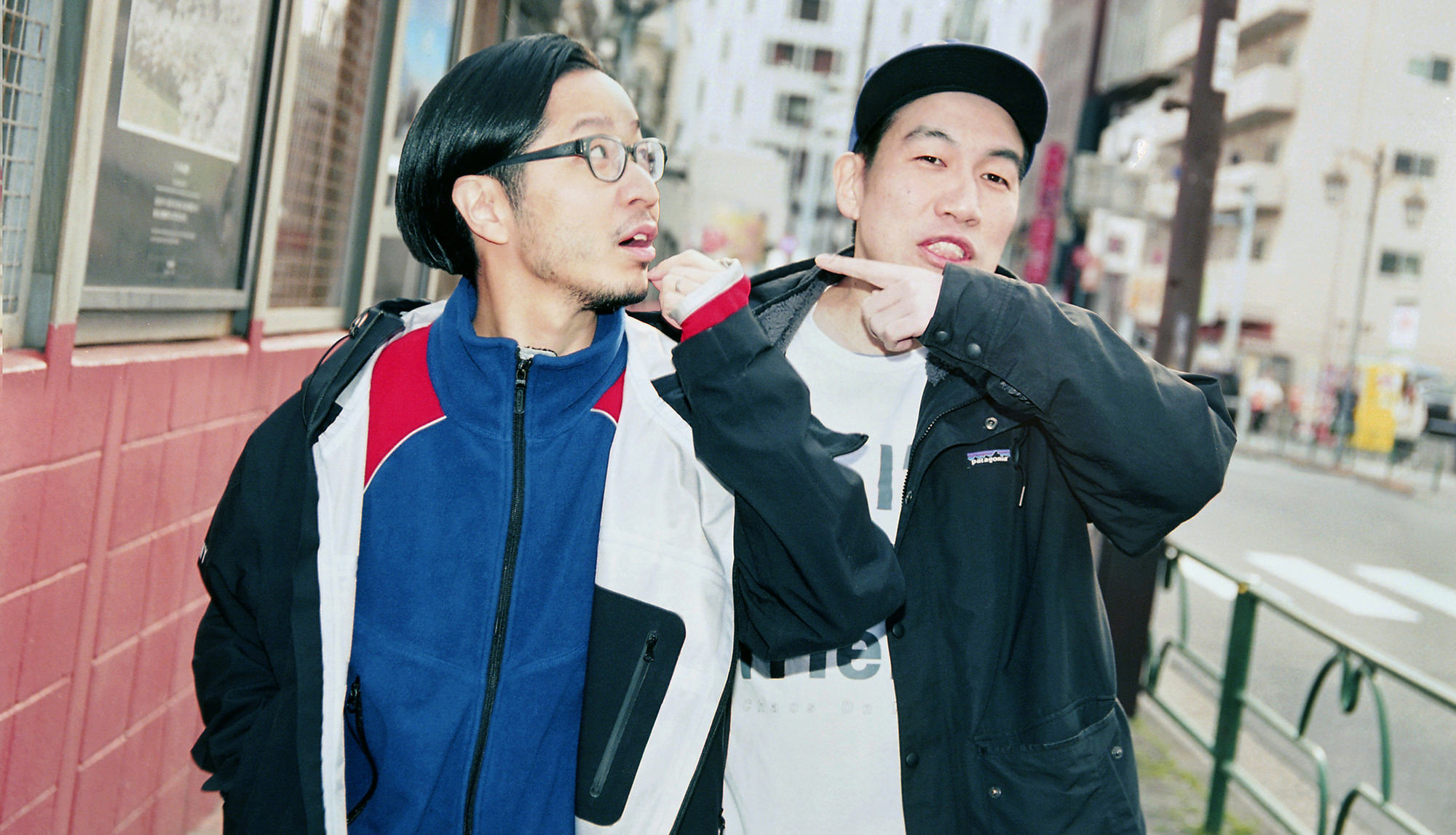
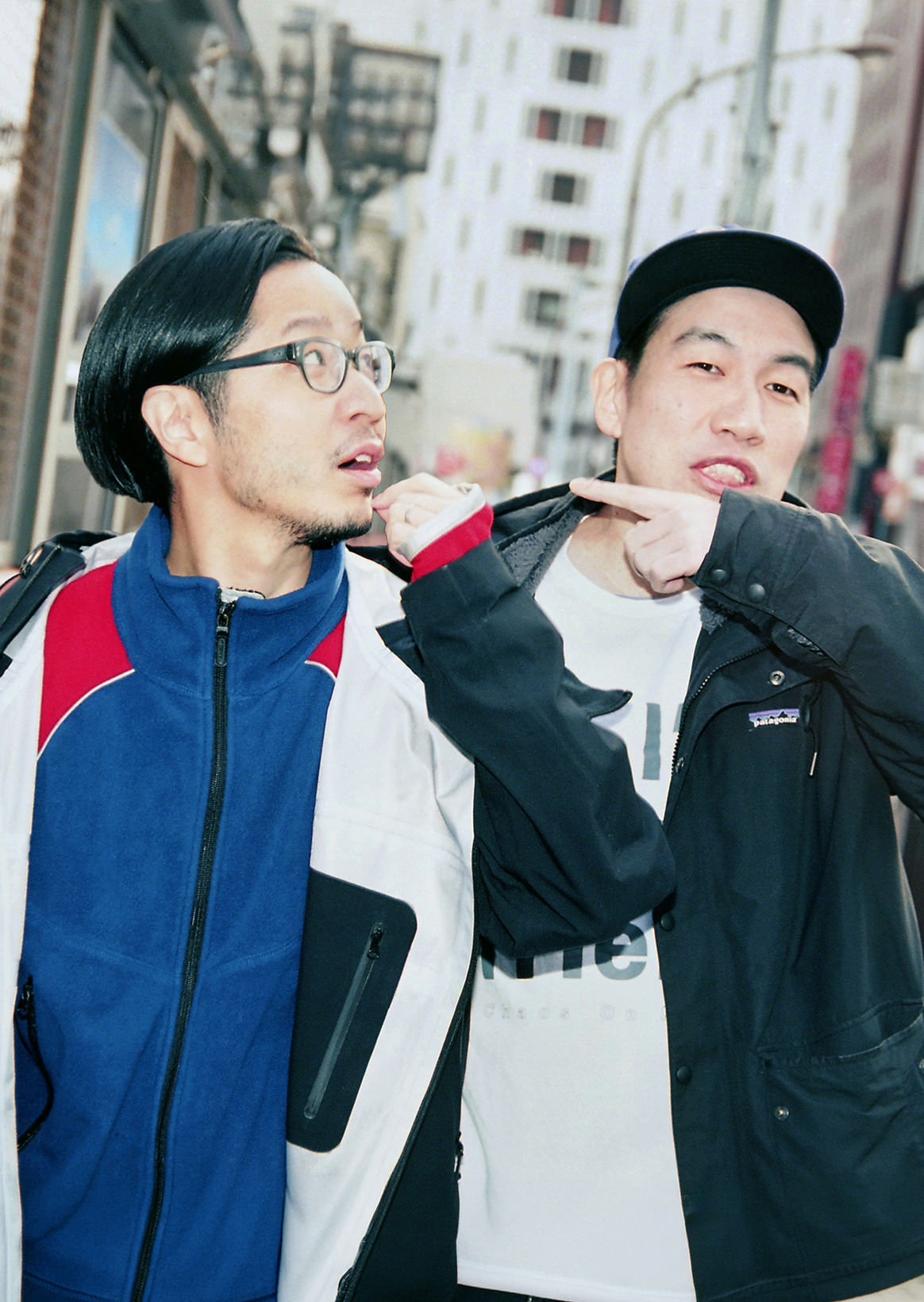
The DJ duo "Itabashi Brothers," consisting of rapper/producer PUNPEE and DJ/rapper Harashima "Domannaka" Hirofumi, performed at "LINK MARKET" in November 2024, commemorating the 55th anniversary of Ikebukuro PARCO. Both PUNPEE and Harashima, who hail from Itabashi Ward, grew up surrounded by the culture of Ikebukuro, their closest neighborhood, since childhood. We spoke to them about their hometown of Itabashi, the culture of Ikebukuro including PARCO, and their memories of the city.
- Photo
- Takahiro Mizushima
- Hair&Make
- Harumi Ikenaga
- Text
- Shin Futatsugi
- Edit
- Mariko Araki
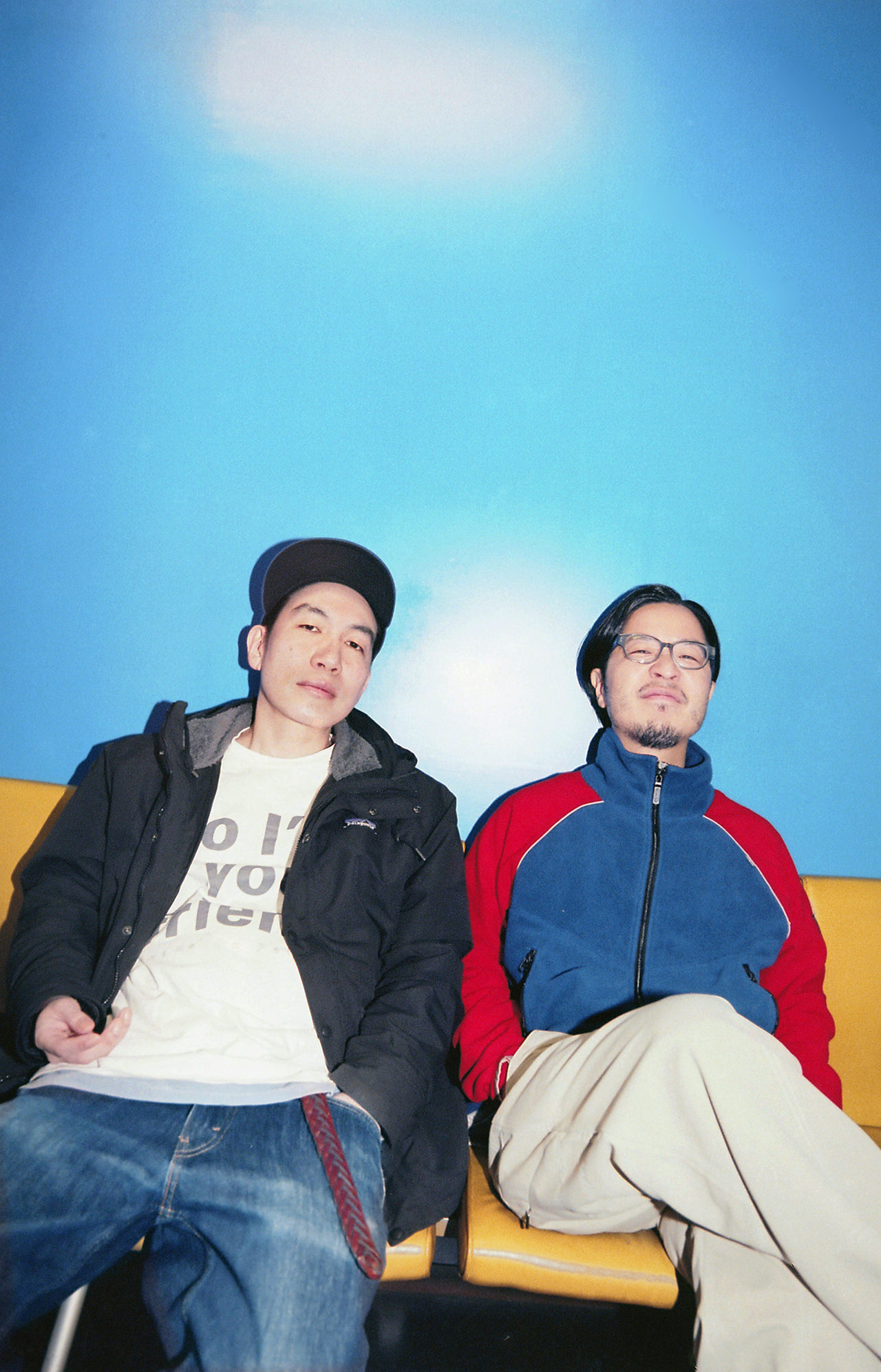
—Could you tell us about how the two of you met and how the Itabashi Brothers were formed?
Harashima: "I originally met PUNPEE at a club in Shibuya."
PUNPEE: "That's right. The first time we met was at SIMOON (a club that was located where CIRCUS TOKYO is now)."
Harashima: "PUNPEE had already mastered the MPC (music production equipment), which I was having trouble using, so I wanted him to teach me, and I suggested we hang out. Then we found out that we happened to live close to each other."
PUNPEE: "My family home was at the next station over. So we used to talk about rap and music at a family restaurant near our hometown."
Harashima: "You didn't drink any alcohol, just ordered drinks from the drink bar and stayed for two or three hours. After that, you performed at events I organized, and PUNPEE invited you to DJ and perform live. As the scale of the events you performed at grew, you were asked to be PUNPEE's back DJ. And then came the Itabashi Brothers, right?"
PUNPEE: "I don't remember where we first started calling ourselves the Itabashi Brothers."
Harashima: "The first event was one that Saito DISCO (now a staff member at SUMMIT) organized when he was working at BATICA in Ebisu. Before that, when I was DJing, PUNPEE would sometimes do side mic work on a whim, or PUNPEE and I would do B2B (where two or more DJs take turns playing tracks) when we were drunk. Saito DISCO saw that and offered us a gig, saying, 'Could you do it in that style from the beginning?'"
PUNPEE: "What?! So DISCO is the real creator? I came up with the name?"
Harashima: "Yeah, the Itabashi Brothers were PUNPEE's idea. At first, I was worried it might get confusing since there are already the Takada Brothers (PUNPEE and his younger brother, 5lack), but I was being rushed to decide on a name quickly so it could be put on the flyer, so we just went with it."
PUNPEE: "Haha. That's how names and things like that are decided, right?"
Harashima: "So, in terms of when we formed, it was around 2014."
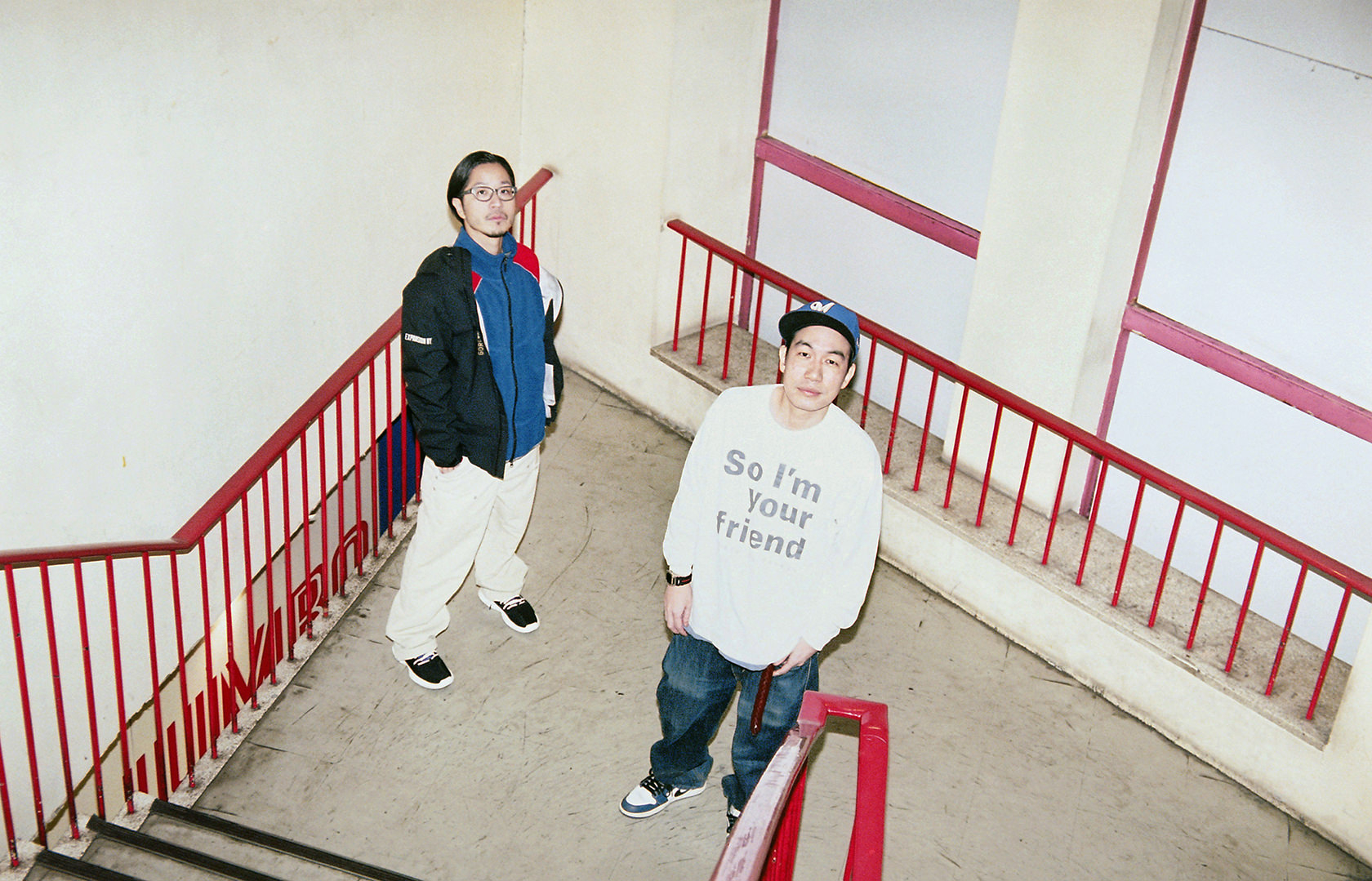
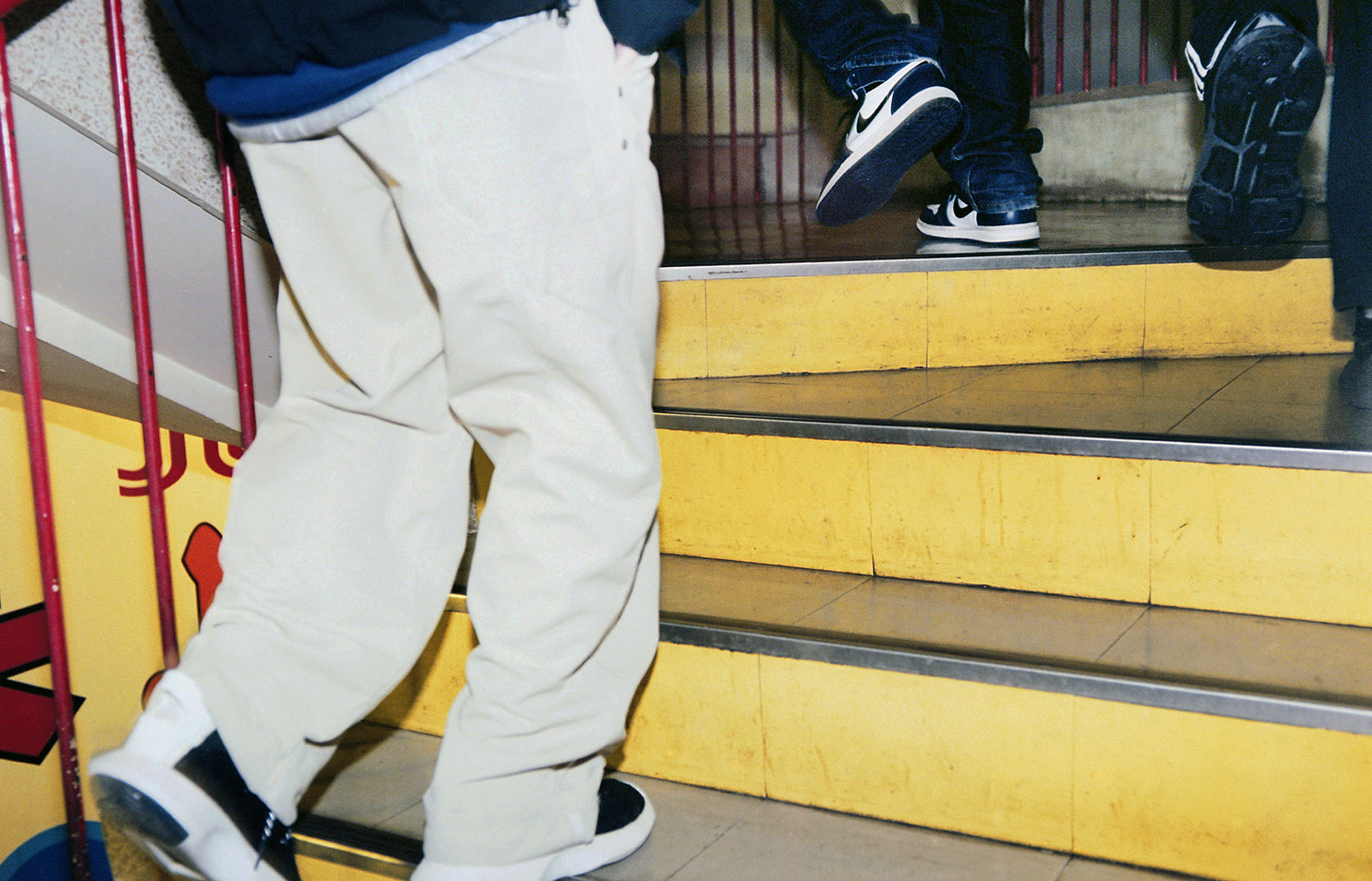
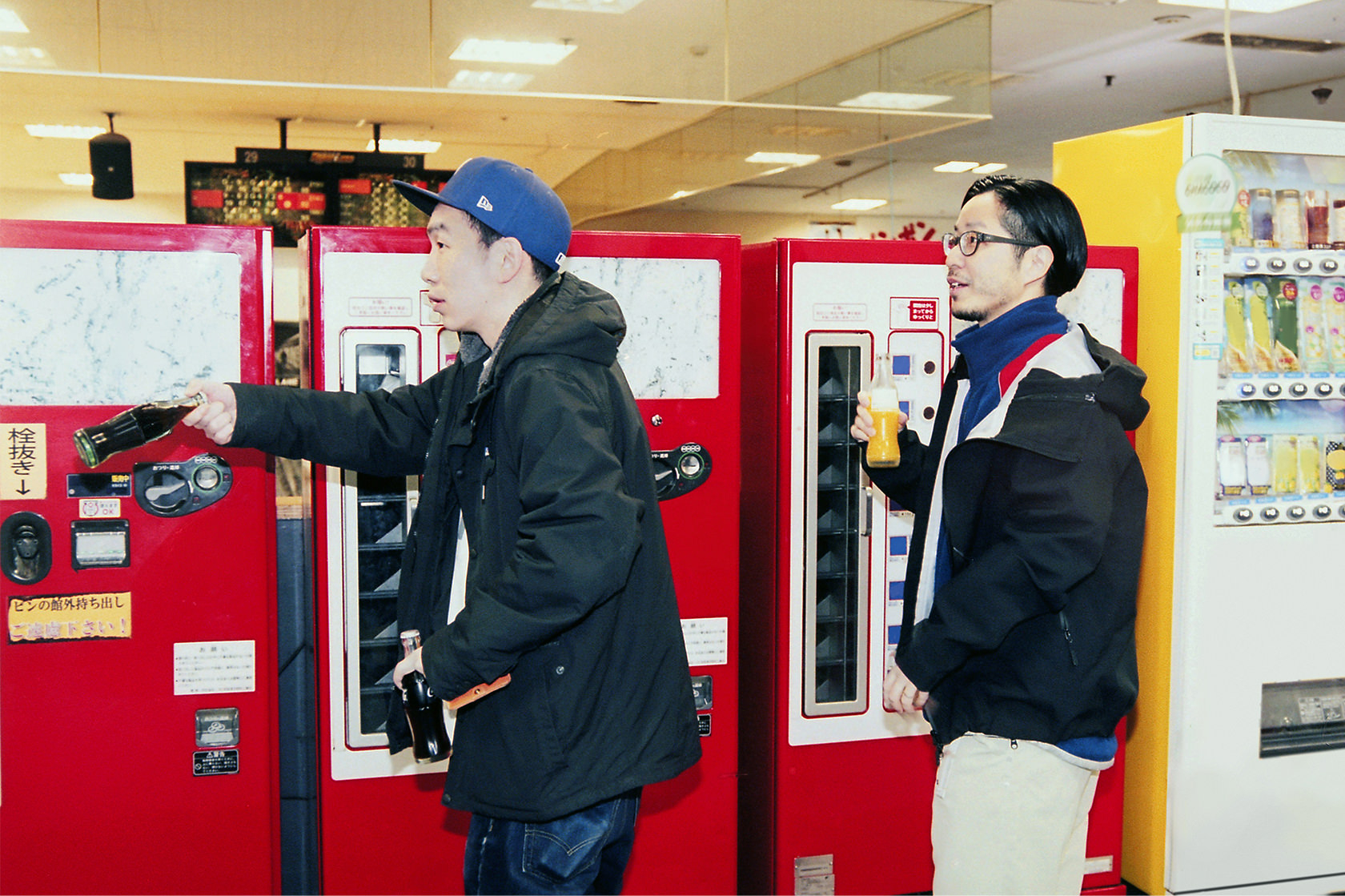
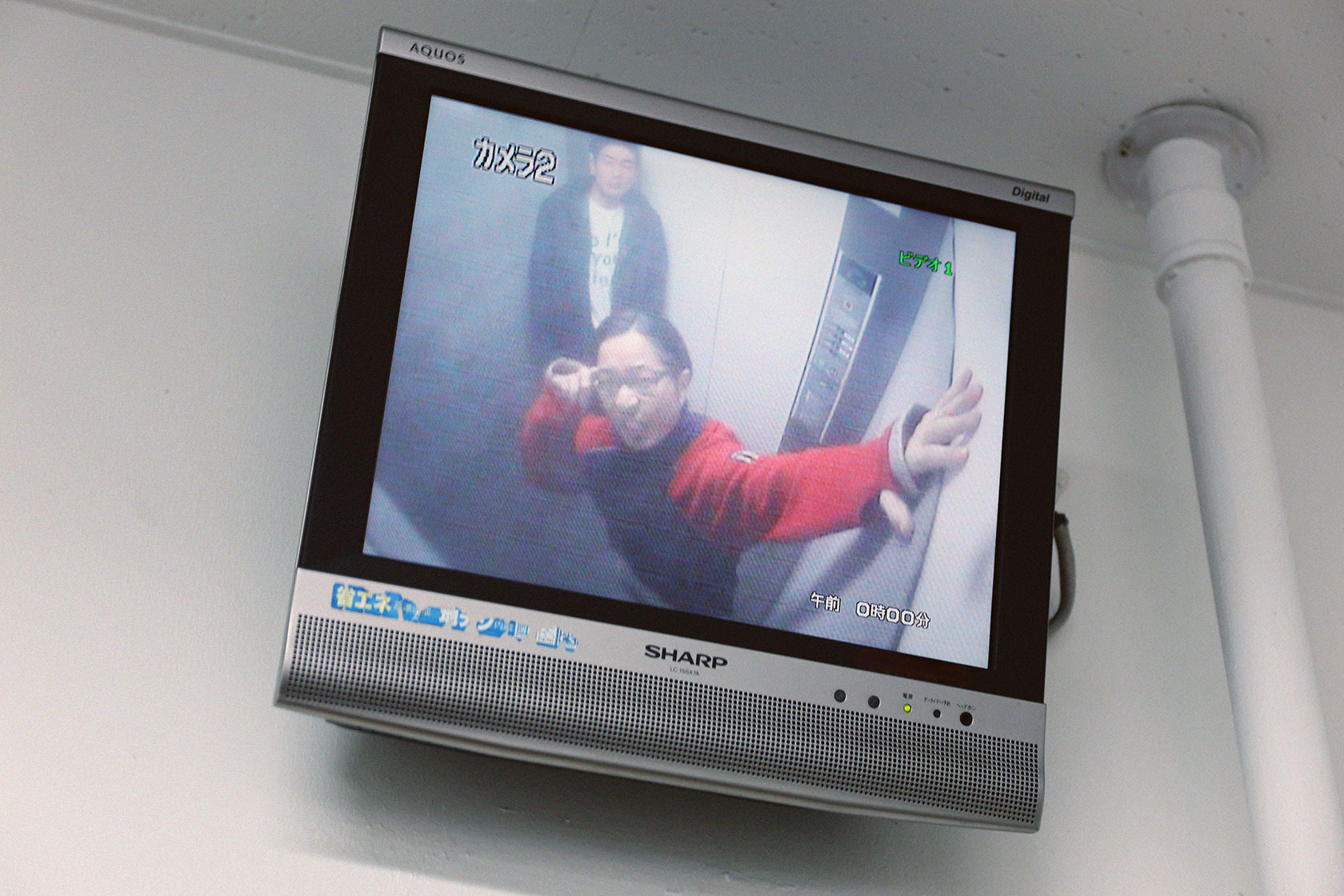
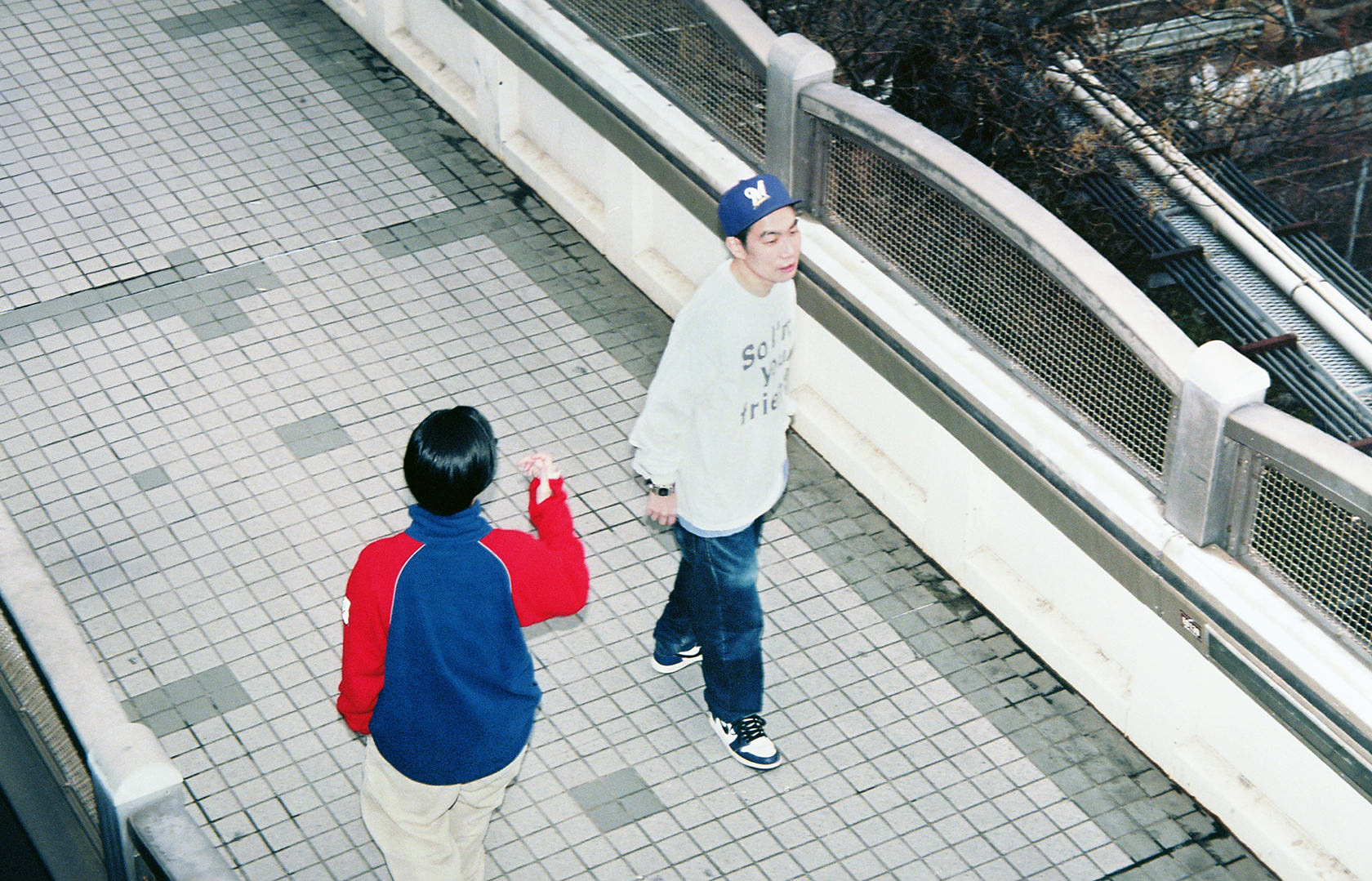
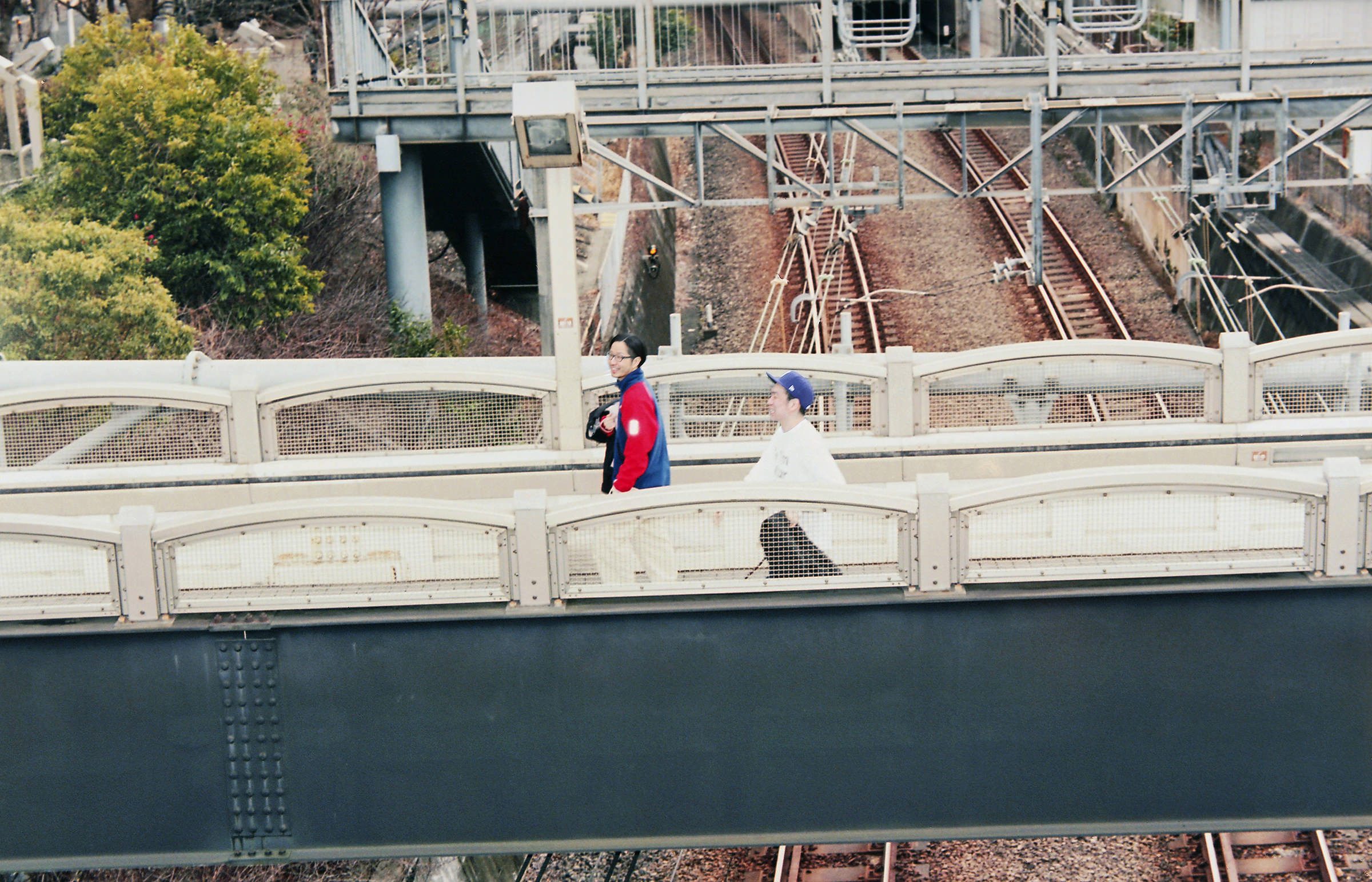
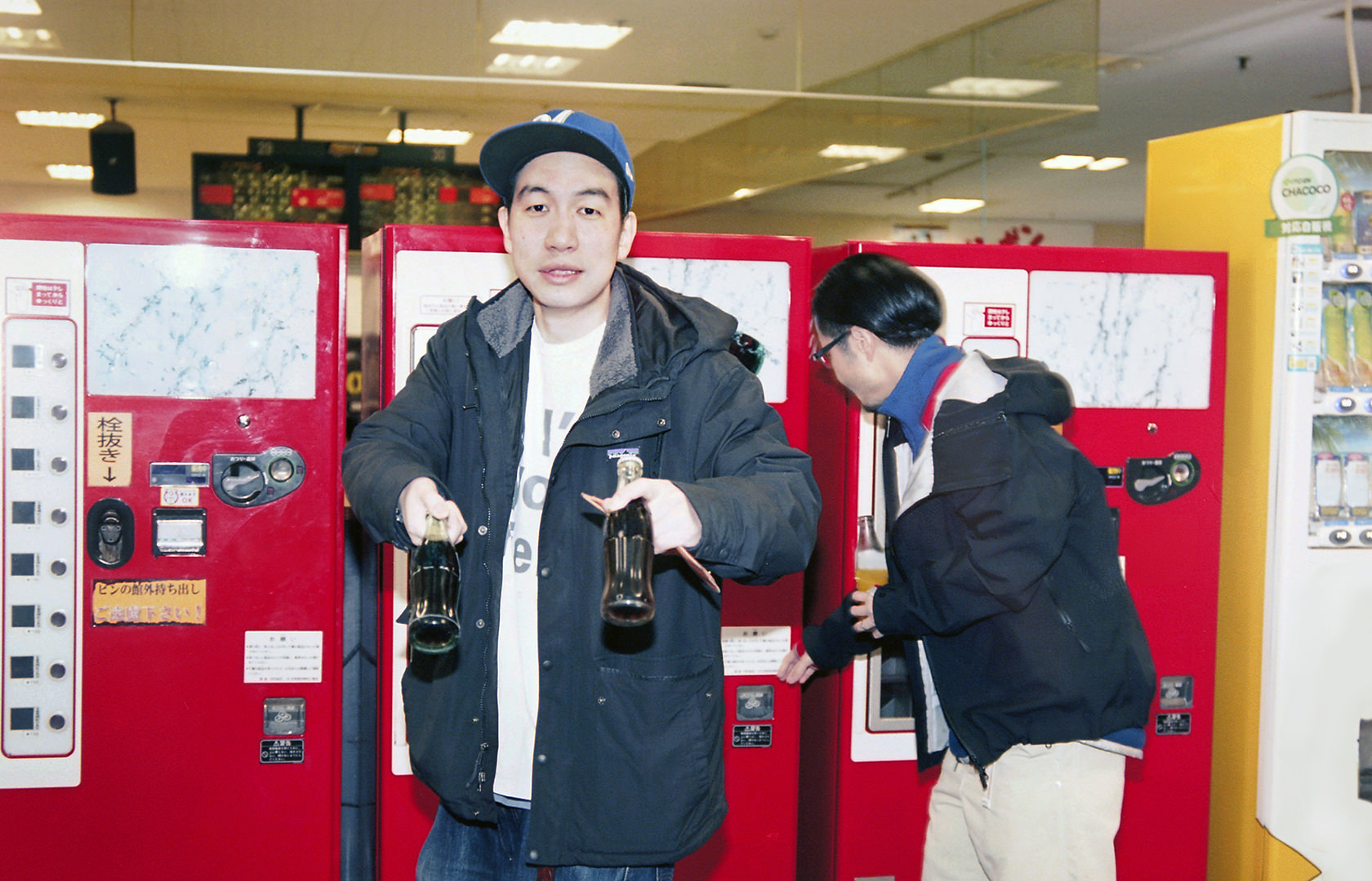 On the way to the filming location, they went to the Ikebukuro bowling alley where an acquaintance of Harashima "right in the middle" Chuho works.
—The Itabashi brothers performed at an event called "LINK MARKET" in November 2024, which commemorated the 55th anniversary of Ikebukuro PARCO. How was it?
Harashima: "In the dressing room right before we went on stage, PUNPEE and I were discussing which songs to play, deciding which ones to play for the actual performance. Because of the nature of Ikebukuro, I was adding beats to the music that plays on the Tobu Tojo Line. I think PUNPEE suggested playing Kuroyume at that time, right?"
PUNPEE: "No, it's SADS (the band formed by Kiyoharu, the vocalist of Kuroyume). Their song 'Boukyaku no Sora' was the theme song for 'Ikebukuro West Gate Park (IWGP)'."
Harashima: "You haven't watched 'IWGP,' have you?"
PUNPEE: "Yes, I've watched it (laughs). It was released on Netflix in 2023, so the line 'Ikebukuro is the best!' from the drama really stuck with me."
Harashima: "It was really great that I brought that voice sample and used it that day."
PUNPEE: "In March of the same year as PARCO's 55th anniversary event, there was also an event in Okutama, a place with ties to Harashima-san, separate from Ikebukuro. In the drama 'Chūzai Keiji' (Resident Detective), which is set in Okutama, there's a line that goes, 'Okutama is the best!' I don't know if it's an homage to 'IWGP' or not, but that was also in the back of my mind."
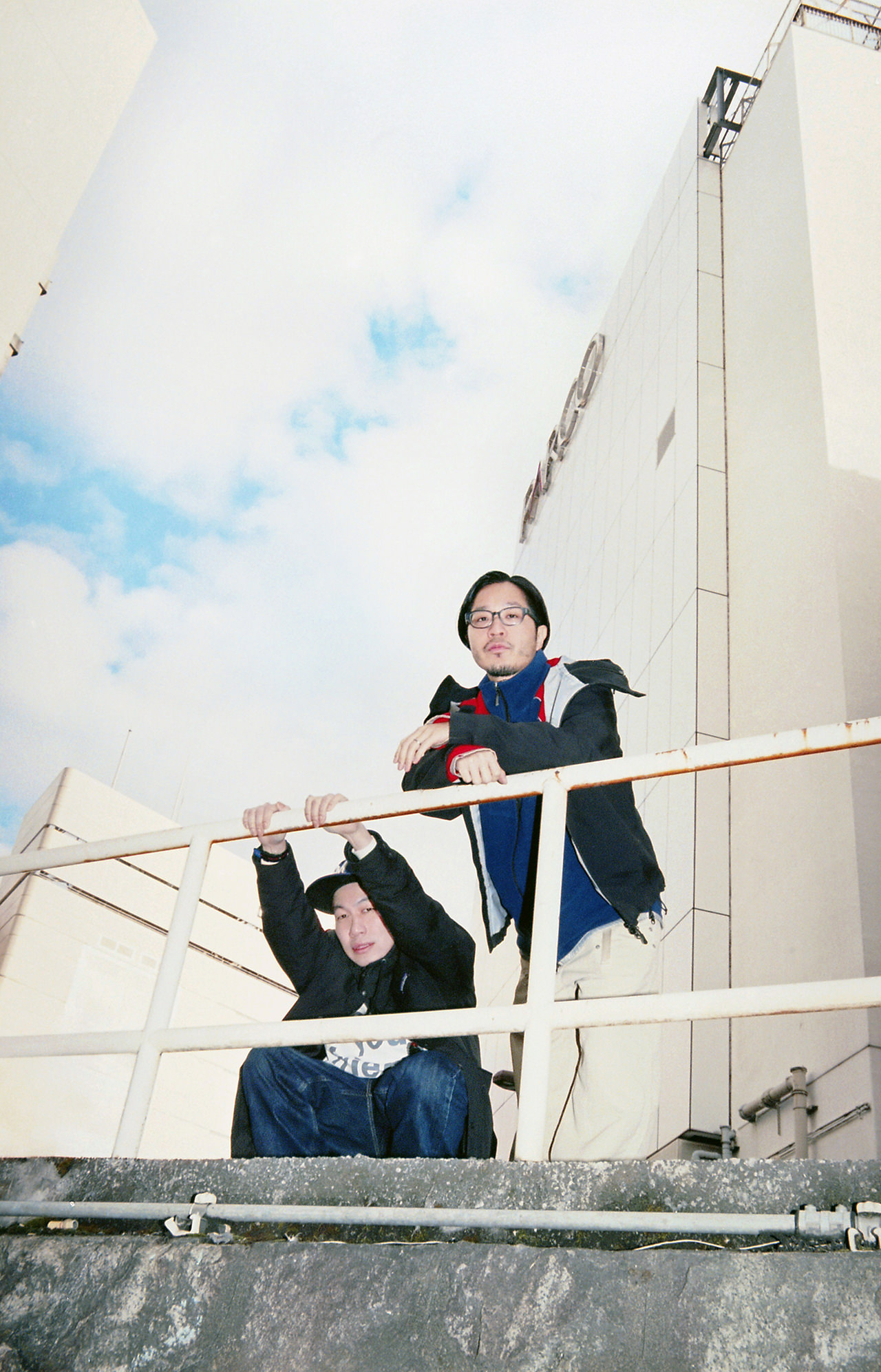
Harashima: "But I was surprised that they were playing music at such a high volume on the rooftop of the Ikebukuro PARCO main building. They were doing it for several days, so if I came to Ikebukuro on another day and was just walking down the street, I could tell what song was playing (laughs)."
PUNPEE: "That was the first time I went up to the rooftop, and you could see the PARCO sign up close, so the location was great."
—— When it comes to PARCO and music, the presence of the record shop WAVE is significant, right?
PUNPEE: "What I remember most well is the record market, which was P' PARCO."
Harashima: "Yes, yes."
PUNPEE: "Sometimes there were records released by a huge variety of record stores, including Darumaya (a long-established record store in Ikebukuro). When I bought a record there, the bag was WAVE. It was interesting that record stores I usually wouldn't go to were also gathered."
Harashima: "When I was in my first year of high school, I bought a 12-inch version of RHYMESTER's 'B-BOYism' at WAVE. The first single 'Mind.' The first single from Germany's underground hip-hop, SQUARE ONE, Body. Soul.』 There were also niche records like those on display. There were cool songs playing, and when I asked, 'What is this?' a buyer told me about it. There was a good buyer, and it seemed he was a bit famous. It was also interesting that WAVE had boots (pirated versions). Like the boot of Rakim's 'It's Been A Long Time,' which usually only comes out as a promo.
PUNPEE: "Booting hip-hop records is a culture in itself, and that's why everyone was DJing. So people with hip-hop sensibilities were the buyers."
Harashima: "During the record boom, there were record stores inside Sunshine. Also, P' PARCO had street brands like Stüssy, and PARCO had a stylish image."
PUNPEE: "I used to go to the music store inside PARCO and buy headphones. Yes, when you think of WAVE, I remember coming of age (laughs). It was fine to go to the coming-of-age ceremony, but because of the giggling at the entrance of the venue, a mysterious rebellious spirit from that time suddenly surfaced, so instead of attending, I dug up records at WAVE and went home."
Harashima: "Did you go in a suit?"
PUNPEE: "That's right. Maybe I had the assumption that digging up records was like vandalism. It was a mysterious, painful rebellion."
Harashima: "Hahaha. Also, when it comes to record stores in Ikebukuro, Bounce Record is located just a little off Sunshine Street. Rapper B.D. also works there, and it was the record store that inspired me to buy used records before going to Shibuya."
—So, for the two of you, Ikebukuro was a more familiar town than Shibuya?
Harashima: "When I was in high school, Shibuya made me nervous."
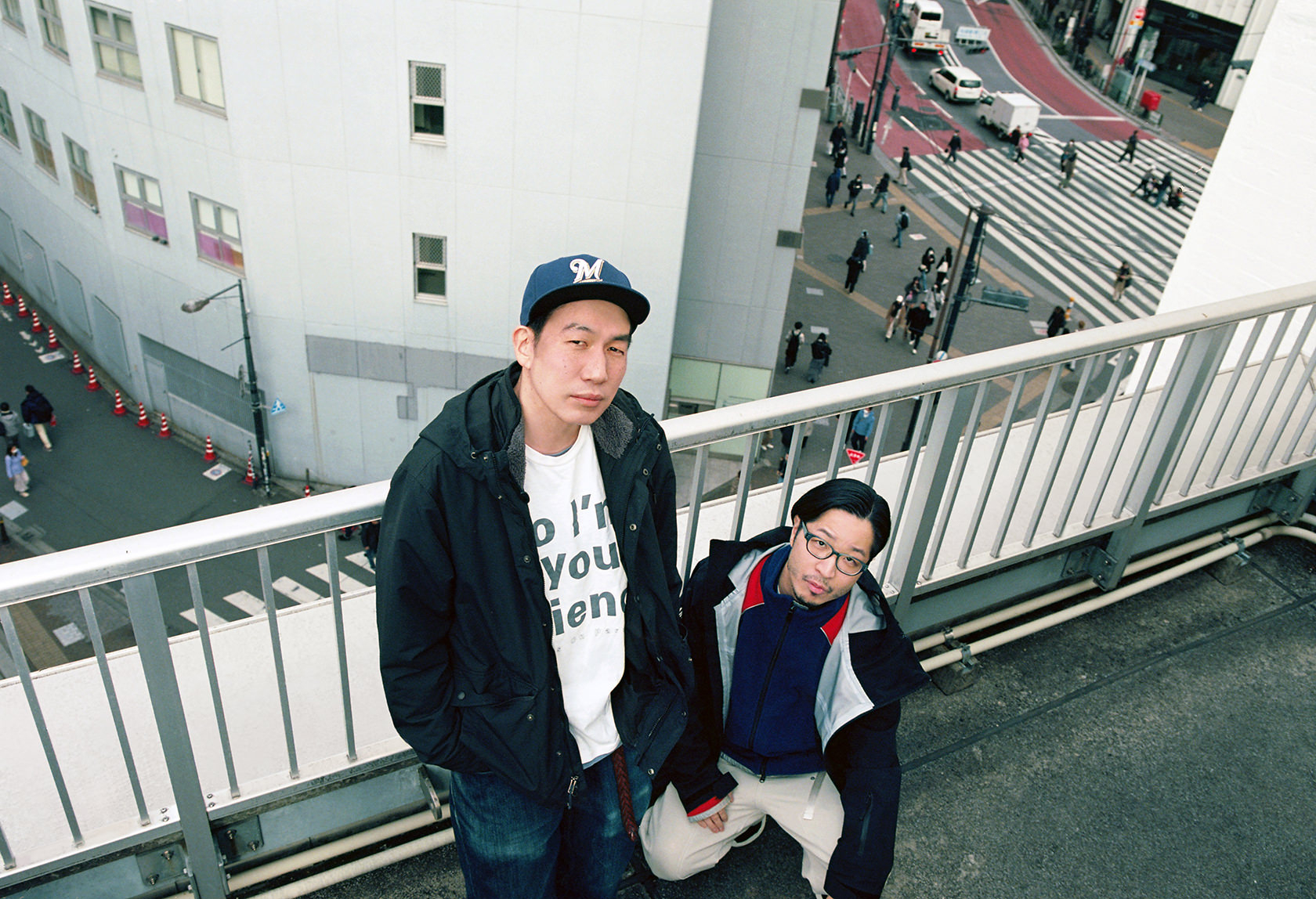
PUNPEE: "The first bustling downtown area I ever experienced was Ikebukuro. I lived in Itabashi from the fourth grade of elementary school, and before that I lived in Sugamo."
Harashima: "It's even closer to Ikebukuro."
PUNPEE: "Even as an elementary school student, I could ride my bike to Ikebukuro. There was an arcade in the basement of Sunshine City."
Harashima: "I found one. A really big one."
PUNPEE: "There was a toy store and an arcade, and lots of gachapon and card vending machines lined up, and I always looked forward to going there. My first childhood memory of Ikebukuro is the huge building called Sunshine."
Harashima: "Didn't we have a transparent maze on the first basement floor? Was that a dream? (laughs)"
PUNPEE: "Haha. Sometimes you have those moments where you think, 'Was that a dream?' You remember it, but you can't find any information about it online. I'm sure there was an American chain video rental store called Blockbuster in Itabashi, but I can't find much about it online. At times like that, you start to wonder if it was all a dream."
—PUNPEE's love for American comics is well-known, and there's an anecdote about him buying American comics at the PARCO bookstore and reading them on the stairs.
PUNPEE: "It was the main store. There was a huge bookstore on the 7th floor or so, and they sold American comics there. They had a wide selection. Also, near Namjatown, behind Tokyo Hands, there was Manga no Mori. They had a lot of American comics that hadn't been translated into Japanese. I used to go there when I was in 5th or 6th grade."
Harashima: "Since when have you liked American comics?"
PUNPEE: "I was in fourth grade. I remember buying 'X-Men' at a bookstore inside Bic Camera in Ikebukuro when I was about 10 years old. At the time, TV Tokyo was also airing the 'X-Men' anime. Ikebukuro is a bustling area, so there were things there that Itabashi didn't have, and I always looked forward to going there."
Harashima: "Ikebukuro has the main Animate store, and anime culture is really thriving there. There's also Otome Road, and women exchange cards and merchandise around Naka-Ikebukuro Park."
PUNPEE: "Speaking of anime and manga, when I was still living in Sugamo, a used bookstore opened in a small shopping street near my house. It was called 'Ken-chan's Manga School,' and as the name suggests, it was run by a man named Ken-chan. They sold used comics like 'Dragon Ball' at cheap prices, so I went there often. Ken-chan was always working hard in his wheelchair, and that left a lasting impression on me even as a child. Later, when I started going to Ikebukuro, I discovered a specialty anime and manga store called K-BOOKS near Sunshine City. I thought, 'Wow, there's such a big store here,' and didn't pay much attention to it at the time, but when I was around 30, I suddenly became curious and looked it up, and I found out that it was a store that Ken-chan had expanded his business into."
Harashima: "So the 'K' in K-BOOKS stands for Ken-chan!"
PUNPEE: "That's right. What's more, they've opened stores outside of Ikebukuro and Tokyo, and Ken-chan has even published a book titled 'Even though I'm bedridden with a serious illness, I earn 5 billion yen a year by relying on others!' I was surprised to learn, 20 years later, that Ken-chan, who ran a used bookstore in my neighborhood when I was a kid, has become incredibly successful. It's a big personal memory for me, and it's also related to the fact that Ikebukuro has become like a sacred place for anime and manga culture."
—The fact that Itabashi is your hometown is a big part of your connection to Ikebukuro, isn't it? How was the Kitamachi Kamijuku Park Machi★Waku Festa that you participated in as the Itabashi Brothers at the end of 2025?
Harashima: "We were invited as the Itabashi Brothers, but actually, that event is a joint effort between Meguro Ward and Nerima Ward to revitalize their shopping districts. It started in Meguro, and this time, the Tobu Nerima shopping district was invited. The owner of Musashino, my favorite izakaya, is the chairman of the shopping district association. He asked me about it, so I thought, 'Okay, let's do this and liven things up.' I'm joking, but it was pretty rough, but apparently the sound was worse the second time around than the first time around (laughs)."
PUNPEE: "We were using small speakers, you see. We used a raised area on the playground as a stage, and set up a booth on top of a slide. It was fun because we could create an atmosphere and sound that you could only get there. But I always thought that park was in Itabashi Ward. Is Tobu Nerima in Nerima Ward?"
Harashima: "No, it's Itabashi Ward (laughs)."
PUNPEE: "So, Tobu Nerima Station is in Itabashi Ward, then Kitamachi Kamijuku Park further on is in Nerima Ward, and the next station, Shimo-Akatsuka, is back in Itabashi Ward. It's a complicated mix of wards."
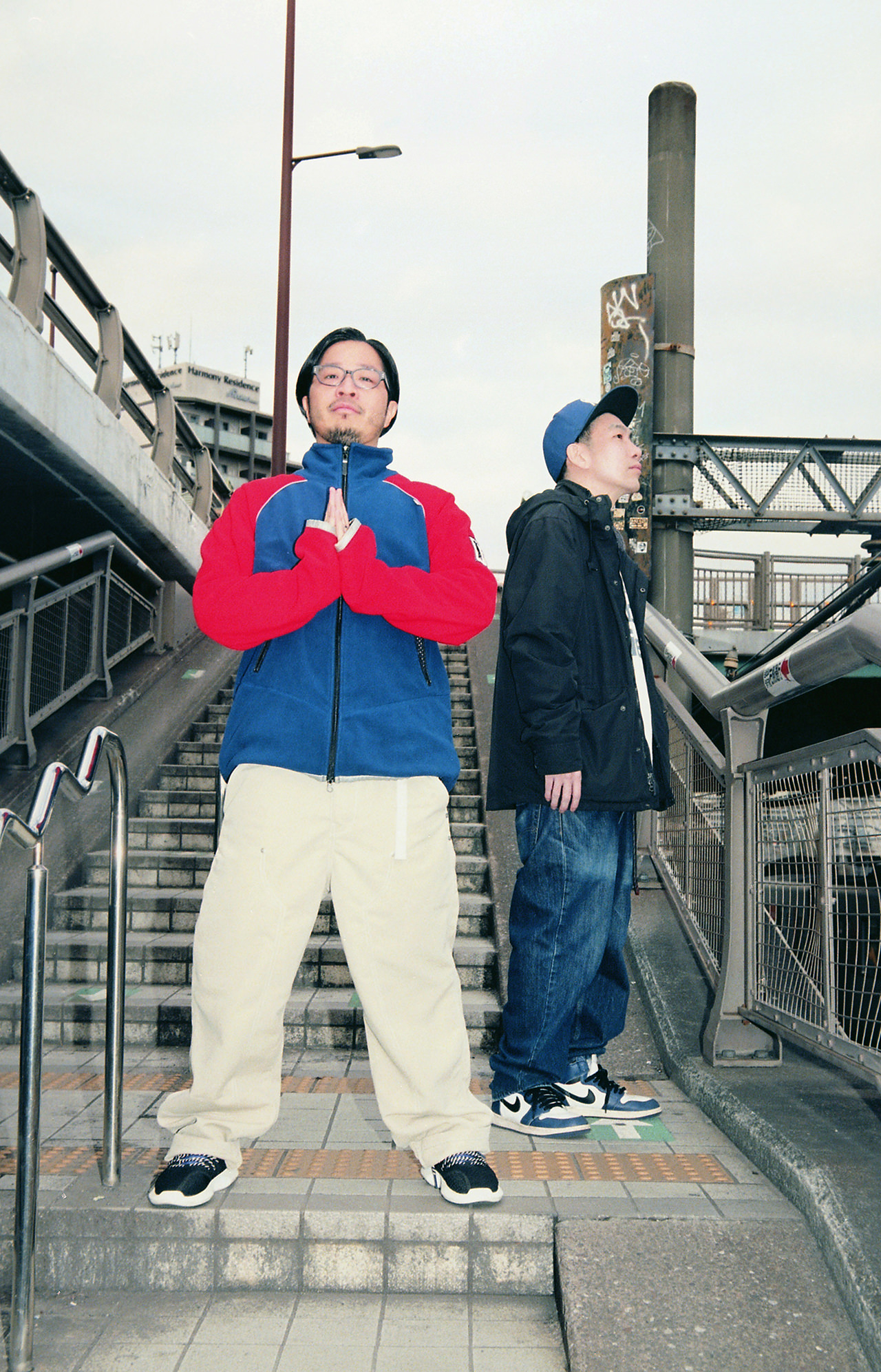
Harashima: "Hikarigaoka is also in Nerima, right? So the Tobu Tojo Line runs right on the border between Itabashi Ward and Nerima Ward."
PUNPEE: "The Tobu Tojo Line is definitely a big factor. Because of this line, people from Itabashi gather in Ikebukuro."
Harashima: "I've always tried to get as much of my errands done in Ikebukuro as possible, and I still do. In my mind, Ikebukuro is half Saitama, half Itabashi Ward, and has no Toshima Ward elements."
—Ikebukuro is technically in Toshima Ward (laughs).
PUNPEE: "The first part-time job I had in high school was at a karaoke bar on the west side of the station, and after playing at Fuji Rock with PSG in 2010, I was really broke around 2011 and tried to find a part-time job in Ikebukuro."
Harashima: "It's a part-time job at a call center, right? I was short on cash too, and I once called PUNPEE and asked him, 'How did you find that part-time job?'"
PUNPEE: "However, on my first day of work, the guys who seemed to be band members were talking about Fuji Rock. I felt so out of place there after having just played Fuji Rock, so I quit right away... (laughs)"
— Are there any bars in Ikebukuro that you frequent?
Harashima: "Actually, I was drinking there yesterday, and there's a bar called 'Zubora' near Sunshine City. I don't know if they're actually from Edo, but it's run like a family business and has a real Edo vibe. I like it because it's a great place to drink. PUNPEE, you went there with me once, right? When we went to 'Zubora,' we took pictures with the customers, didn't we?"
PUNPEE: "Yeah, I did."
Harashima: "Those people were there yesterday, and it seems they also came to PUNPEE's Seasons Greetings '26 live show the other day."
PUNPEE: "We went out for drinks quite a while ago. Harashima drinks a lot even while recording in the studio. Or rather, even before we start recording the rap."
Harashima: "I buy about 12 bottles and end up drinking almost all of them."
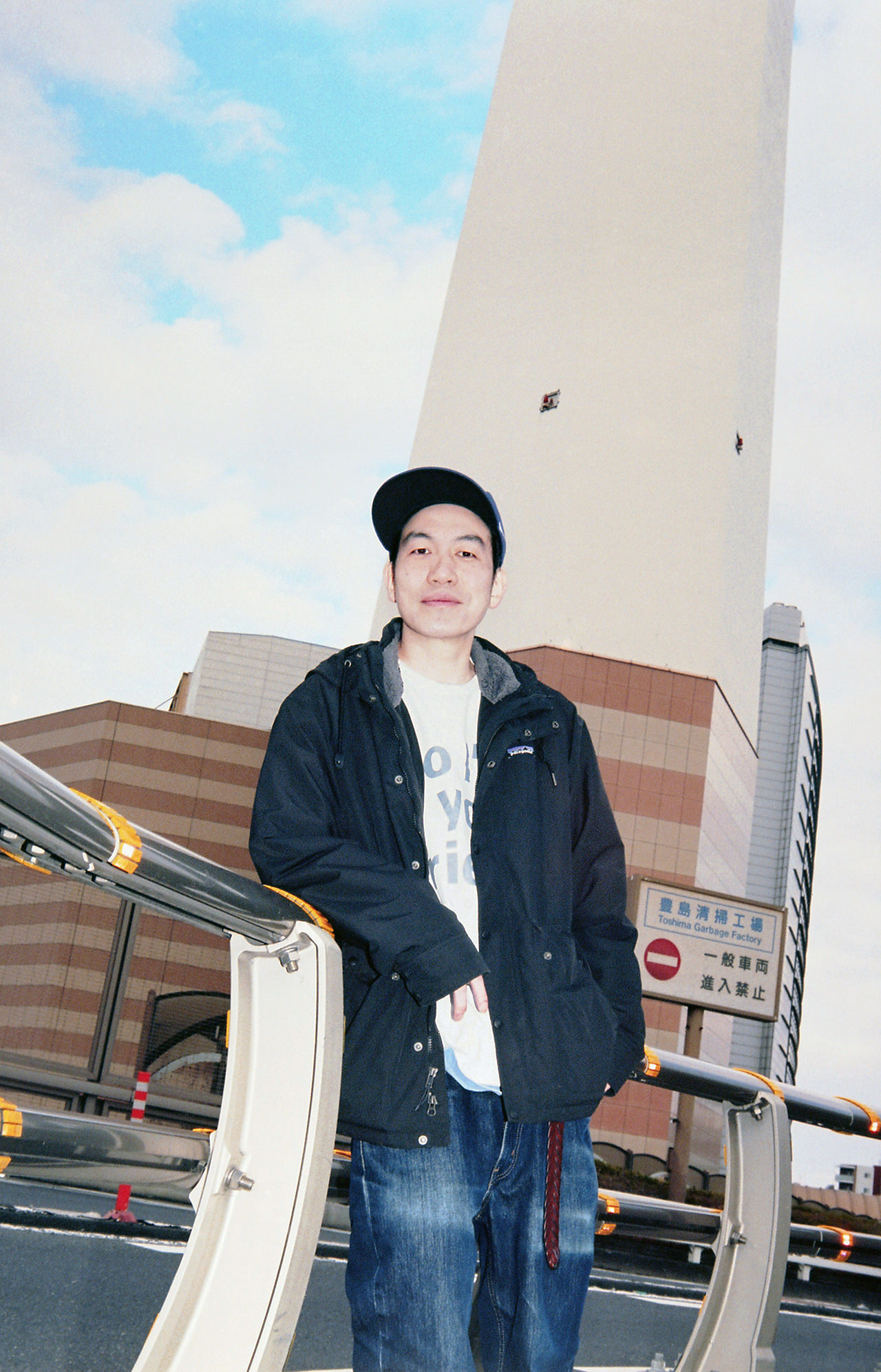
— Mr. Harashima, you've done quite a lot of DJ gigs in recent years. What are your key points when it comes to selecting music, and are there any recent gigs that have been particularly memorable for you?
Harashima: "If I have some free time, I can watch the previous DJ's set to see what kind of selections are popular today, and things like that. However, I'm often pressed for time, so I don't really plan the flow or selections in advance. I might have about five songs in mind that I want to play, but I might not actually play them, so I just go with the flow. It's not like I'm in a club or anything, but I had the opportunity to DJ at J-WAVE the other day. I wanted to play some new releases and make myself seem like I know a lot about music, so I frantically checked out a bunch of new releases."
PUNPEE: "Hahaha"
Harashima: "Those kinds of events are a valuable opportunity to check out new releases, so I'd be happy if we could do them once a year or once every six months."
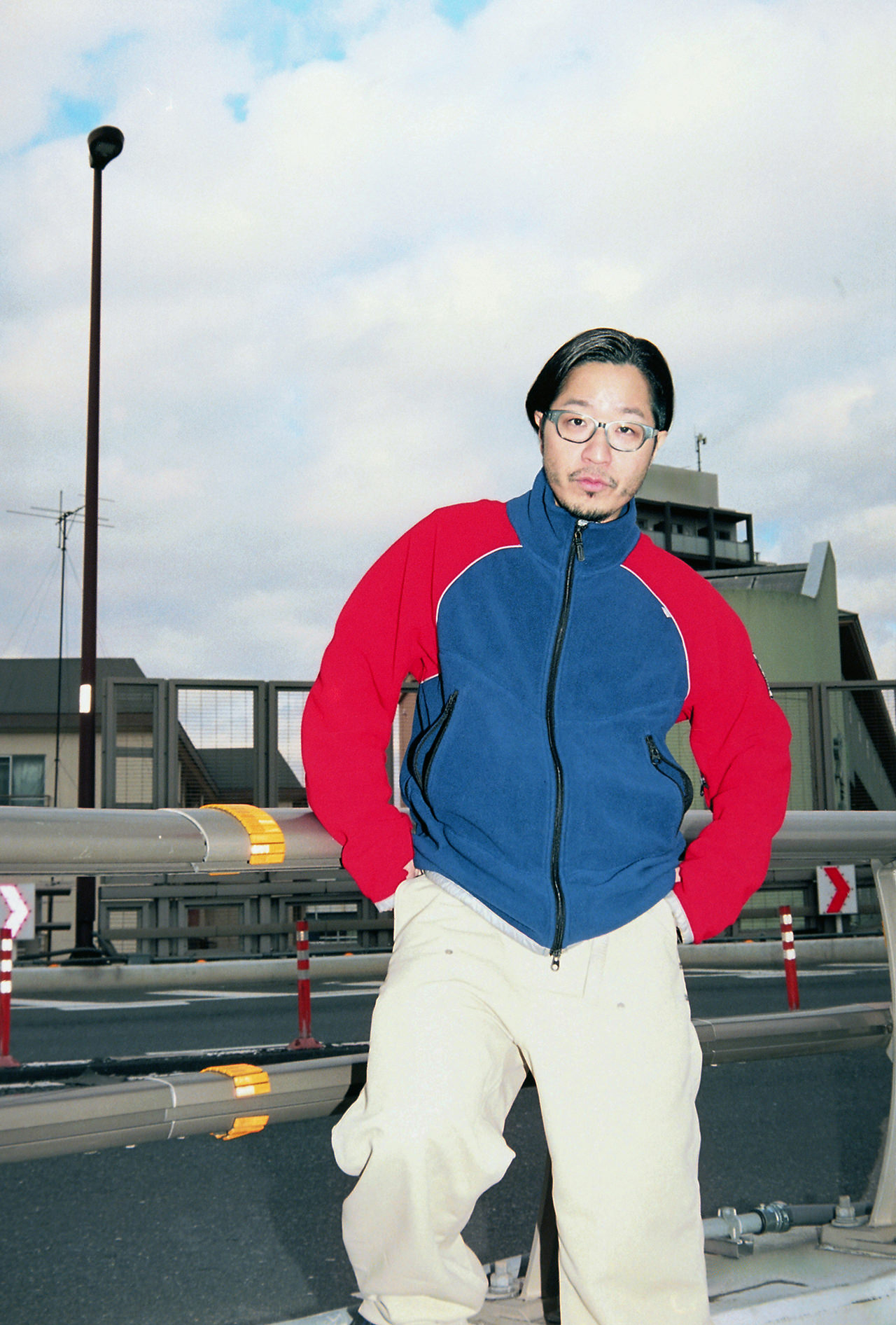
—What did you think of Seasons Greetings '26, which we just talked about at Tokyo Garden Theatre?
PUNPEE: "It's like that Kitamachi Kamijuku Park we were just talking about, but the stage set was a park. It felt like the Itabashi Brothers had just performed in a park, and that connection just happened to follow. We weren't aiming for anything, but it felt like that story was created on its own. We performed at a big venue like Tokyo Garden Theater, but it wasn't much different from usual."
Harashima: "In a good way, it was pretty much business as usual. There wasn't anything particularly complicated. However, I did notice that PUNPEE seemed a bit restless during rehearsals."
PUNPEE: "Well, I was pretty restless until the new song 'Mornin'26' was finished. After the new year, everyone was anticipating what to do next and working accordingly, so I had pretty much everything done about a week before the release."
Harashima: "There wasn't any frantic rushing around at odd times the day before or anything like that."
— How did you go about creating your first solo song in a while, "Mornin'26"?
PUNPEE: "I'm doing a solo show, so I thought I'd make a new song. In this day and age, we often get constrained and closed off by things like AI-driven decisions, algorithms, social media, and time-saving tips, right? So I thought I'd make the theme something like going to meet everyone without thinking about anything. Even normally, I get ideas just by drinking with Harashima-san, so I thought I'd make a song like that. I wanted to release it last year, but I didn't make it at all. However, the shooting date for the music video that fit the theme had already been set, so I ended up meeting the people who appeared in the music video even though I hadn't written the lyrics at all. I felt like the pen was moving forward as I met various people during the music video shoot. I took the hints I got from meeting people home and put them into shape, and I came up with lyrics that made me think, 'Isn't this what the atmosphere of 2026 will feel like?' So I changed the song title that I had originally given it. The first shoot was at Elle It was Teresa, but there were no lyrics at all, so she wasn't singing in that scene, they were just dancing to the beat (laughs). That's how we made it, so the song's BPM increased by about 3 in the middle, and we sped up a bit in a certain part of the rap so it wouldn't be noticeable."
— I was surprised that Hikohirohi-san appeared.
PUNPEE: "Hikohiro-san was the only one I met in person for the first time. She had followed me on Instagram, and I thought it would be interesting if we could do something together after the music video. So I reached out to her and she said yes. I already knew all the other cast members."
Harashima: "What's your connection to Kenji Ozawa?"
PUNPEE: "Initially, I think my younger brother came to one of my solo shows at Akasaka BLITZ, and from there we started keeping in touch more often. We even went to a local fireworks festival together, in a car driven by my dad."
Harashima: "GAPPER and Musashino called me out, but I didn't know why they called me out."
PUNPEE: "Seriously? (laughs)"
Harashima: "They asked me, 'Musashino, please come,' and I said, 'It's nearby, so I'll go,' but at first I thought they were filming an introductory video for my solo live show, but then I found out it was a music video for a new song. I was like, 'Wow, really? You've got a new song.' GAPPER was surprised too (laughs)."
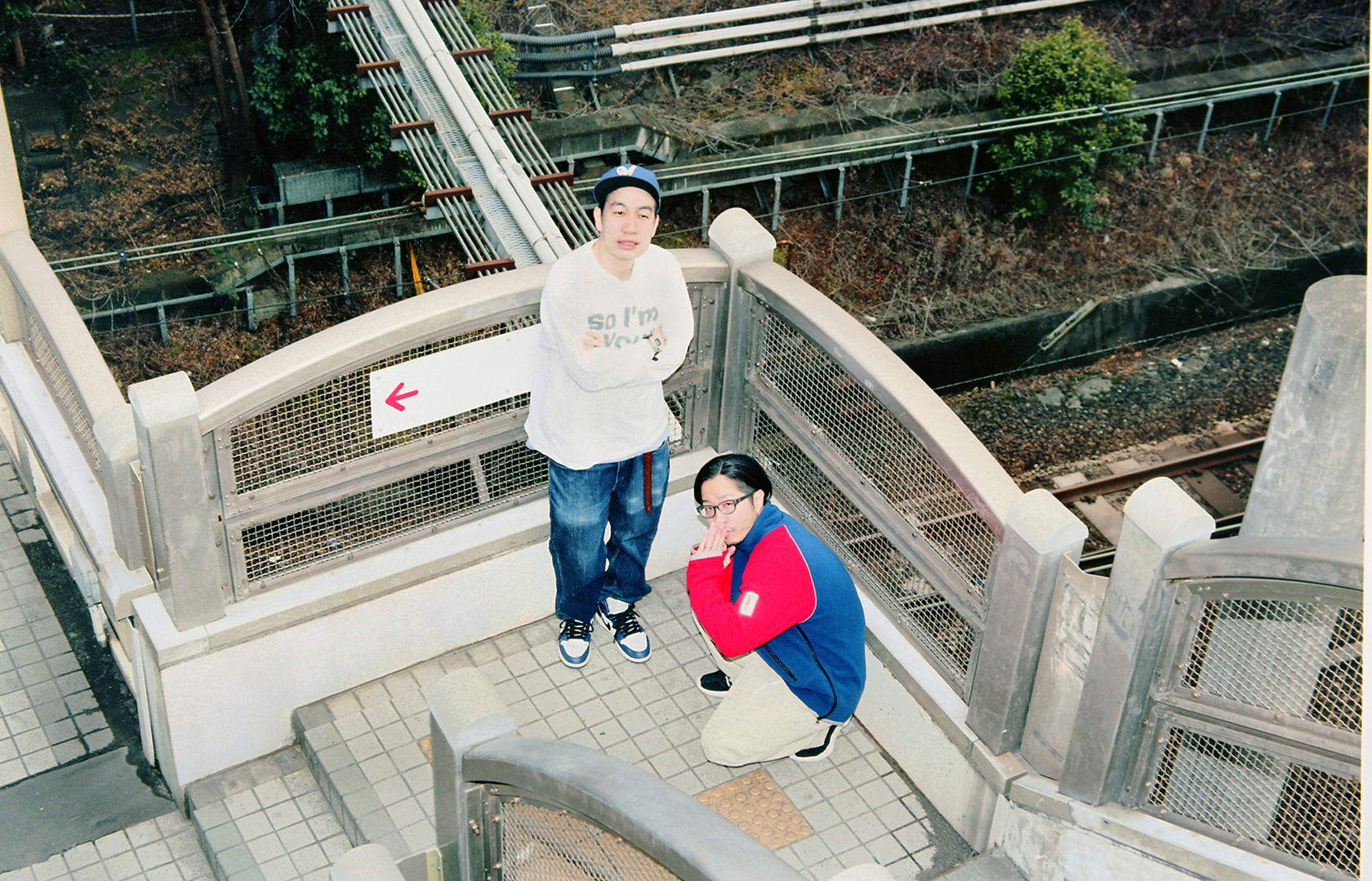
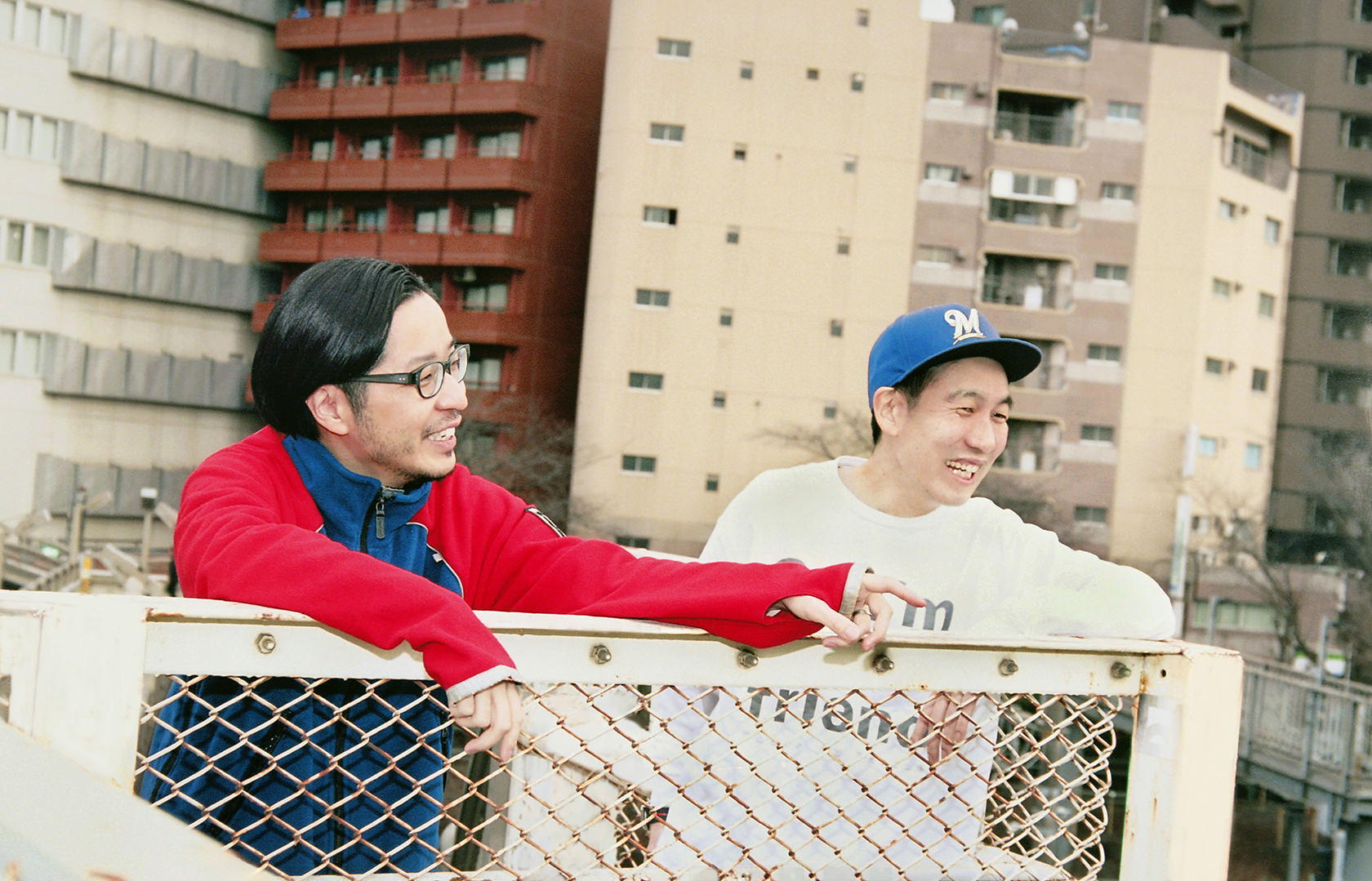
PUNPEE
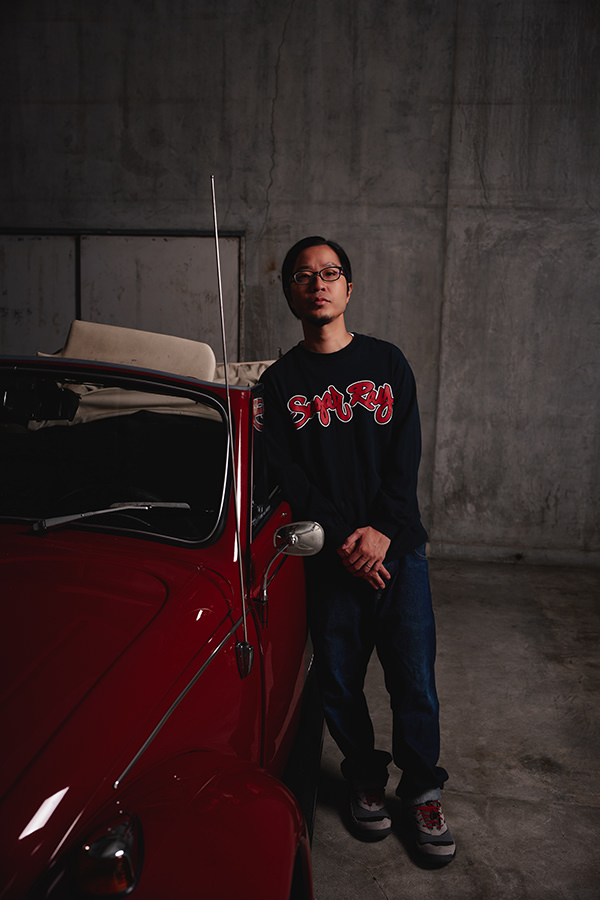
Born in Itabashi Ward, Tokyo. In 2007, he formed PSG with his younger brother 5lack and GAPPER, with whom he had been close since high school. They released their first album, "David," and performed at FUJI ROCK FESTIVAL, among others. Subsequently, he released solo albums such as "MODERN TIMES," "The Sofakingdom," and "Return of The Sofakingdom." He has left behind many works, including a Red Bull TV commercial, the opening theme for the TBS program "Wednesday's Downtown," a remix of Utada Hikaru's "Hikari -Ray of Hope MIX-," and the theme song "Time Machine ni Notte/Kazoku no Fukei" for the Sotetsu-Tokyu direct line commemorative movie. At FUJI ROCK FESTIVAL '22, he became the first Japanese HIPHOP artist to perform on the "GREEN STAGE." In January 2026, he released his solo single "Mornin'26." In February, he held a solo live concert, "Seasons Greetings'26," at Tokyo Garden Theater. But the important thing is what comes next. P
Instagram (@punpee_)
Harashima "Right in the Middle" Hiroshi
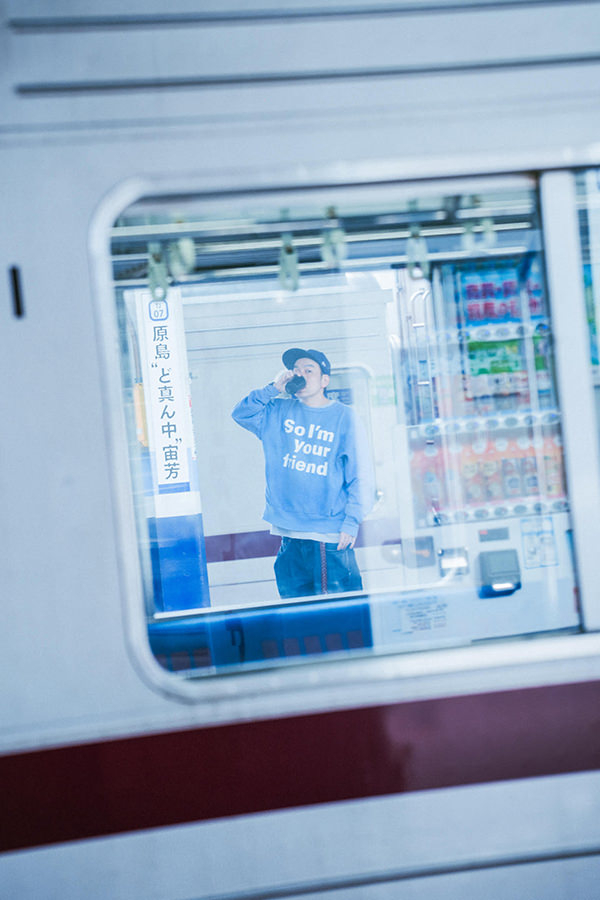
Born in Tokyo during the Showa era, a B-boy. Playful yet insidious, he prioritizes having fun. A scoundrel in every sense of the word. In 2022, his group Chaos On Parade celebrated its 20th anniversary and released their 1st single from SUMMIT. In the spring of 2026, he plans to release his 20th anniversary official mix CD from OILWORKS.
Instagram (@michiyoshit)