SCROLL

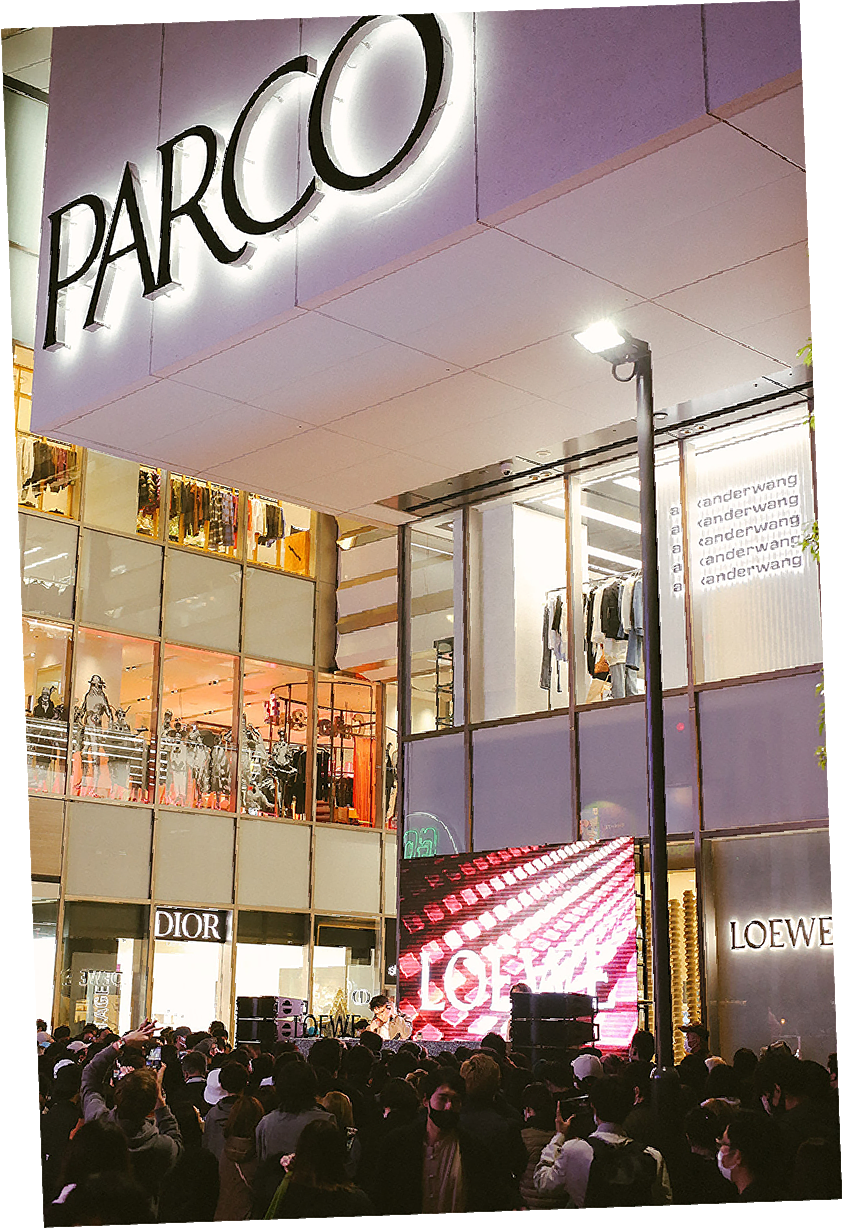
Shibuya is a city that has developed with diverse faces, from the bustling activity in front of the station that sprouted from the post-war black market, to the spread of restaurants and bars in areas like "Nonbei Yokocho," "Shibuya Hyakken-dana," and "Maruyama-cho," to the area extending from Miyamasuzaka to Aoyama, Roppongi, and Hiroo, which has a large number of foreign residents and an international atmosphere.
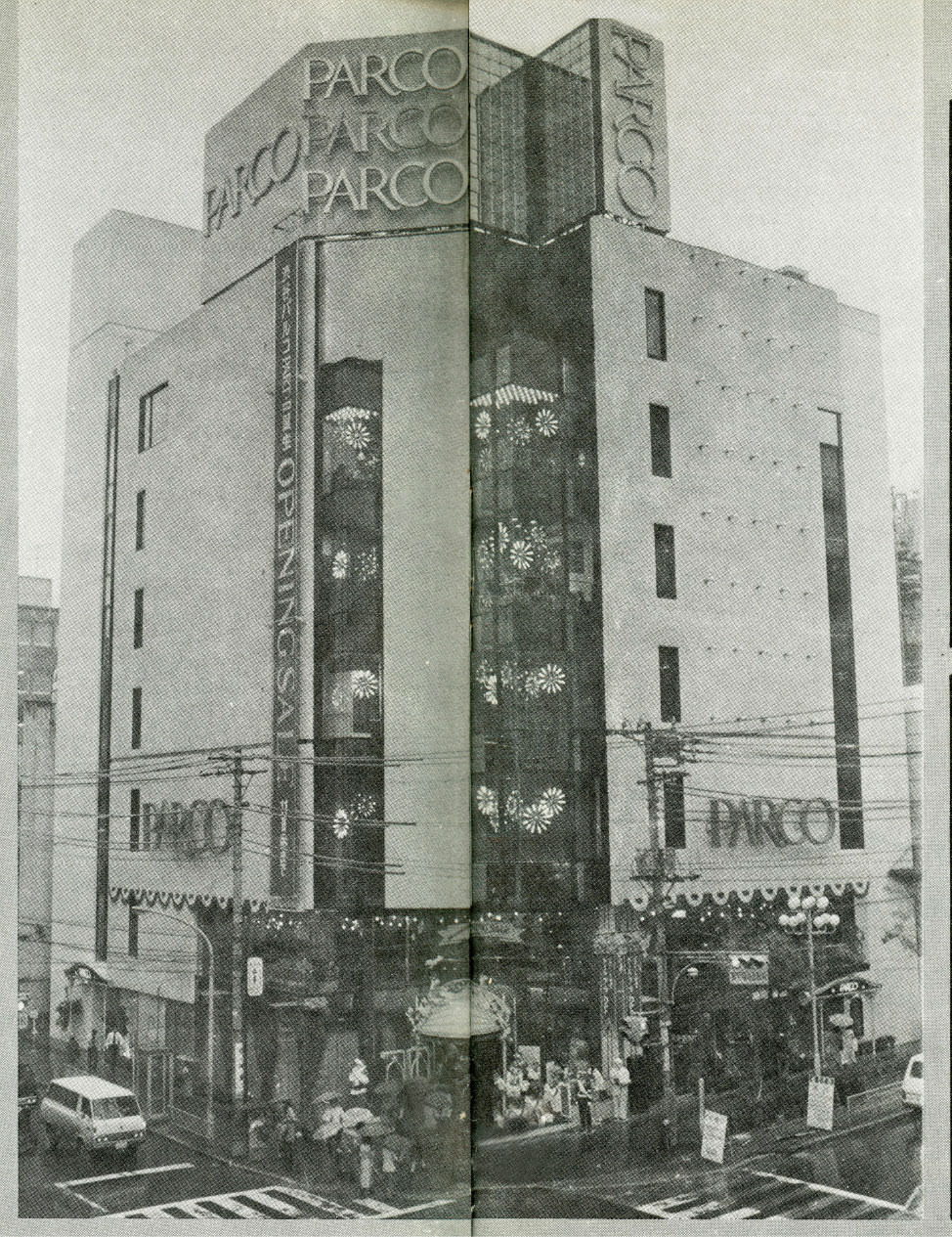
The opening of Shibuya PARCO marked the beginning of the "theatrical transformation of Shibuya," as individual points connected to a broader area. This included the establishment of "Kuyakusho-dori," a street leading to Yoyogi Park, which became "Koen-dori," a small theater that has become a hub of subculture, "Shibuya Gian Gian," a side street off Center Gai which became Spanish Hill, and Organ Hill, the slope where Tokyu Hands is located.
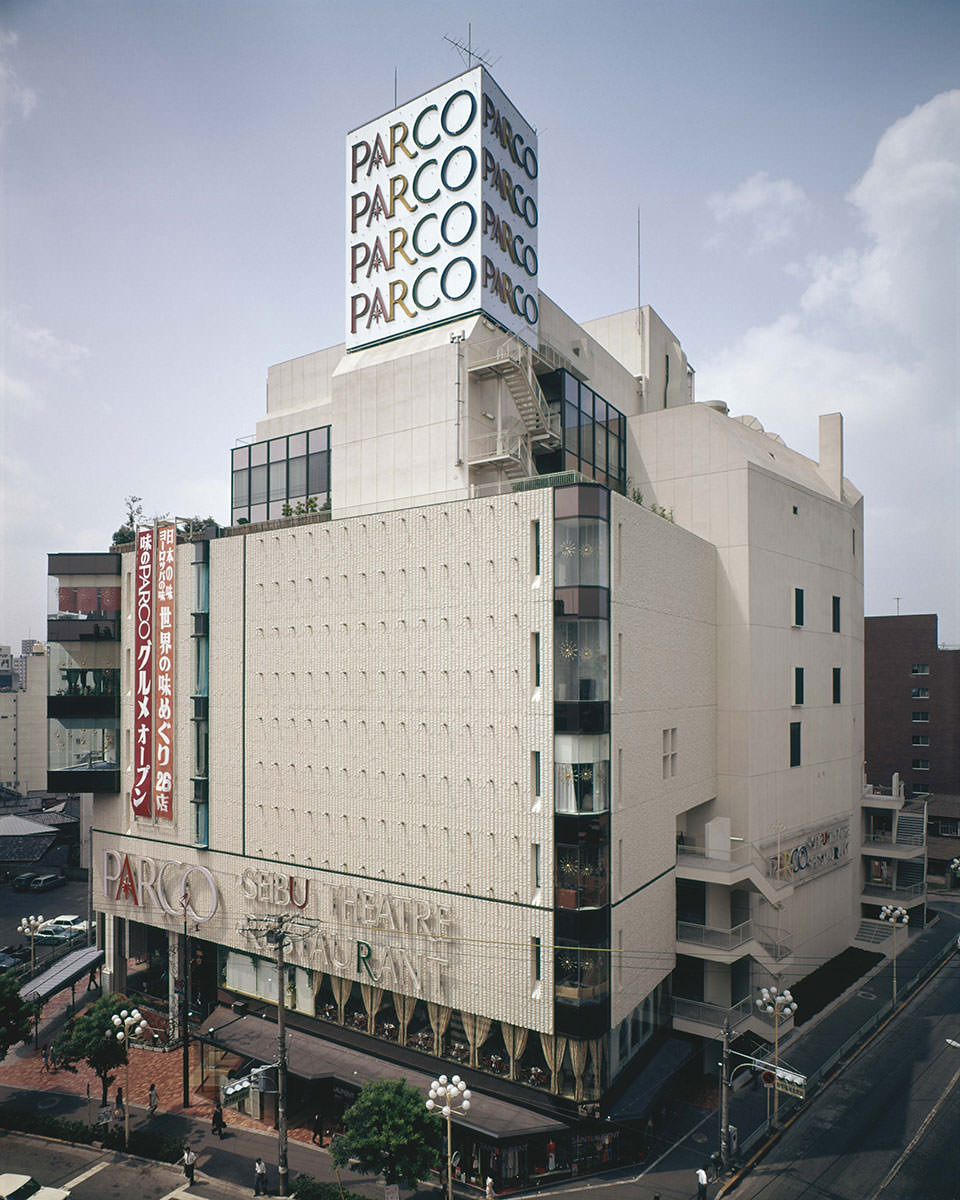
As the political and economic situation stabilized and people's lives became more affluent, the desire for "ordinary things" shifted to an era of consumer differentiation, where people wanted "things that are different from others." Fashion, in particular, became a symbol of individual consumption and became widespread. Numerous Japanese designer brands emerged, and the trend expanded beyond clothing to include cars, food, furniture, housing, and lifestyles.
Shibuya PARCO also proposed fashion and lifestyle products targeting all demographics, from adults to children, regardless of gender.
The late 1980s and 1990s saw the emergence of numerous independent creators in the fields of culture, including music, photography, art, and film. Responding to this environment, Shibuya PARCO opened the live music venue Shibuya Club Quattro in 1988 and the independent cinema Cine Quint in 1999. Photography exhibitions, art shows, and books at the PARCO Gallery were also highly successful. Shibuya became a multi-layered hub for disseminating information on youth fashion and culture.
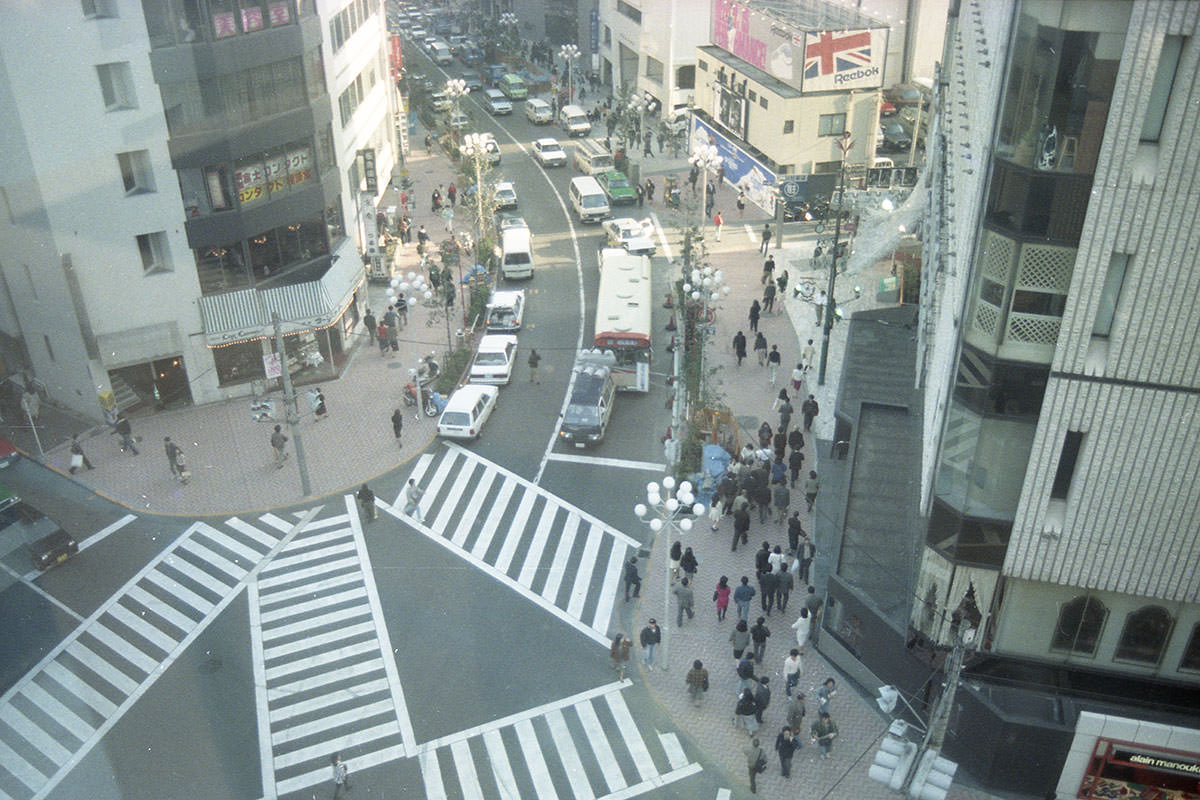
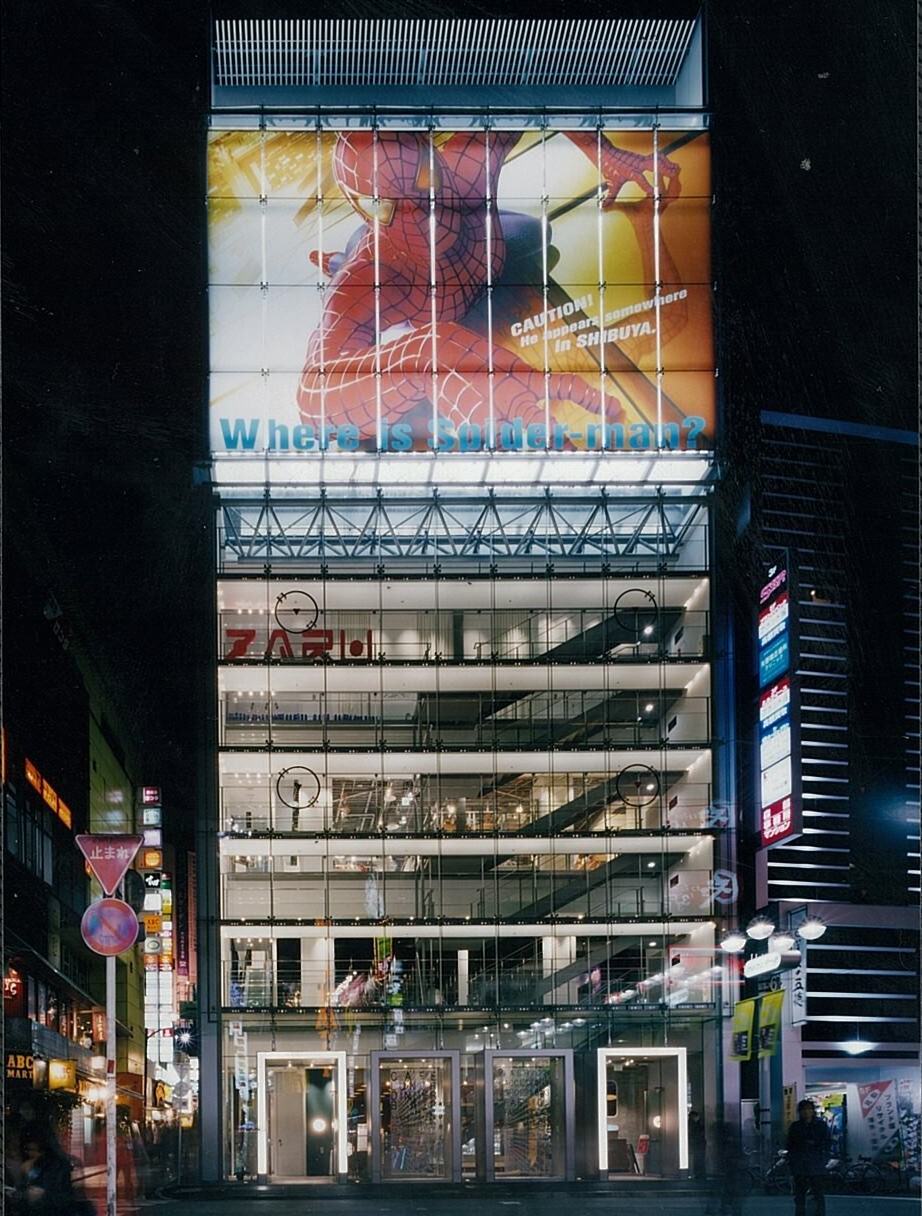
Around the year 2000, Shibuya was buzzing with excitement over the "Bit Valley concept." The rapid increase in young entrepreneurs proposing new business models led to a sudden generational shift in the city, transforming it into an innovative atmosphere. In 2003, Shibuya PARCO celebrated its 30th anniversary, undergoing a major overhaul of both its hardware and software to target the new generation of young people. In the spring of 2002, Shibuya ZERO GATE opened. In this era when the boundaries between "red-letter" and "blue-letter" women's magazines were blurring, it undertook experimental initiatives that mixed diverse cultures.
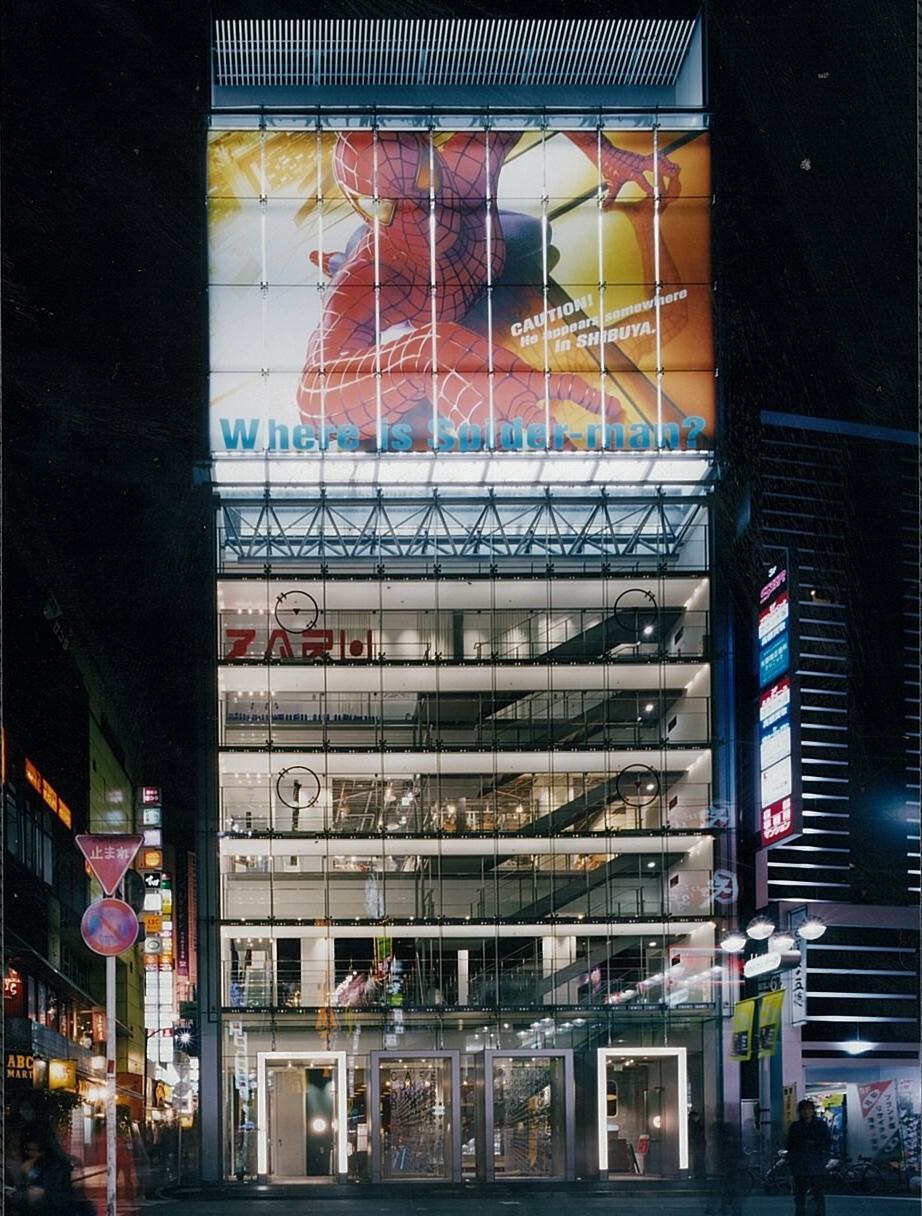
In this era of accelerated proliferation of digital devices such as smartphones and the accompanying social media, the timeline of information senders and receivers, and trends, has evolved to be seamless and flat. Communication styles have also become visually oriented, shifting to a network-based model that transcends physical space and location, where diverse values are positively connected through "likes" at touchpoints.
This major shift in values began with young designers and creators active mainly in Shibuya, Tokyo—the "New Age." Shibuya PARCO, with its chaotic new concepts such as "Shibukaru Festival," "Zetsumei Exhibition," and "Shibu Pop Floor," began to attract attention from overseas as well.
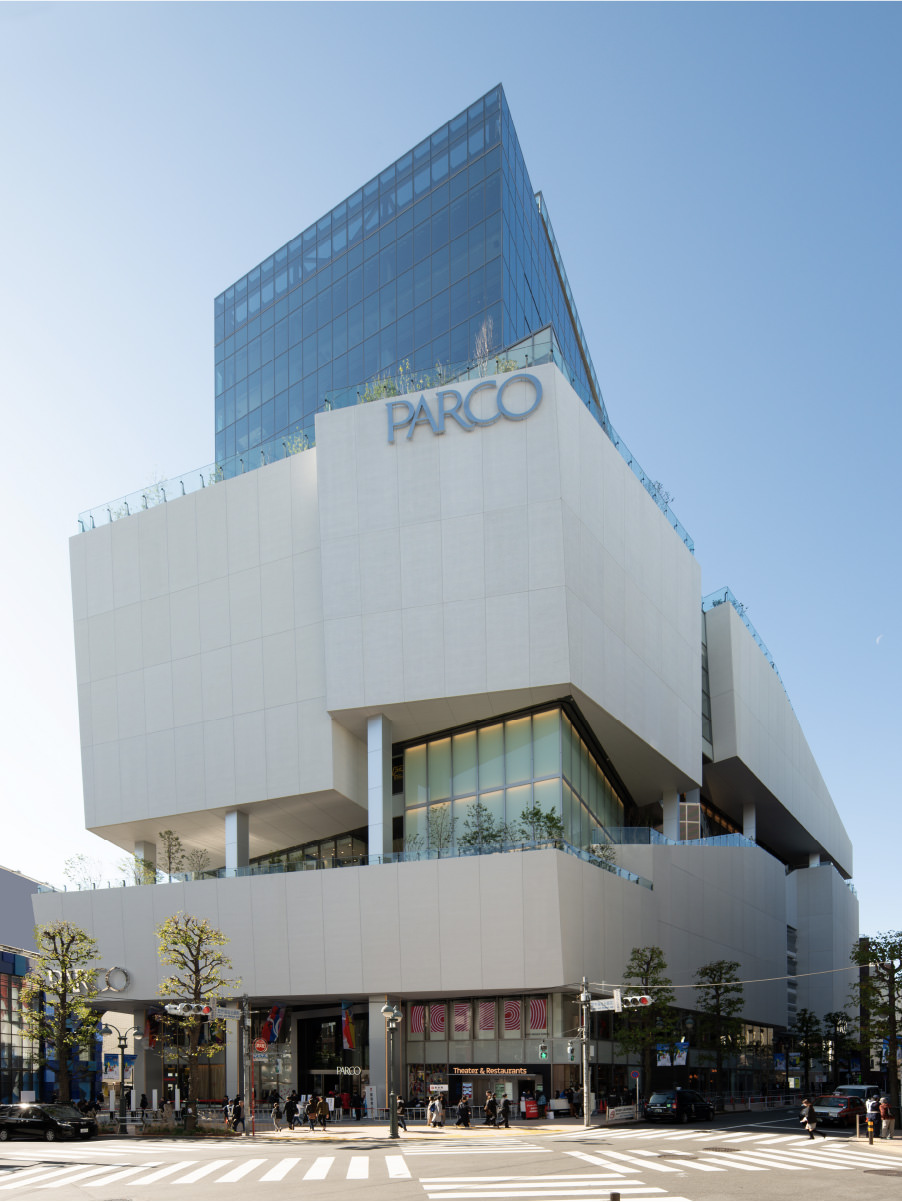
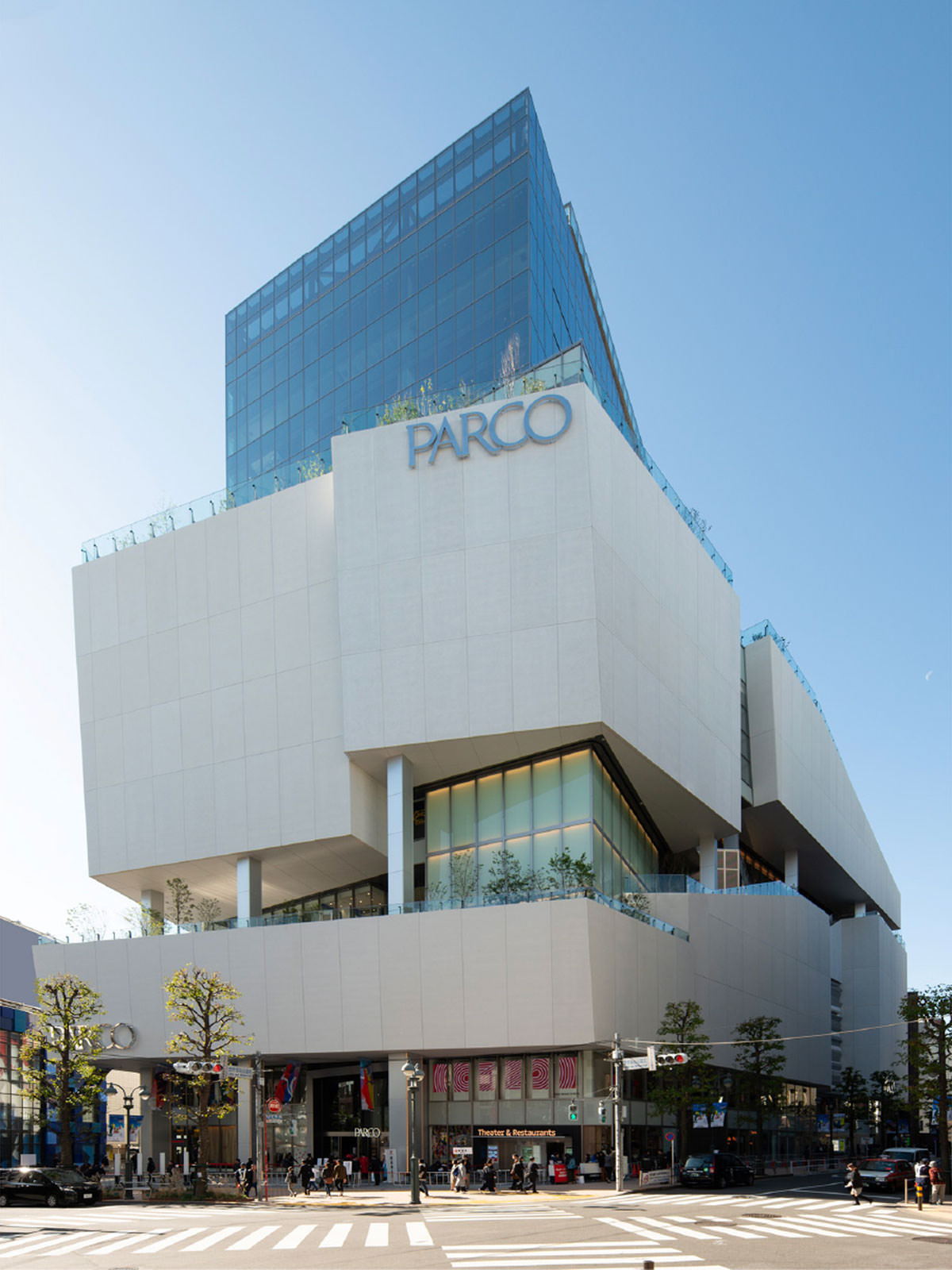
Shibuya, Tokyo, continues to undergo large-scale redevelopment. In November 2019, the newly renovated Shibuya PARCO opened. The keywords are FASHION, ART&CULTURE, ENTERTAINMENT, FOODS, TECHNOLOGY, and SUSTAINABLE. It has become a unique showcase of "TOKYO FASHION" where fashion and culture merge.
In April 2020, a state of emergency was declared due to COVID-19. With people spending more time at home, Tokyo's local areas and communities, the relationship between the individual and society/the city, and technologies like VR and AI, a new term of resilience for "TOKYO FASHION & CULTURE" has begun, together with a new generation of creators and "Japanologists" from both Japan and abroad.
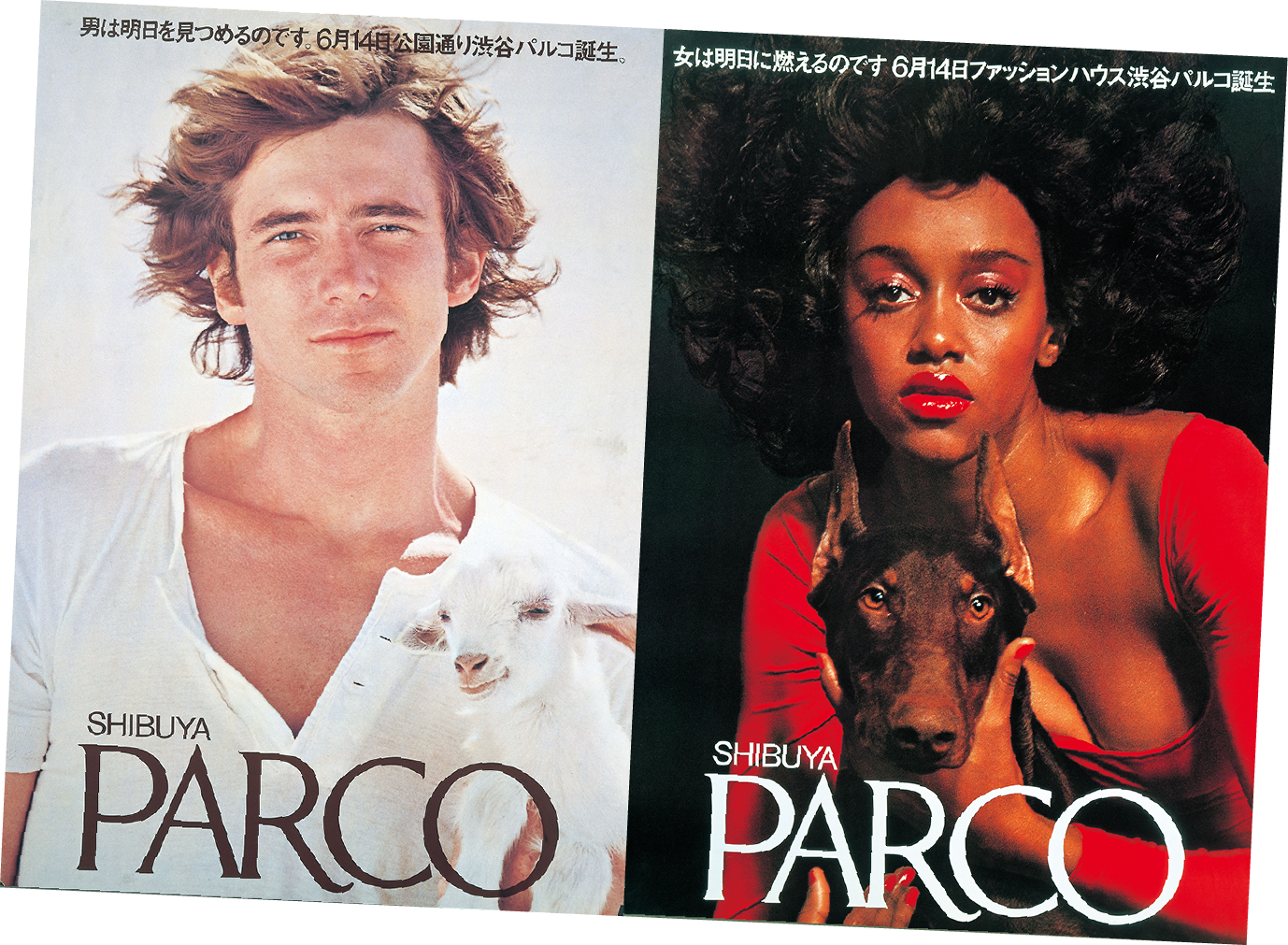
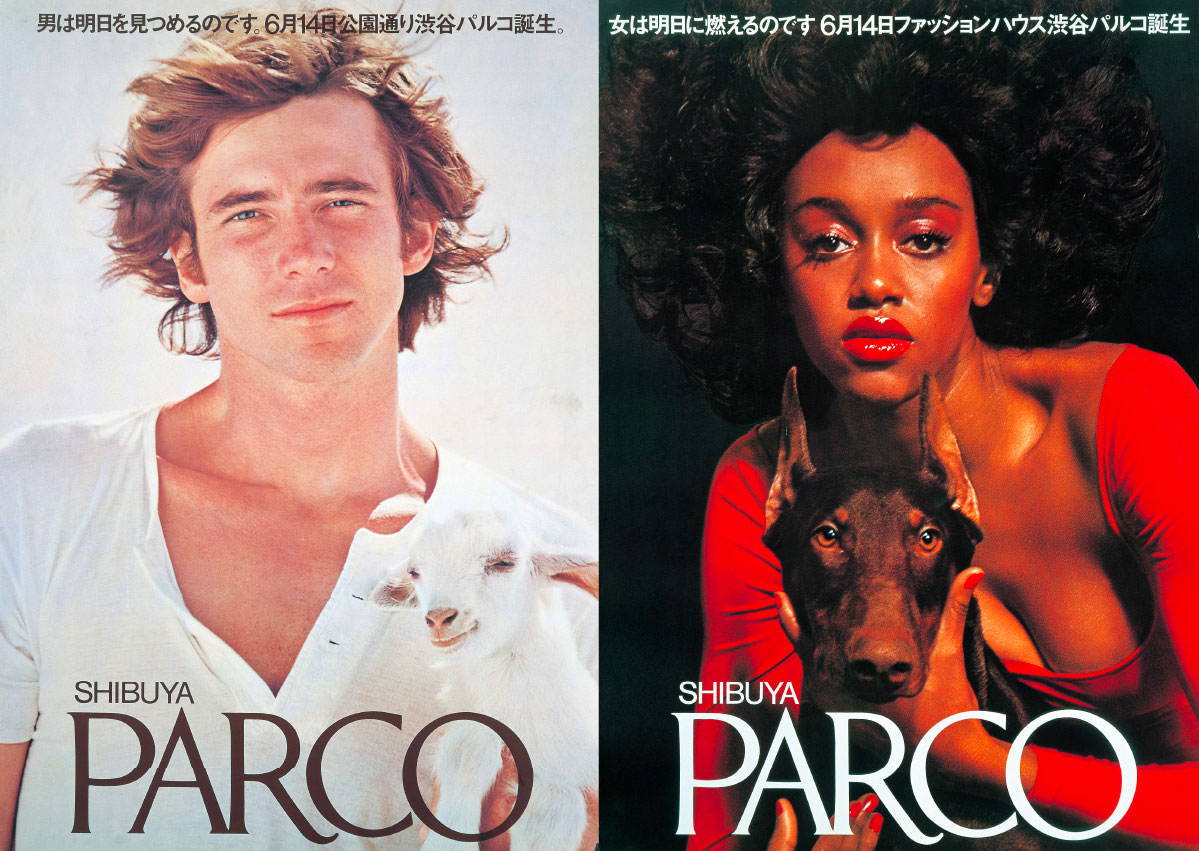
The advertisement for the opening of Shibuya PARCO, created by art director Eiko Ishioka, contrasted a strong woman in a passionate red dress with a gentle man in a simple white shirt, capturing the changing societal norms and values surrounding gender roles.
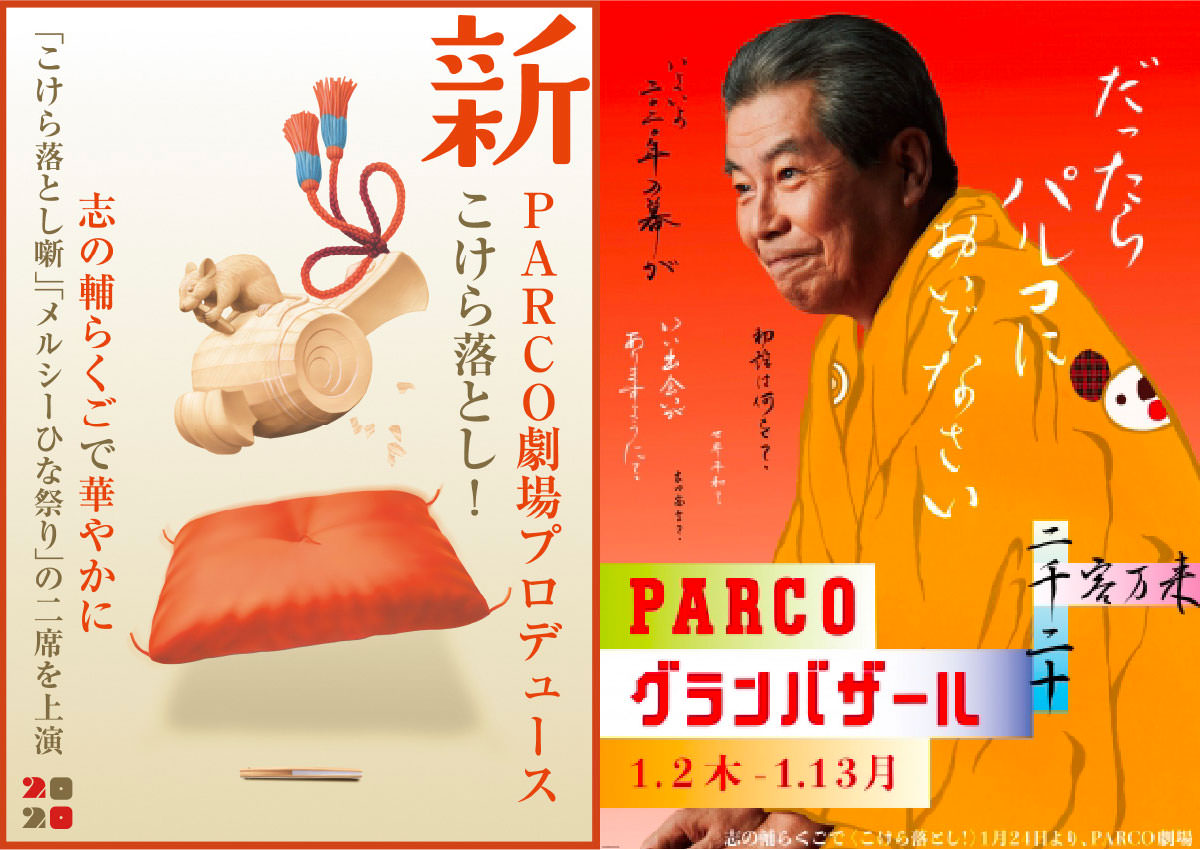
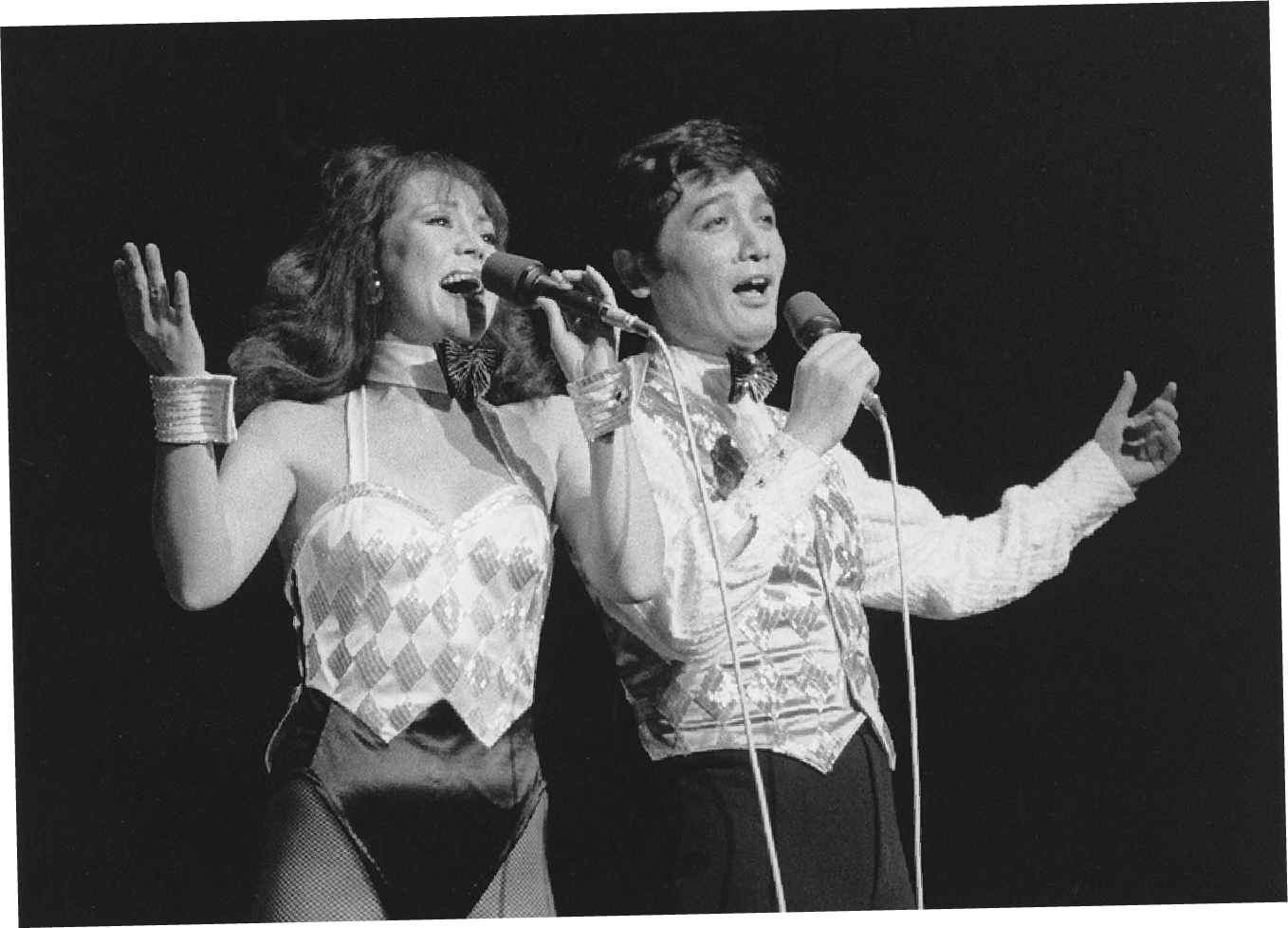
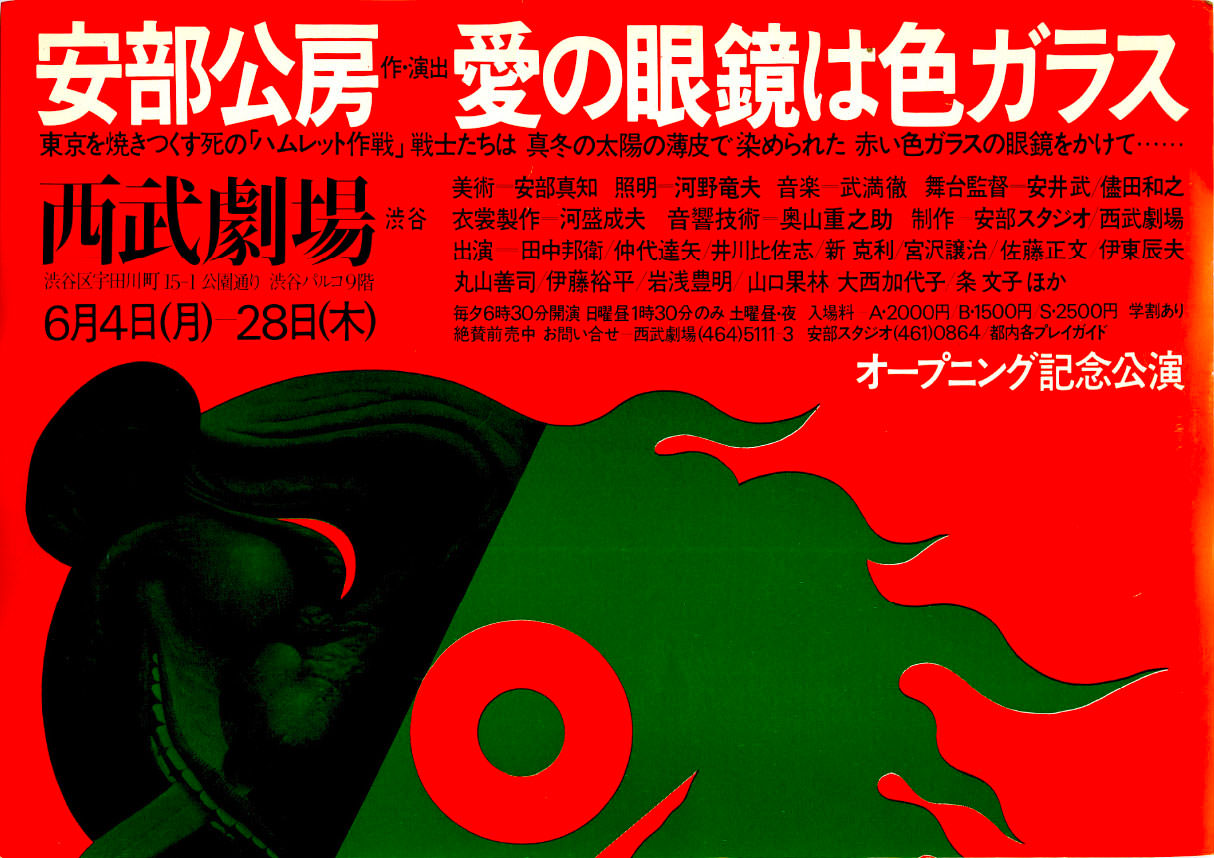
Seibu Theater (now PARCO Theater) was established as a core facility in Shibuya's efforts to create a new cultural sphere in Shibuya. PARCO produced and presented stimulating works by rising stage talents.
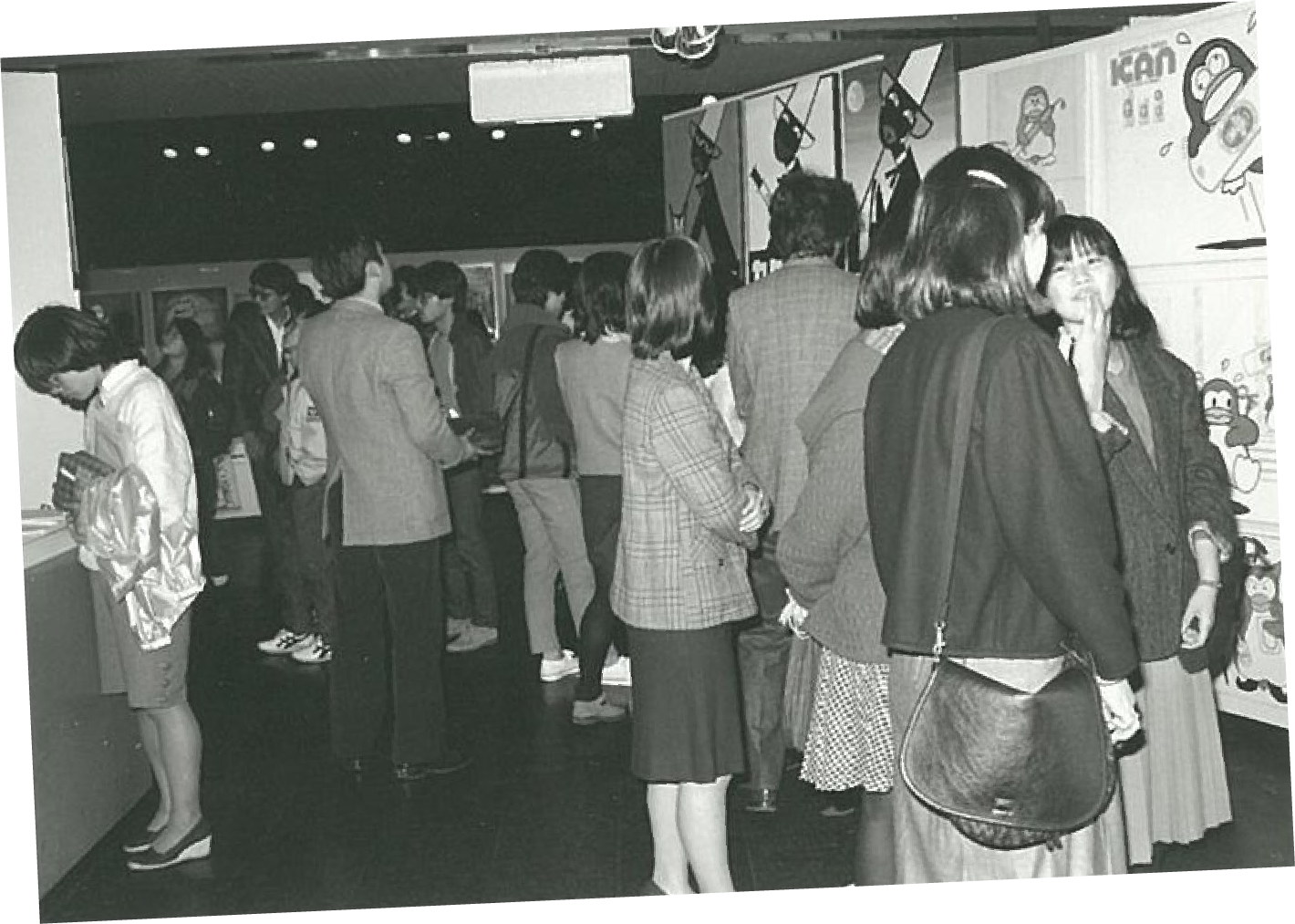
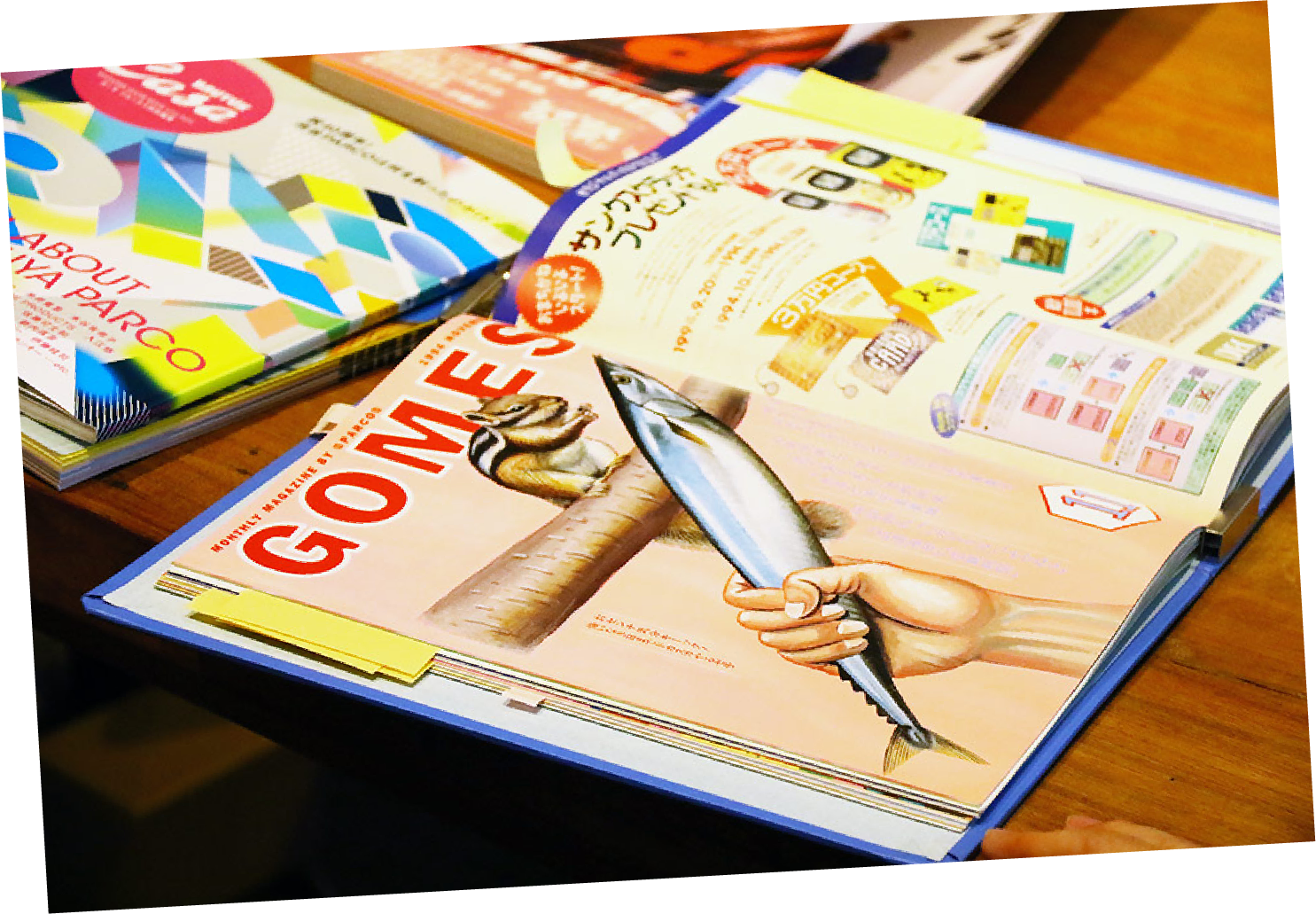
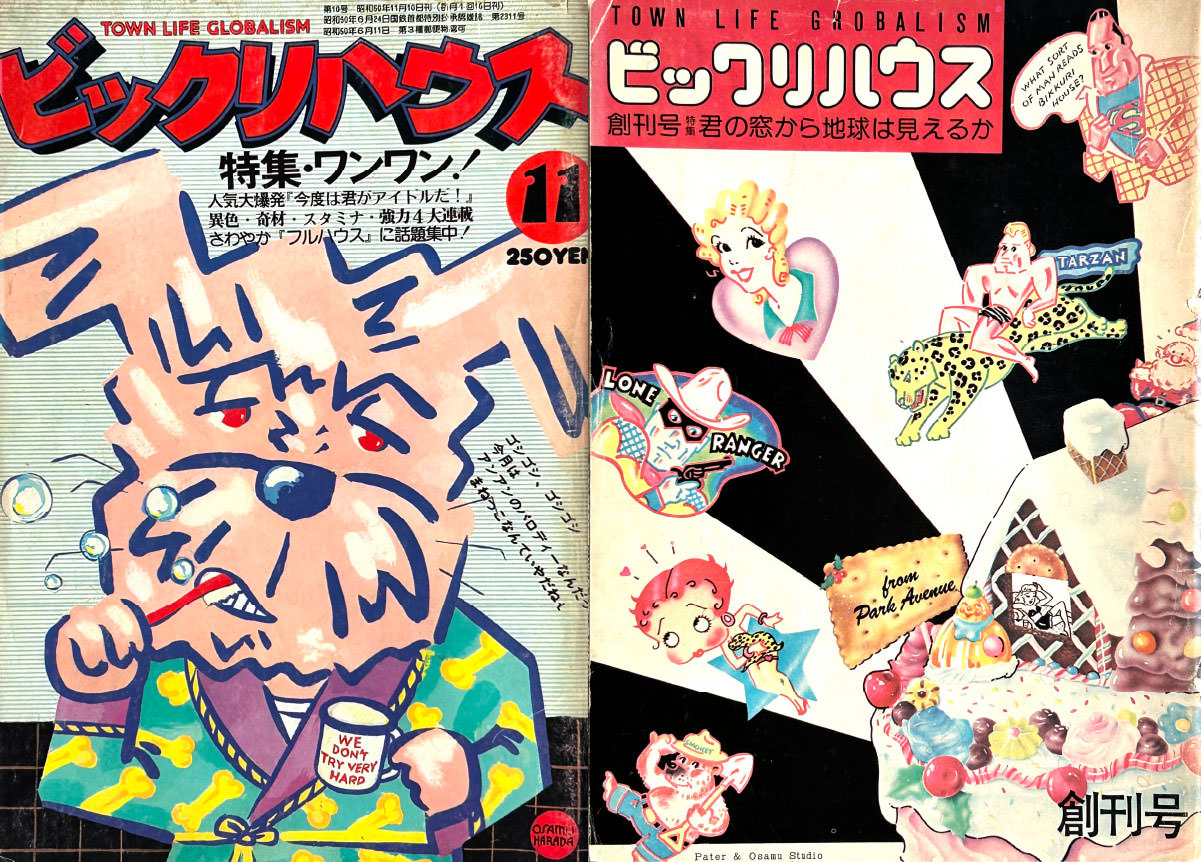
Starting as a local town magazine, "Bikkuri House" grew into a culture magazine thanks to its reader-participation approach to magazine creation. The "Japan Parody Exhibition" (pictured), a popular exhibition at the time that judged parody works submitted by the general public, also originated from a popular feature in the magazine.
This slope descends from behind Shibuya PARCO Part 1 to Inokashira Street. It was named "Spanish Slope" in 1974 when Shibuya PARCO held an "Italian Fair," based on the idea that "if there's an Italian fair, why not a Spanish one?"
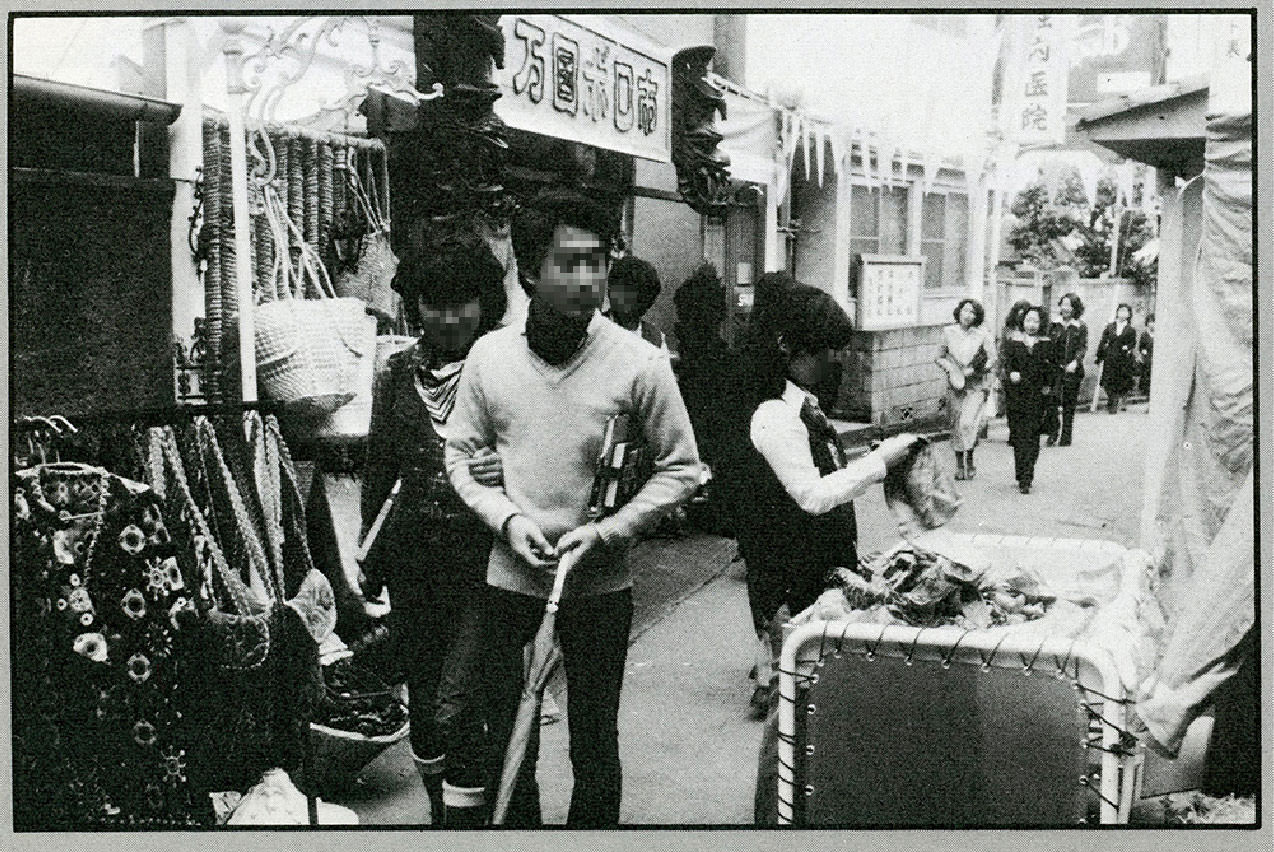
As fashion became increasingly fragmented, a dedicated floor for DC brands was created as a way to approach niche and distinctive fashion. During sales, many men lined up, indicating a growing awareness of men's fashion.
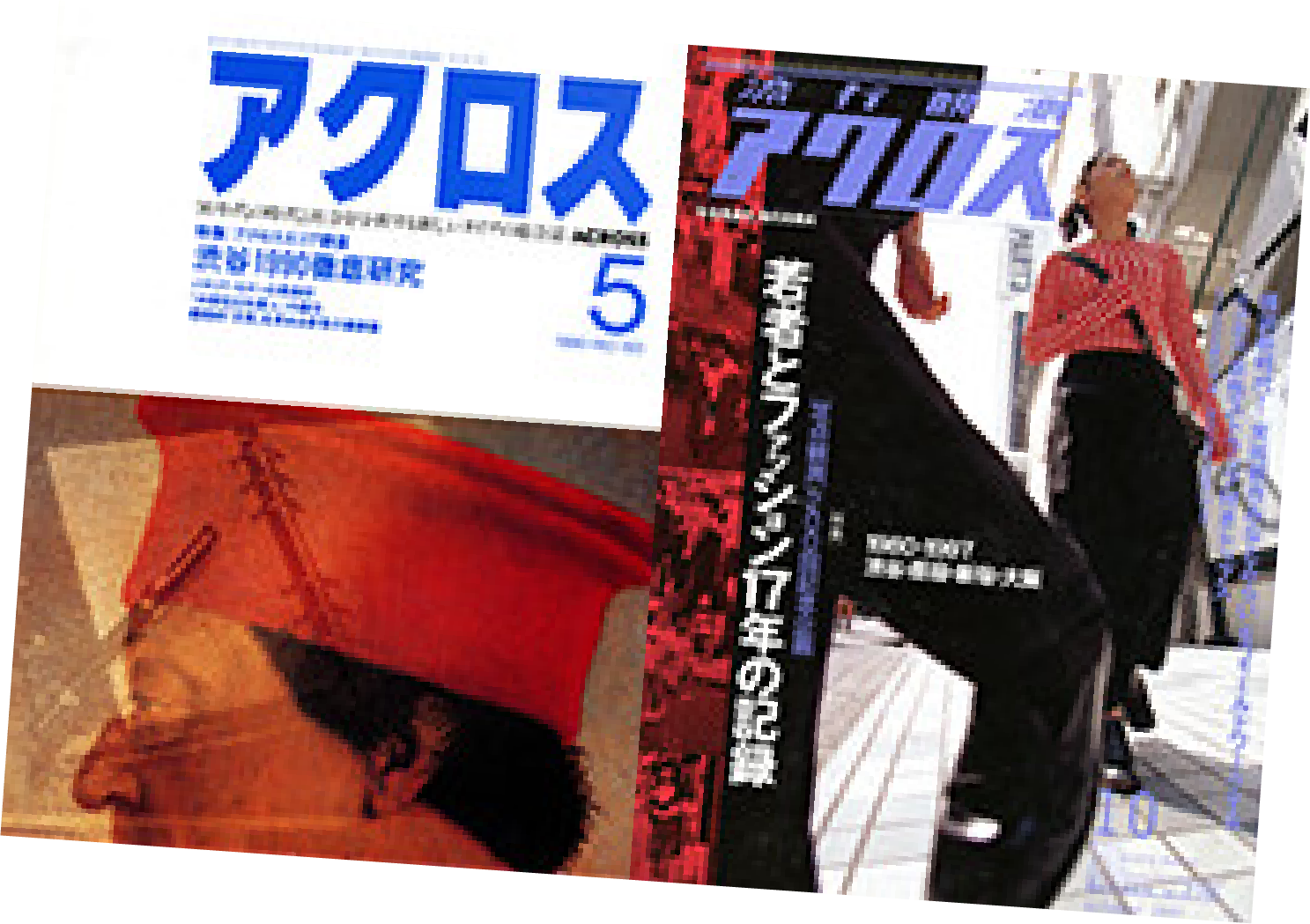
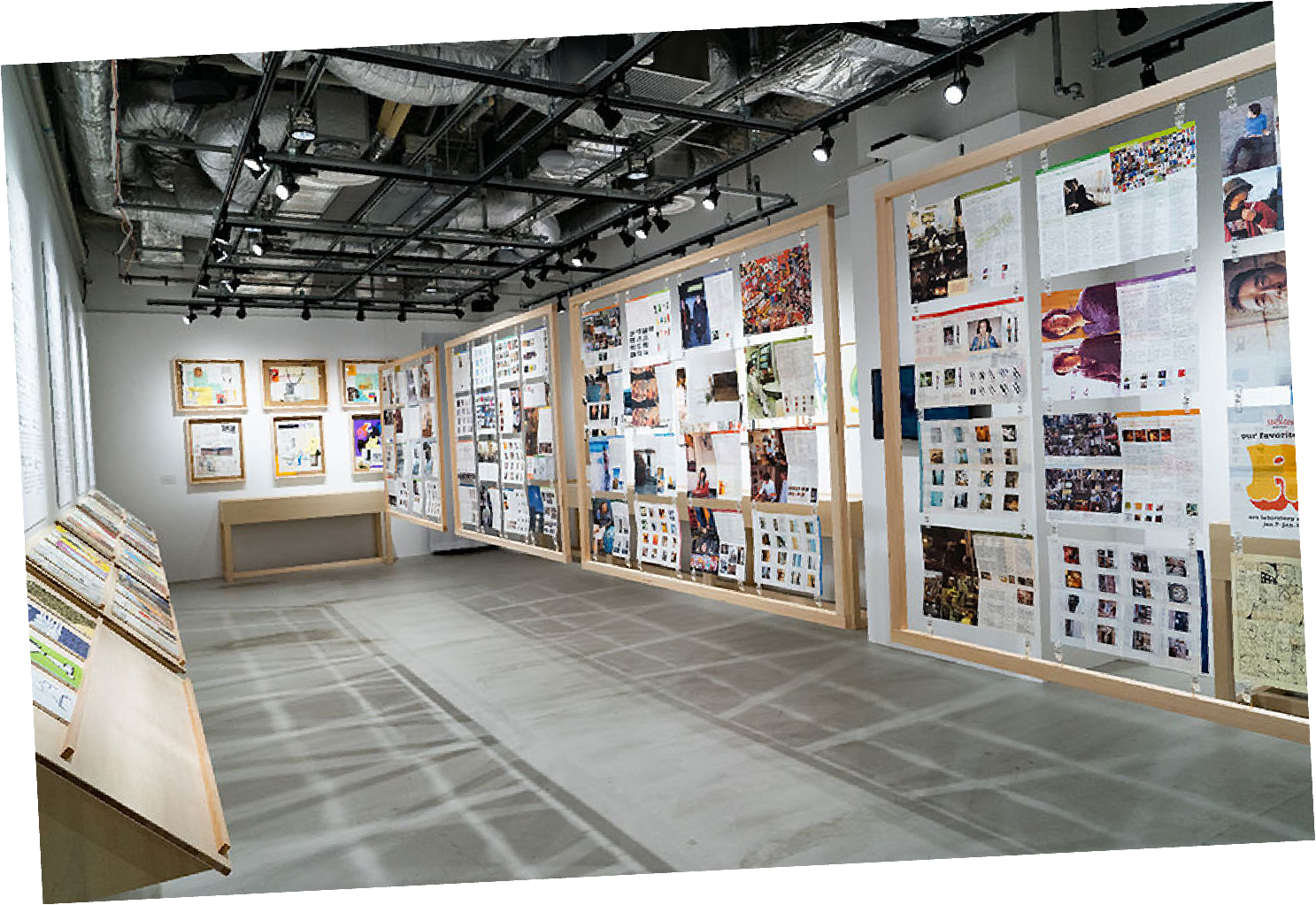
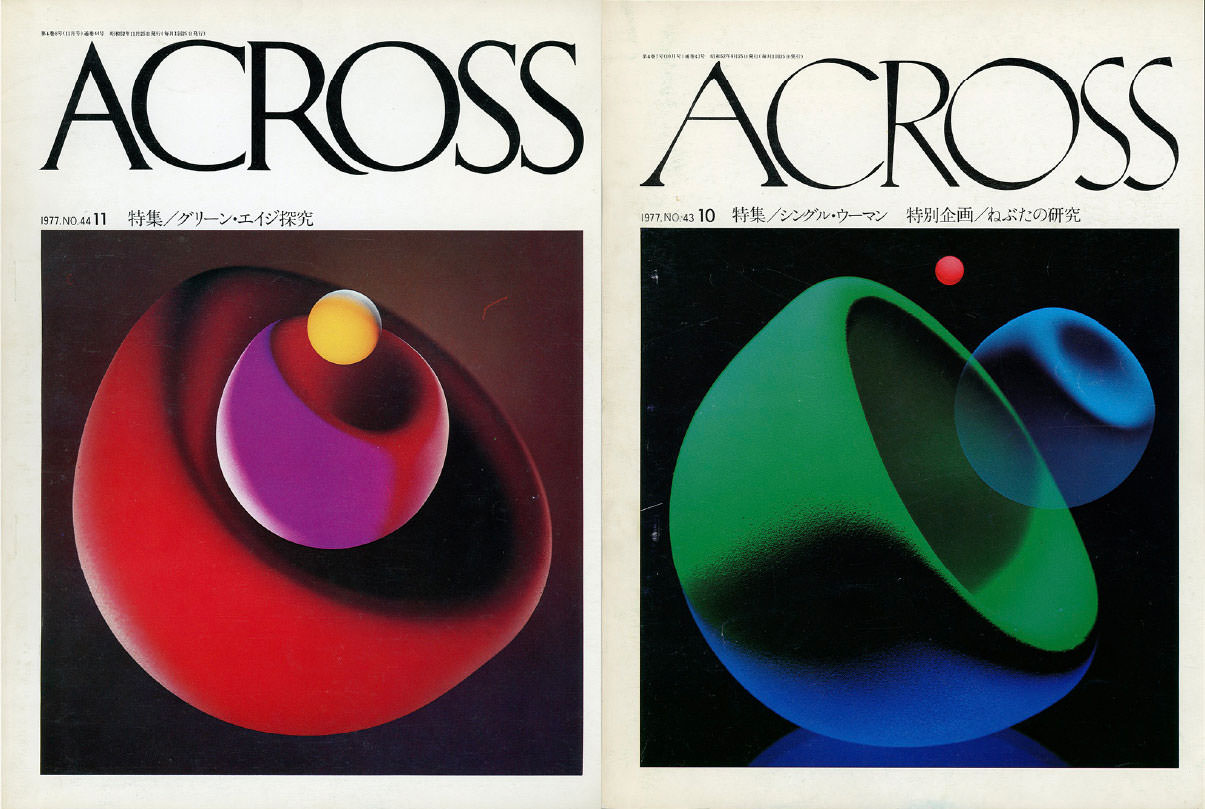
A marketing booklet by PARCO's fashion and culture think tank organization ACROSS. It started with the 'PARCO Report' for tenant owners (1974), followed by 'Trend Observation Cross' in 1993, and the web magazine 'ACROSS' in 2000.
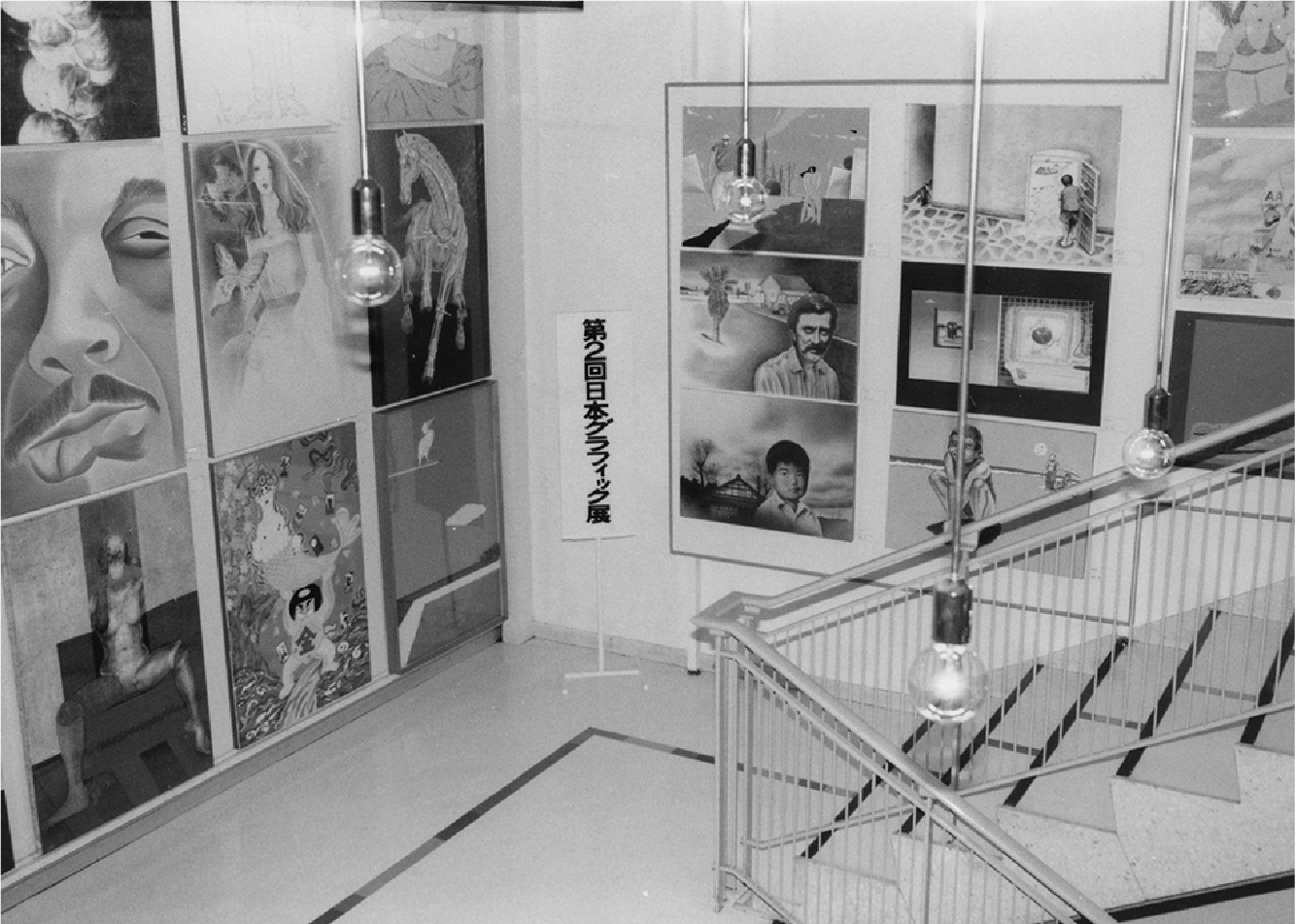
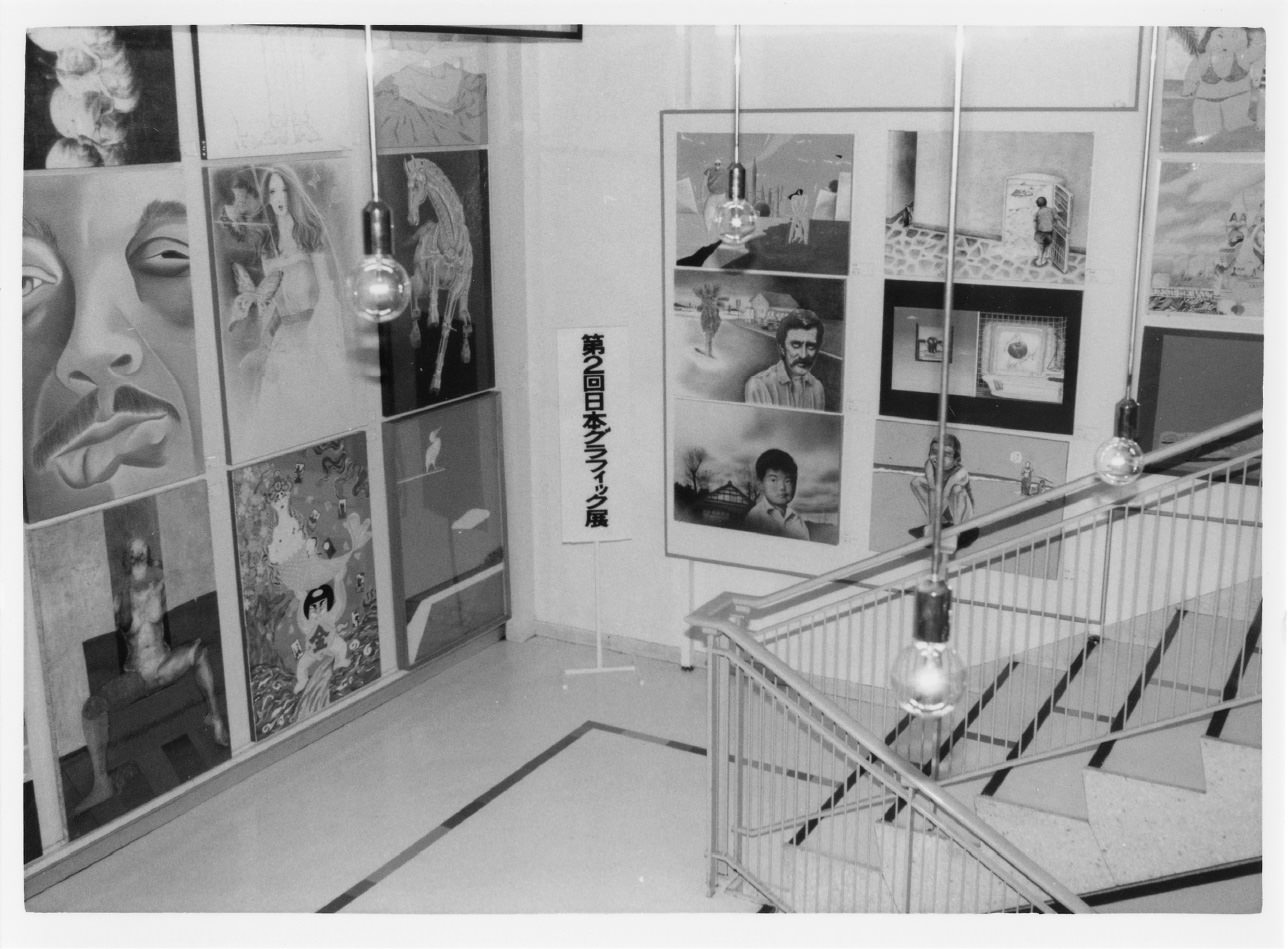
In 1980, the "Japan Graphic Exhibition" was launched, aiming to discover illustrators and photographers. Later, the "Japan Object Exhibition" also began accepting submissions of three-dimensional works. The judges included Katsumi Asaba, Kiyoshi Kuritsu, Kazumi Misogami, and Harumi Yamaguchi, and the exhibition has produced world-renowned artists such as Katsuhiko Hibino, Shinro Ohtake, Noriyuki Tanaka, and Kunio Hikita.
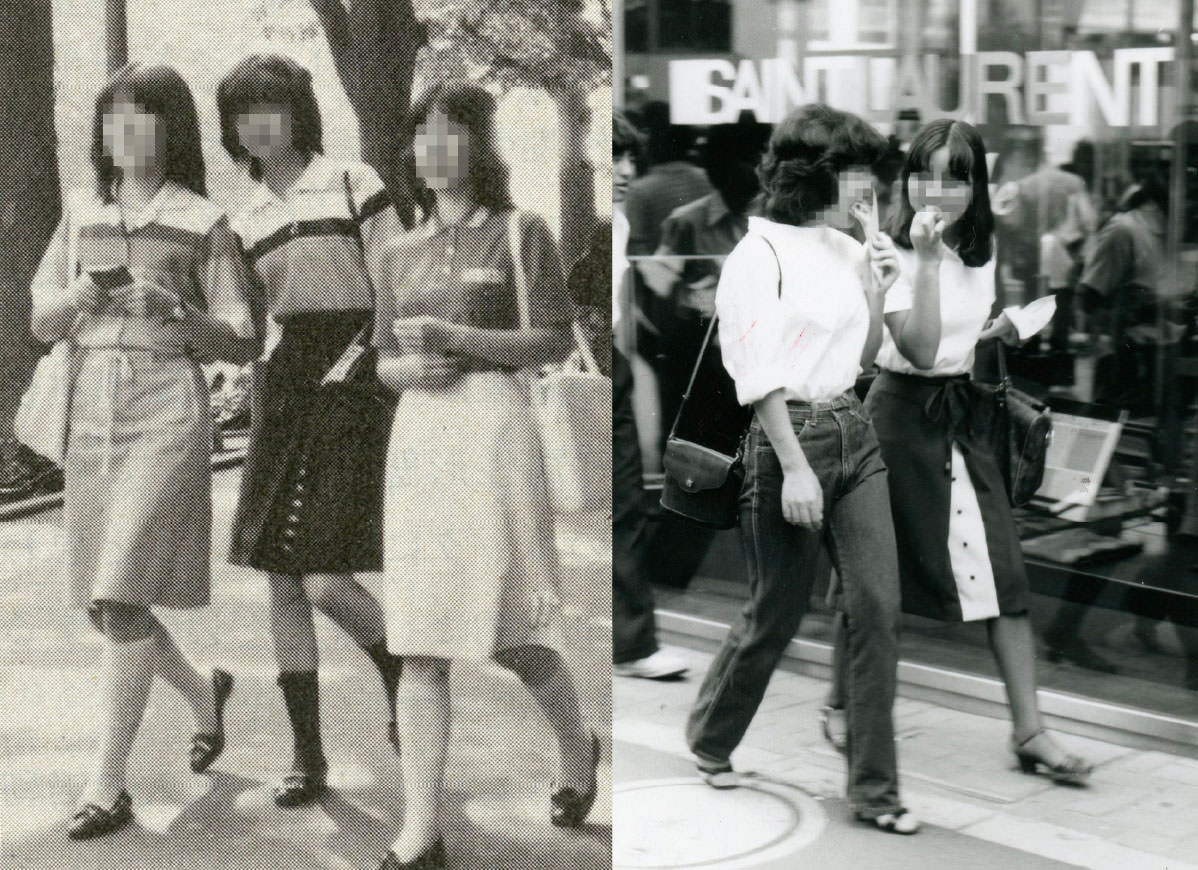
This fieldwork is conducted simultaneously every month in Shibuya, Harajuku, and Shinjuku. In an era where trends are becoming increasingly difficult to predict, it was conceived to study "consumers," the main players in the city, from a micro perspective, in addition to analyzing tenant sales.
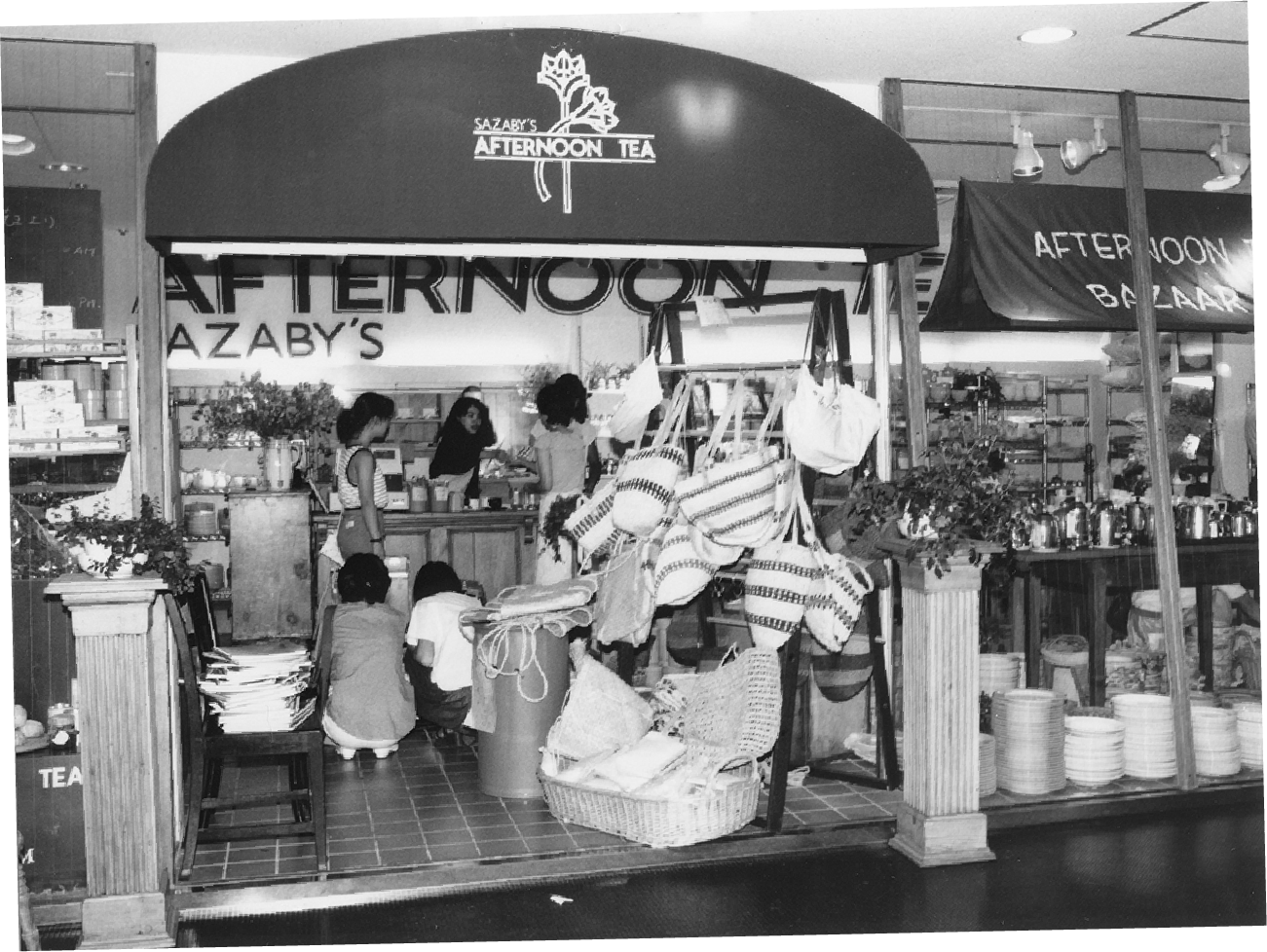
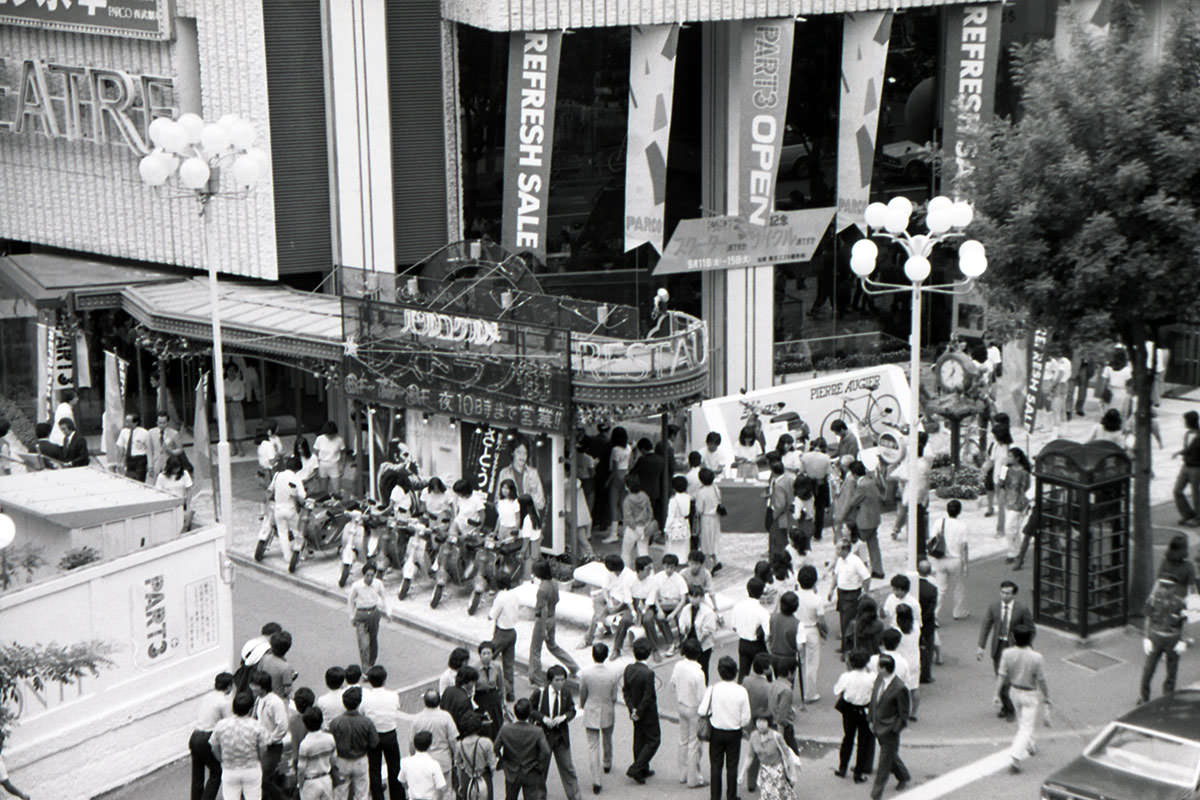
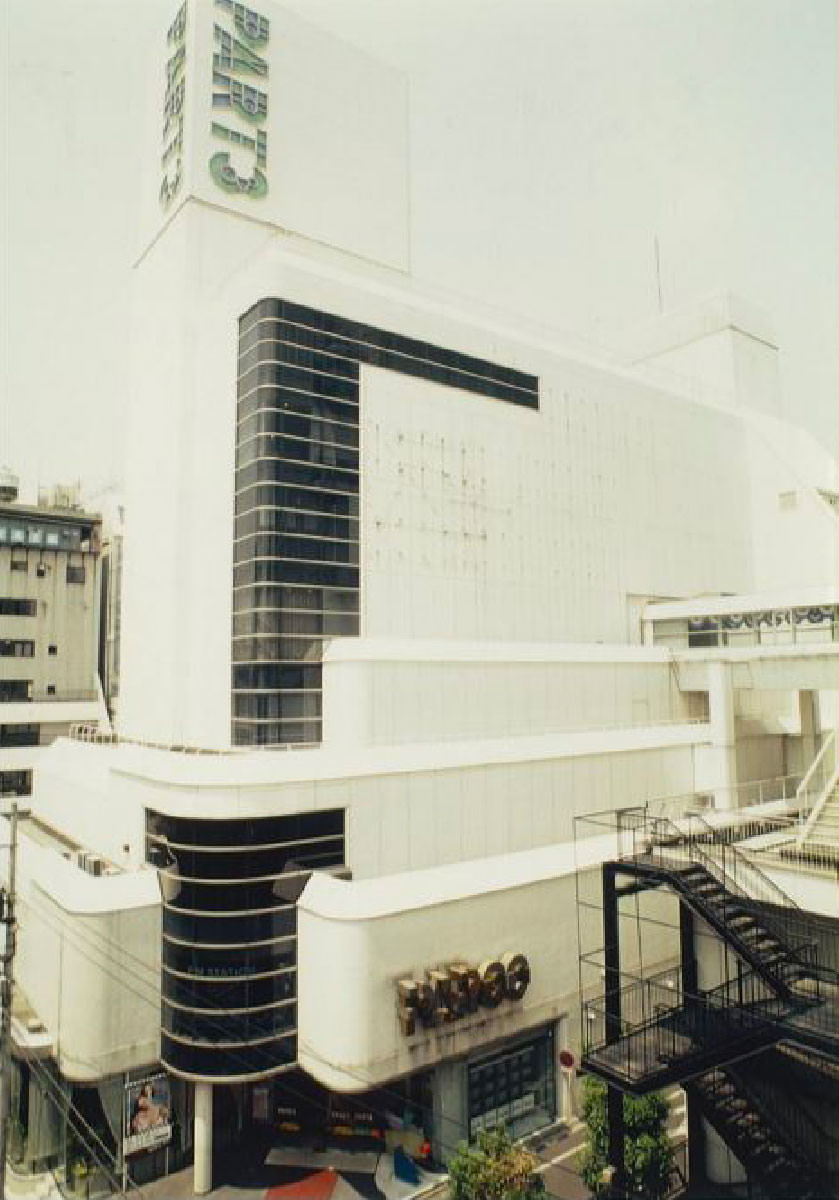
Shibuya PARCO Part 3 has opened, a building that brings together sports, sound, interior design, and miscellaneous goods to propose a lifestyle that enriches daily life. Shibuya PARCO was also the location of the first "Afternoon Tea Room," which proposes the British lifestyle of enjoying afternoon tea.
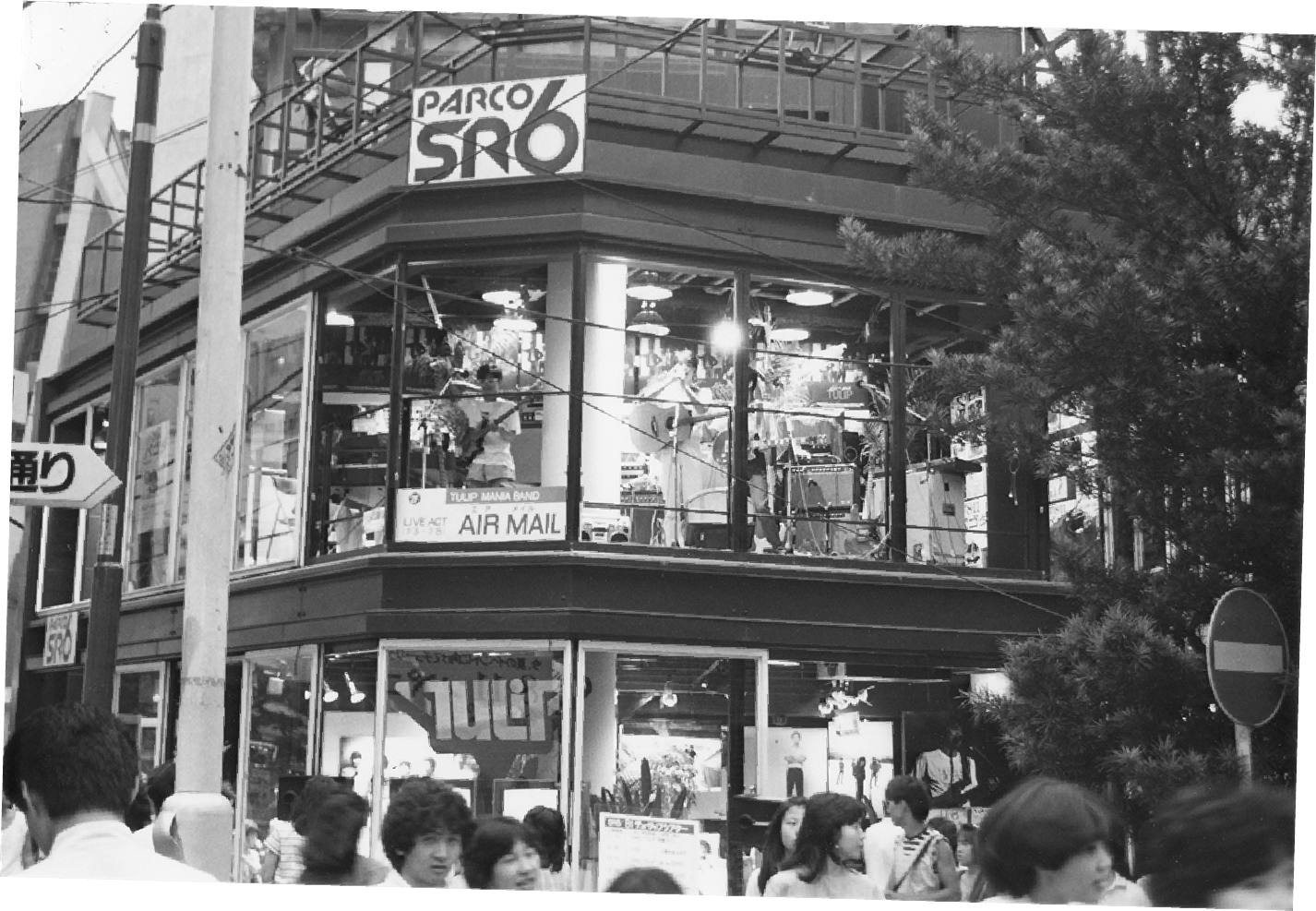
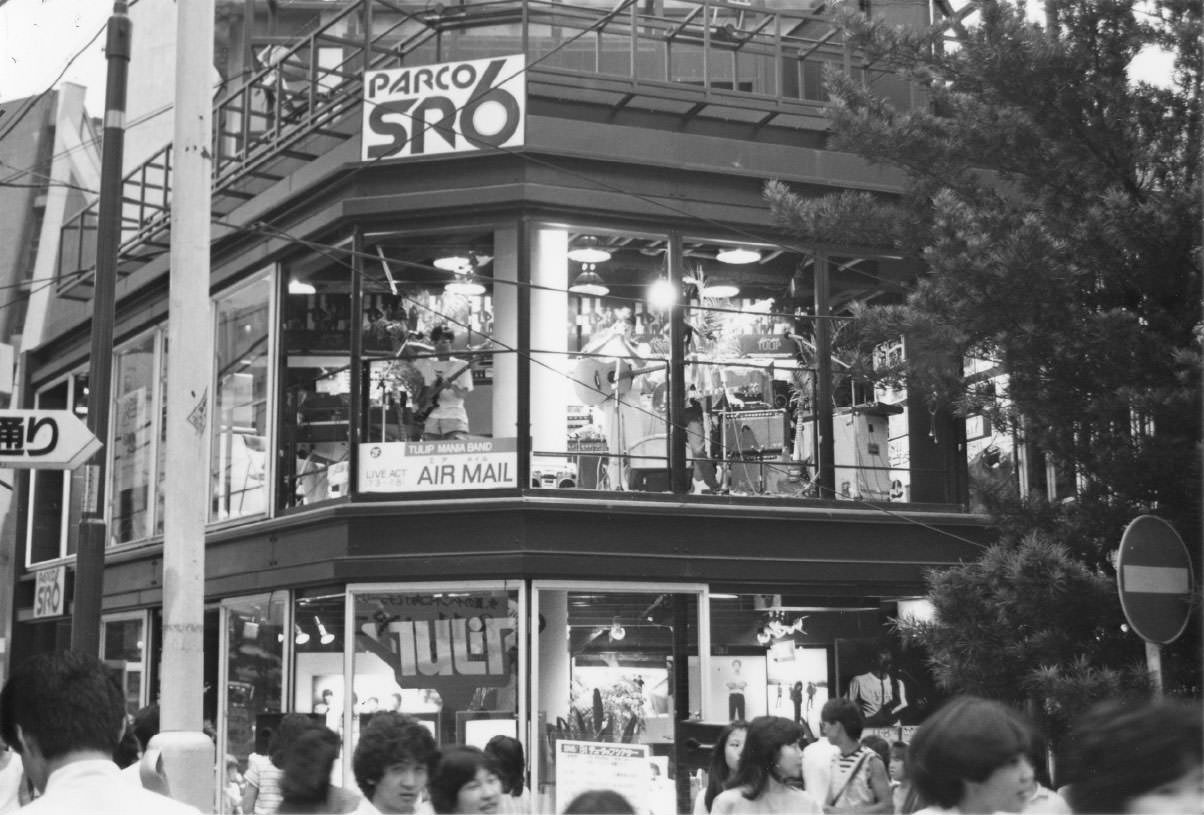
SR6 was introduced as a venue for showcasing mechanics and hardware aimed at discerning male consumers of cars, motorcycles, audio equipment, and video equipment. It hosted events such as a motorsports fair commemorating the Le Mans 24-hour race victory and an exhibition and sale of antique motorcycles.
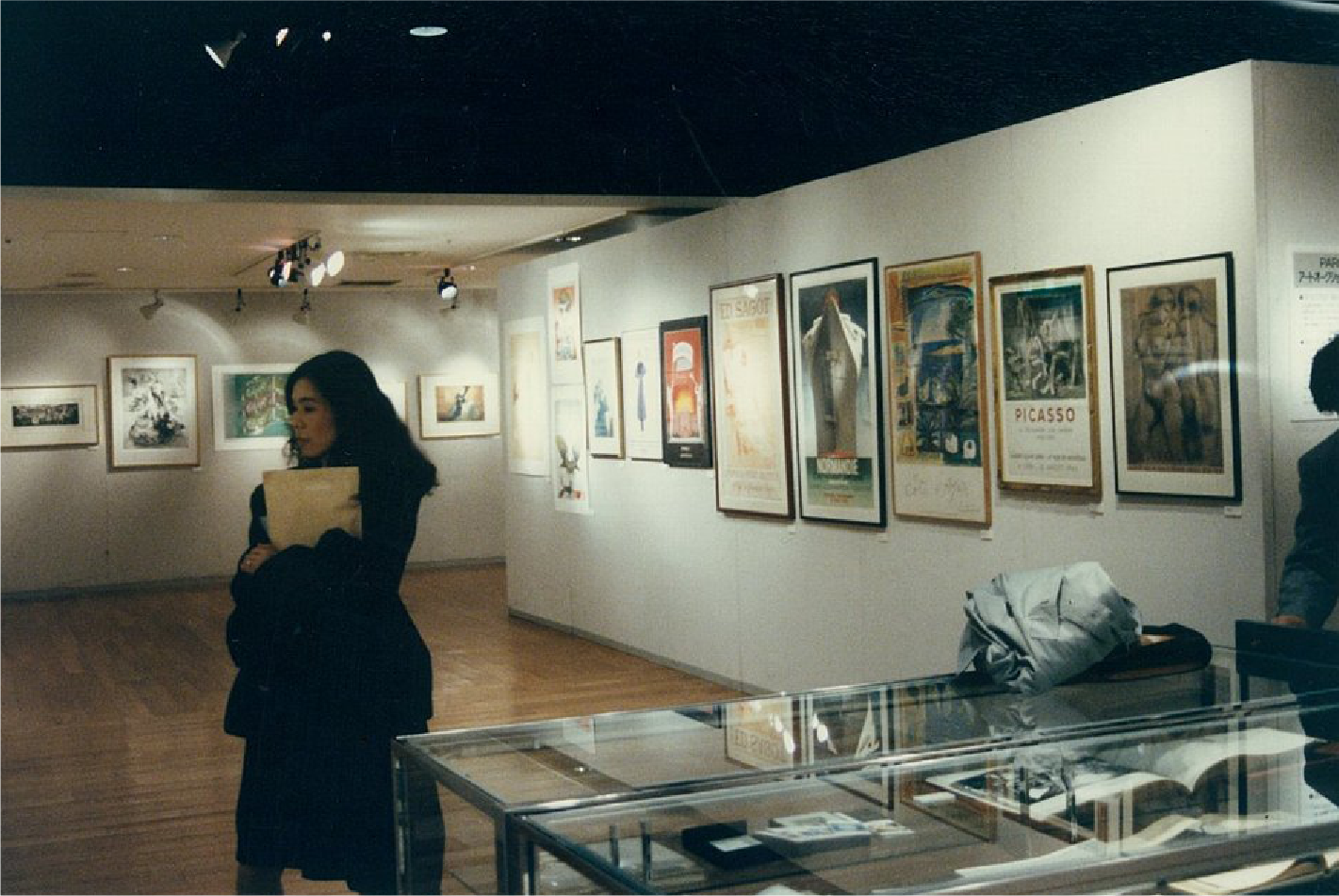
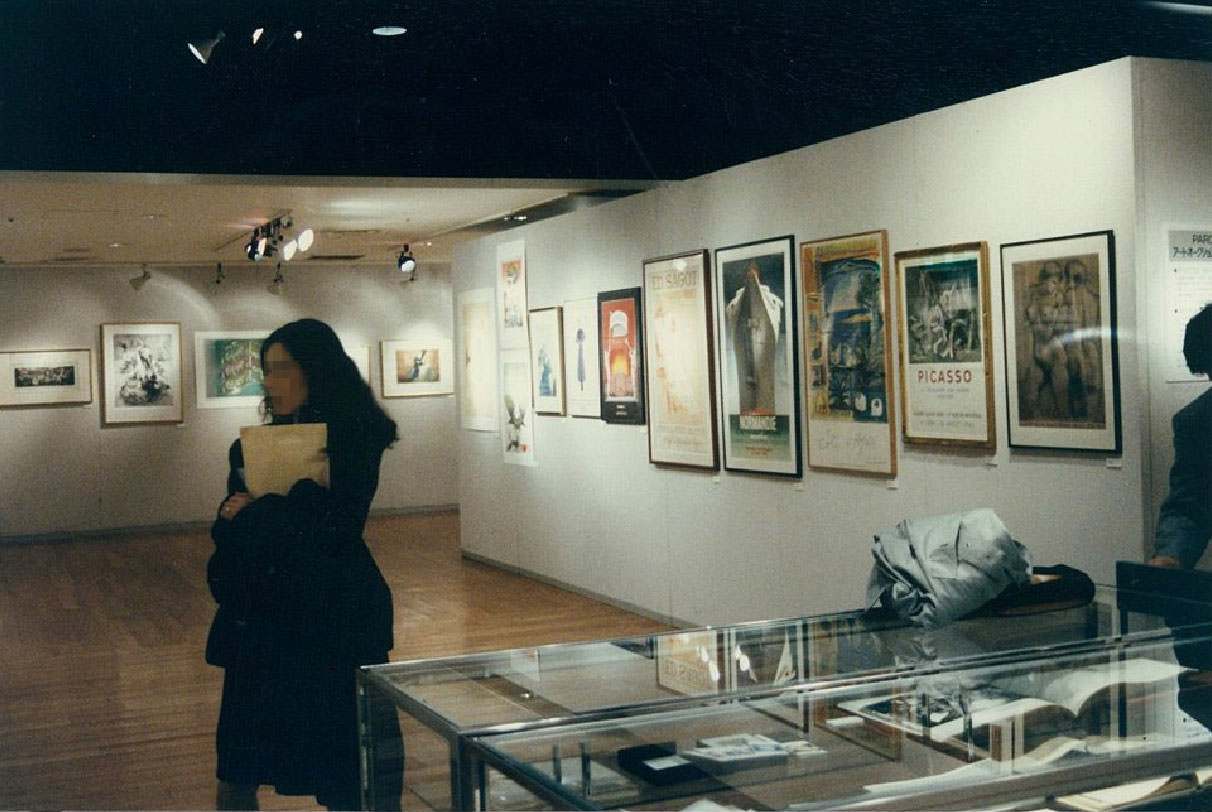
With the opening of Shibuya PARCO Part 3, the multipurpose space "Space Part 3" was born. It functioned as a hub for new cultures both domestically and internationally, including videos, performances, and exhibitions. Since then, art planning and event planning spaces such as PARCO Gallery and PARCO Museum have appeared.
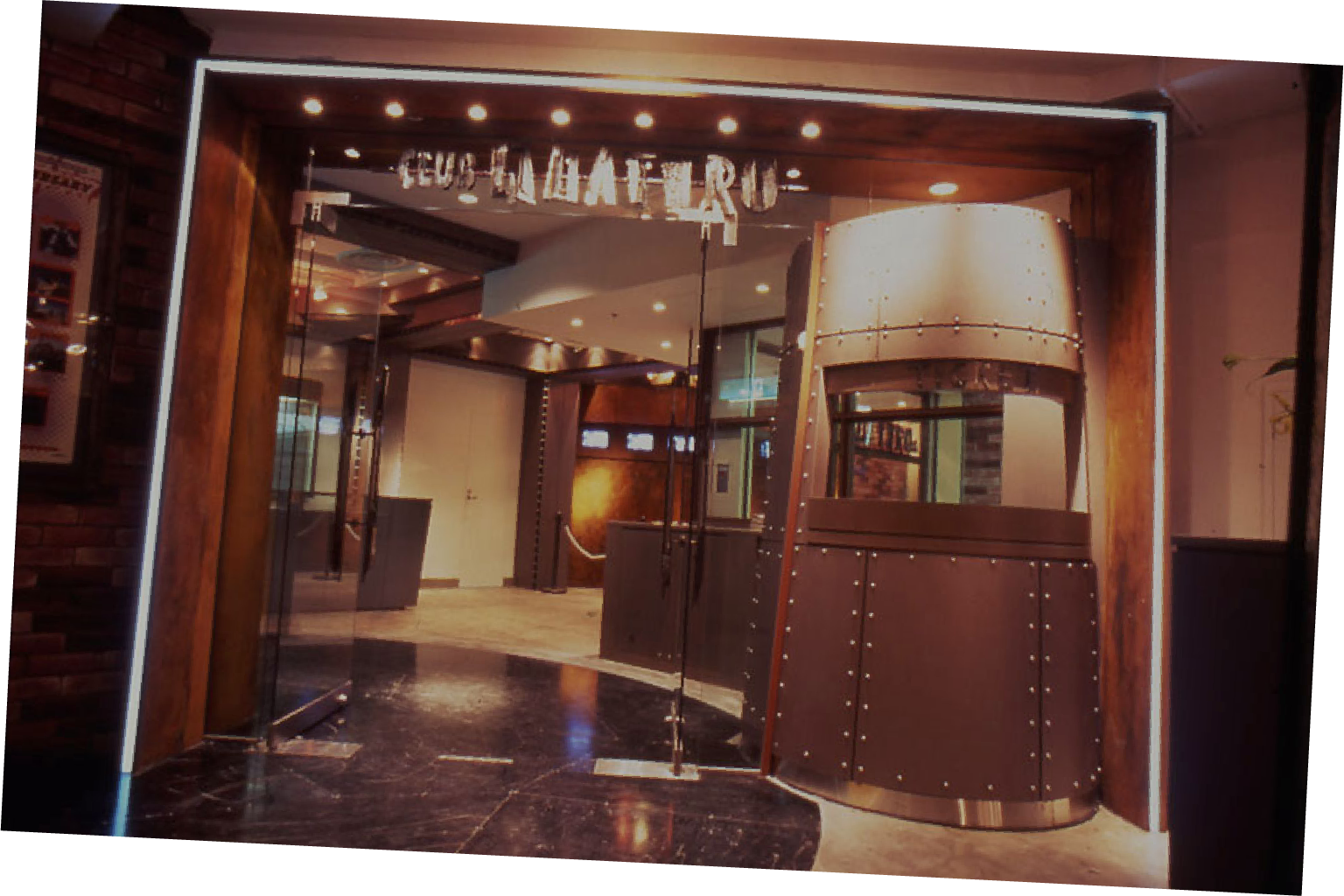
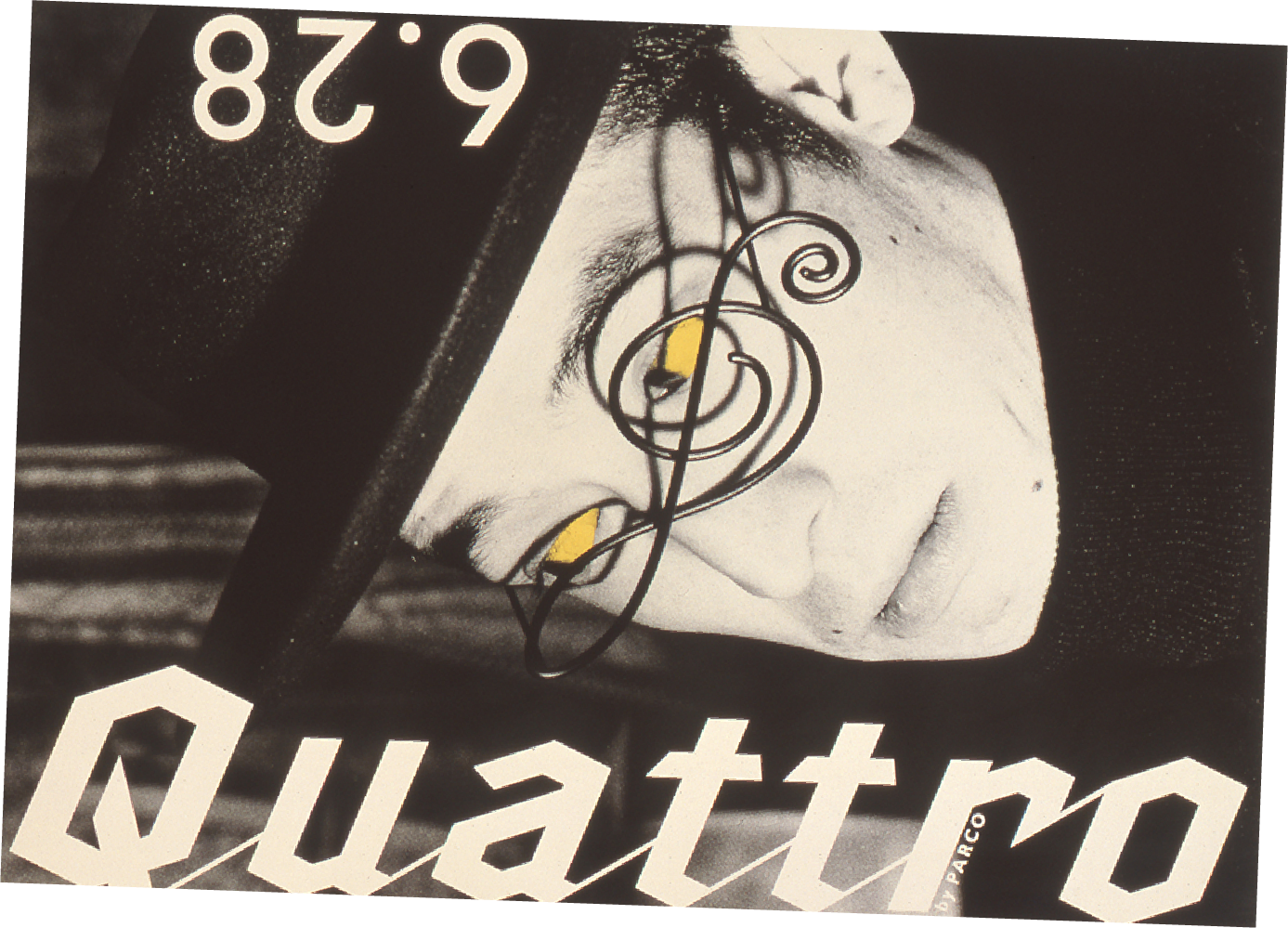
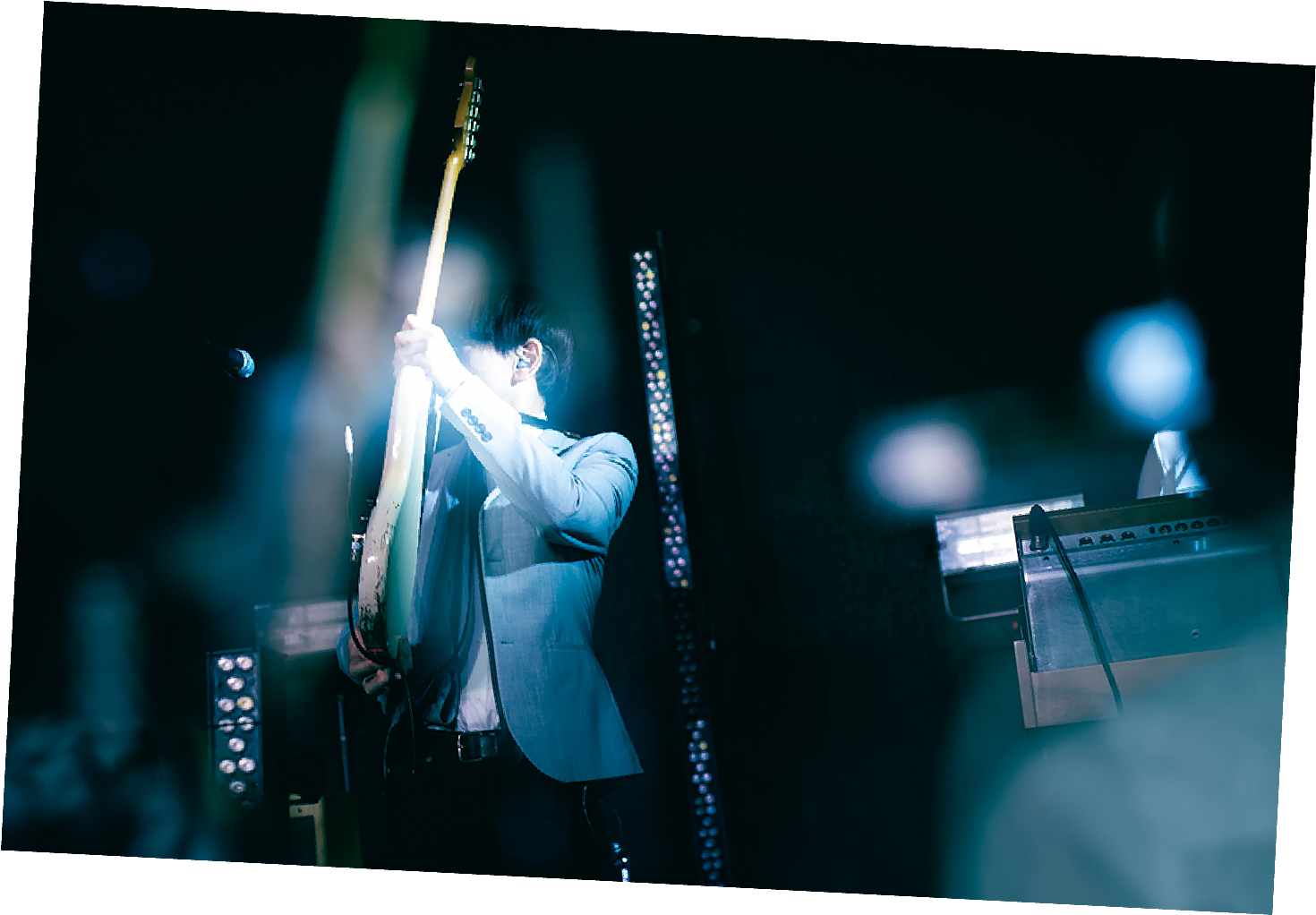
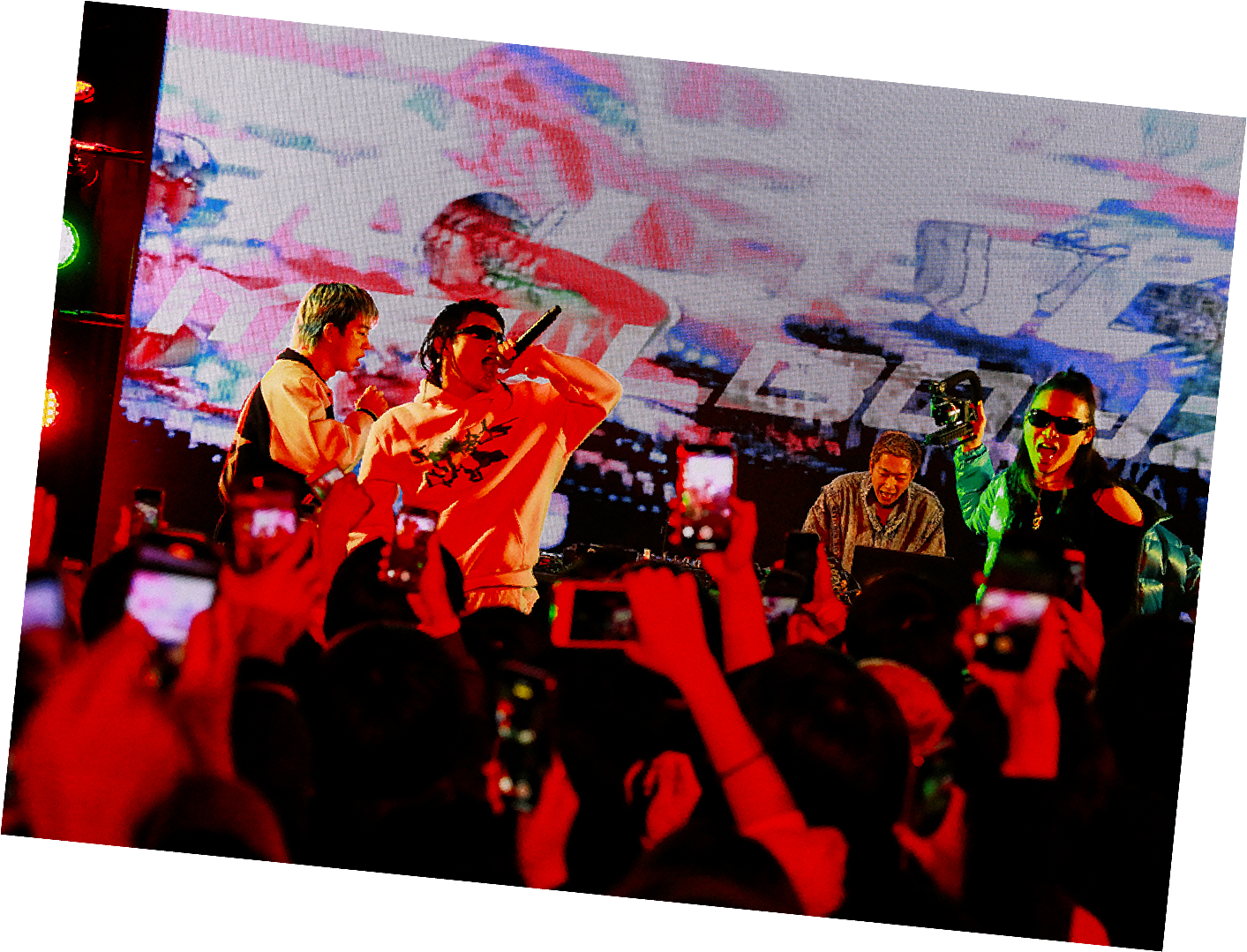
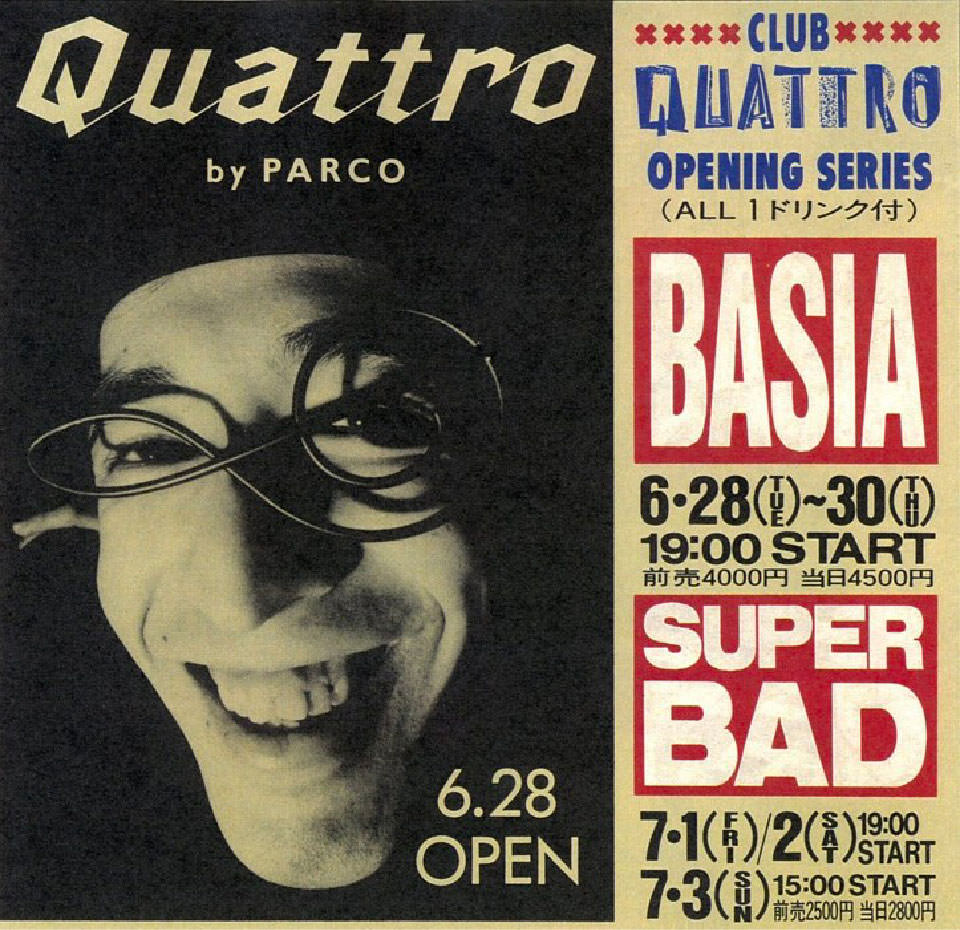
Responding to the changing tastes of young people seeking unique lifestyles, Shibuya Club Quattro opened, featuring a succession of newcomers and emerging subculture figures on its stage. It plays a role in bridging the gap between the mainstream and the underground.
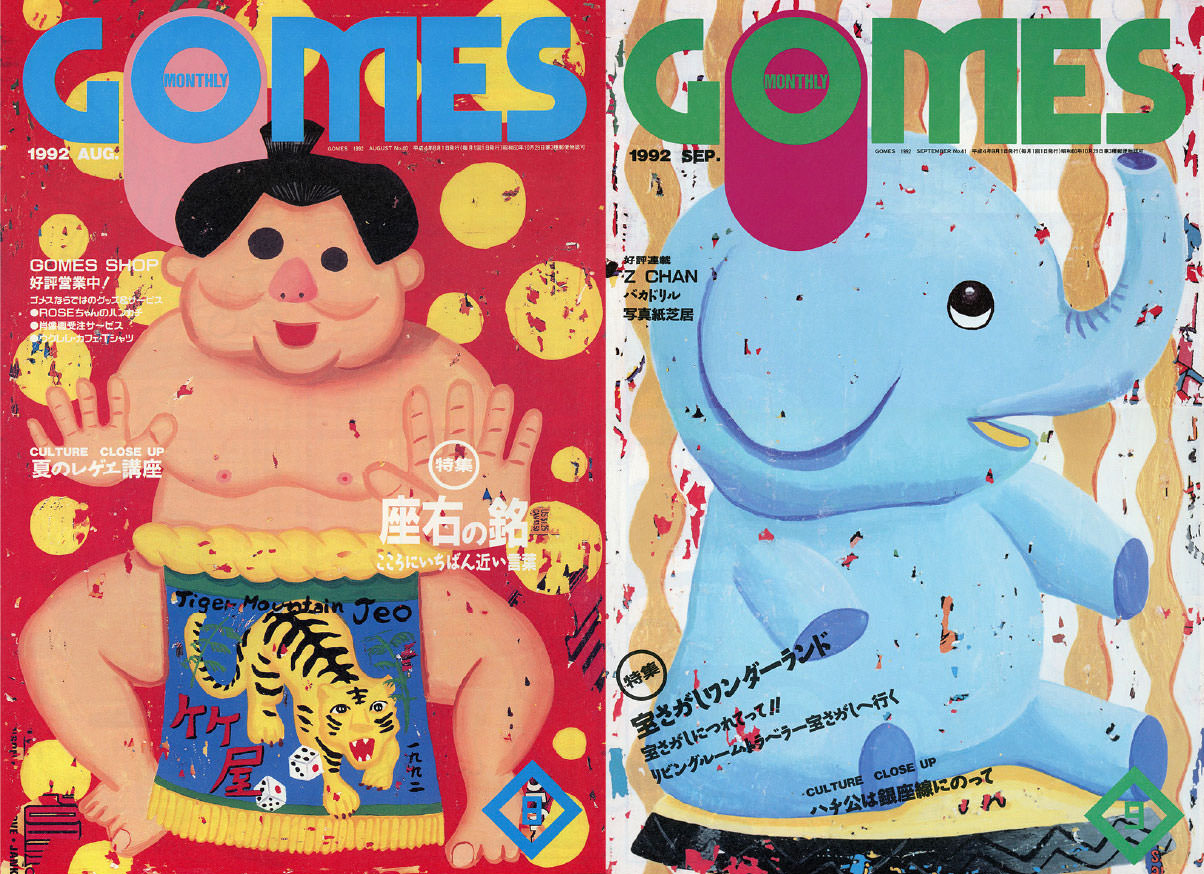
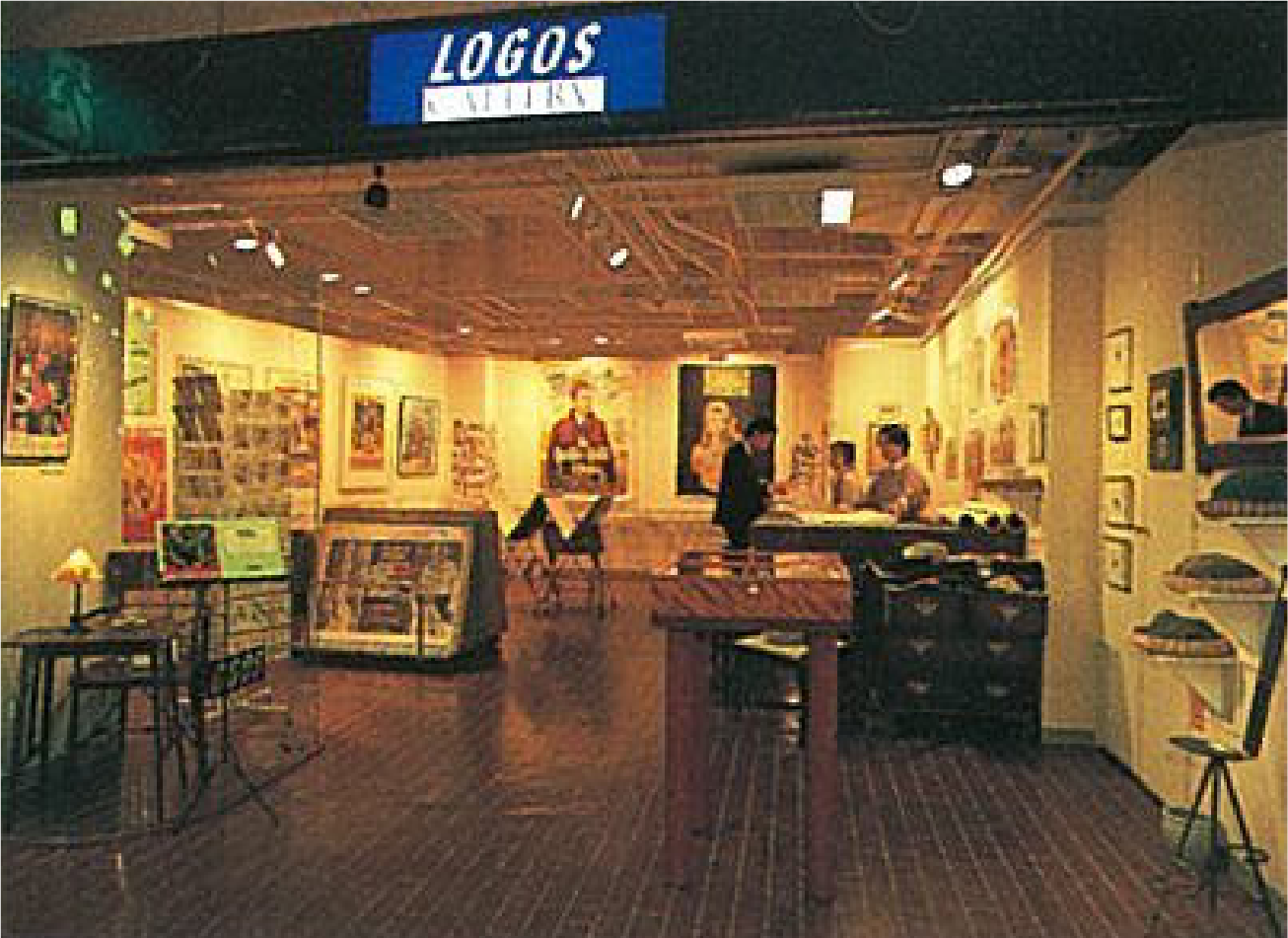
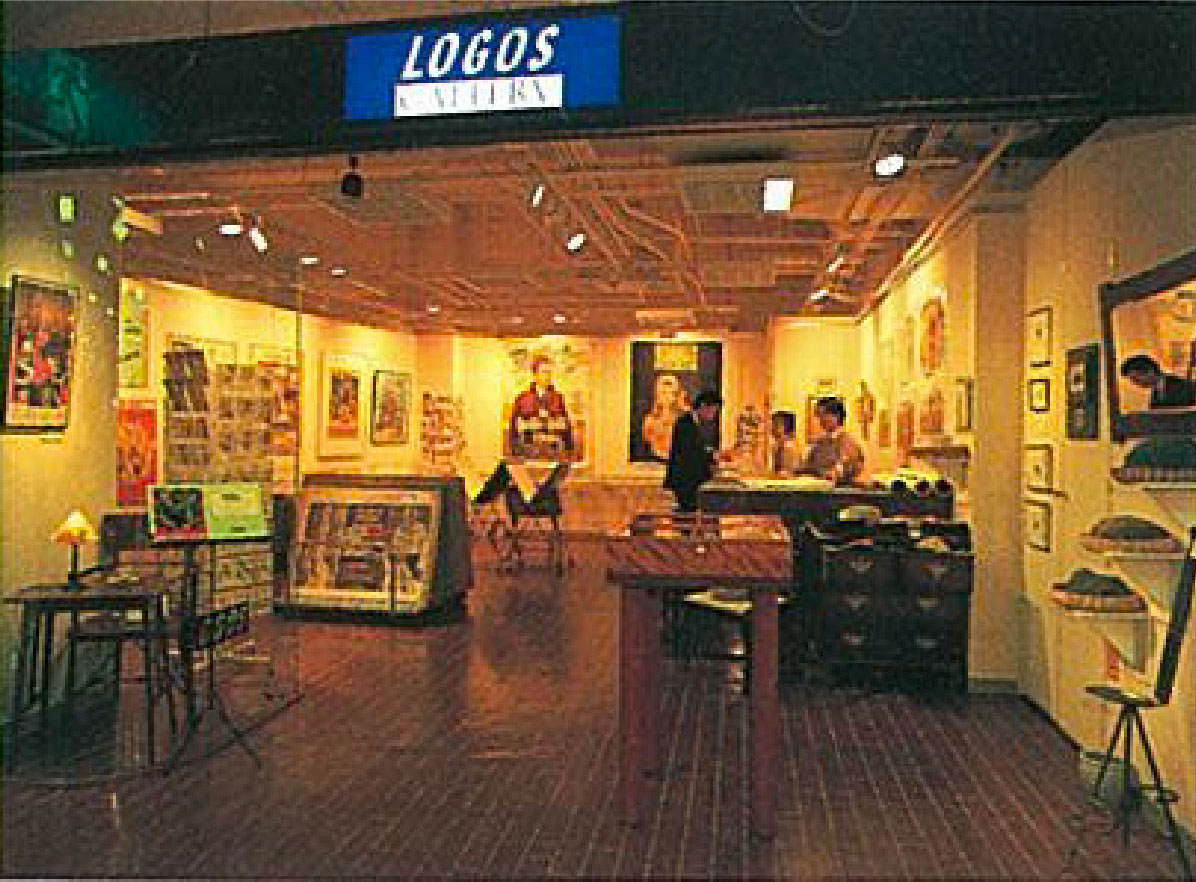
The high-sensitivity select bookshop, PARCO Book Center, opened. It enriched its collection of art and culture magazines and foreign books, offering it to creative people. In the adjacent area, the Logos Gallery was added, exhibiting and selling antique books, hosting academic special exhibitions, and commemorative photo exhibitions for publications.
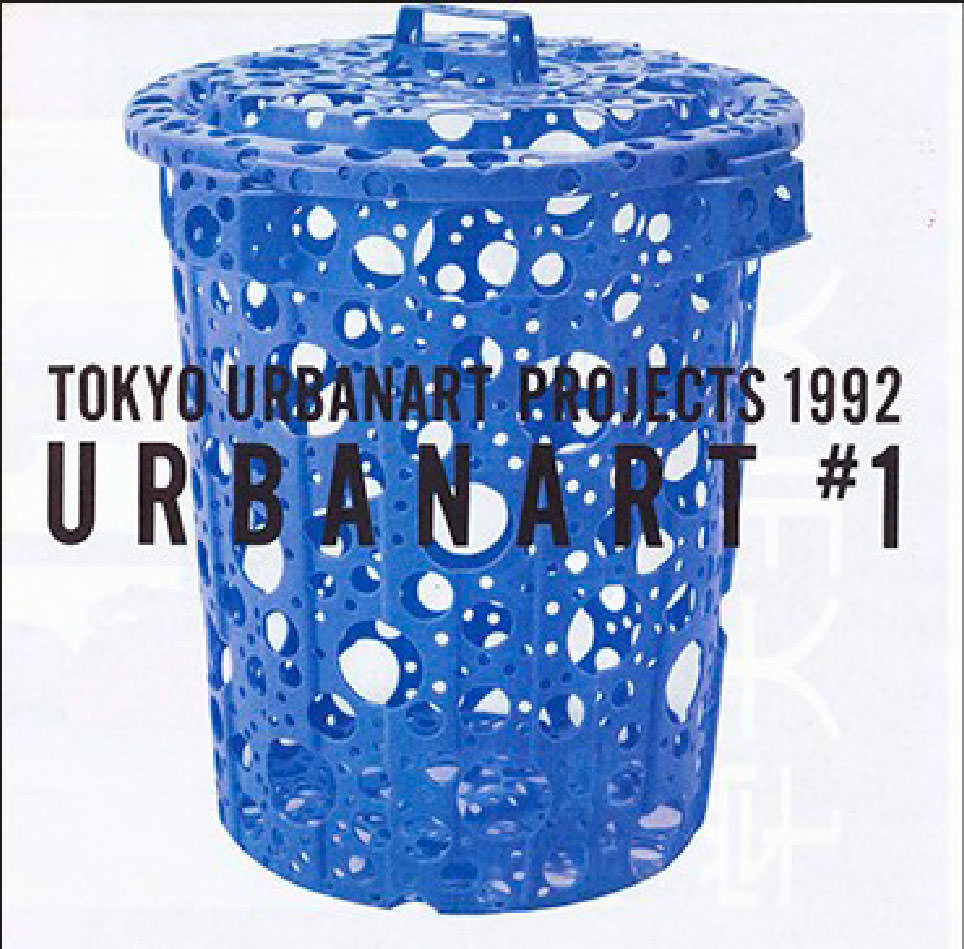
The open-call exhibition, which started as the "Japan Graphic Exhibition," branched off into the "Japan Object Exhibition," which accepts three-dimensional works. In 1992, the two were merged to form the "Urban Art Exhibition." Regional judging was also conducted, and it came to be known as the "Koshien of Art." Over 20 years, the total number of entries reached 62,774.
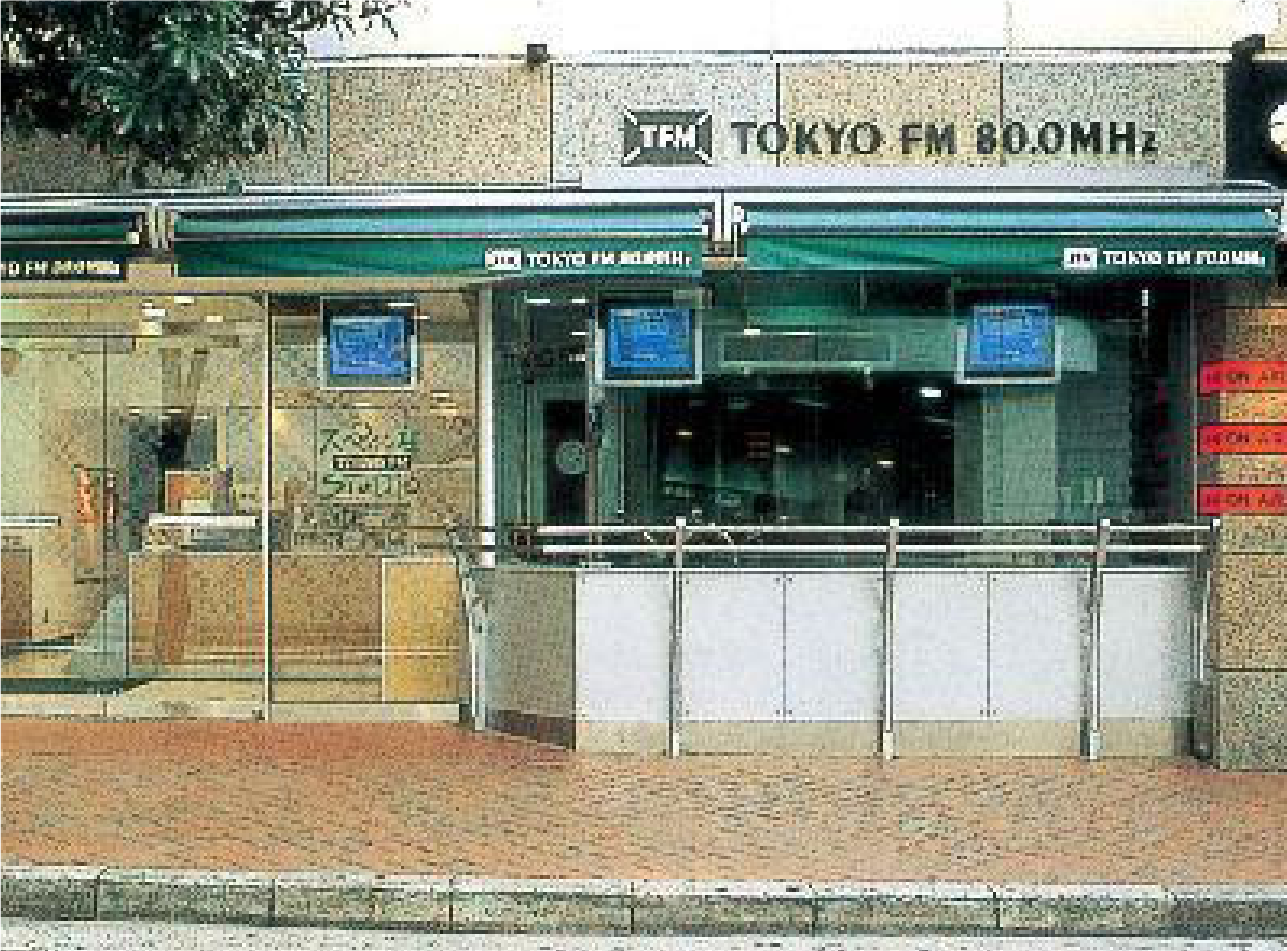
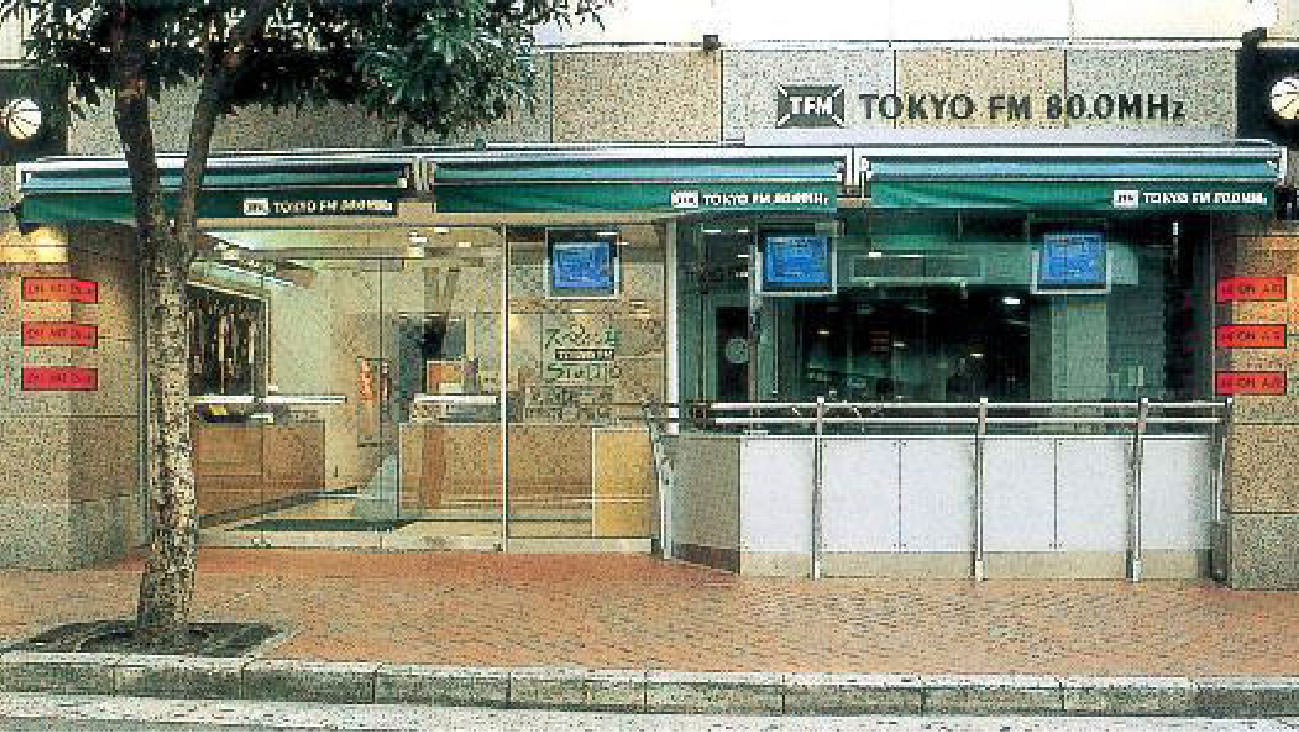
Located on the first floor of Shibuya PARCO Part 1, at the top of "Spain Hill," Tokyo FM opened the Shibuya Spain Hill Studio as a satellite studio. Many guests appear in the glass-walled open studio. Many big names have appeared, and sometimes fans line up all the way to Yoyogi Park just to catch a glimpse of them.
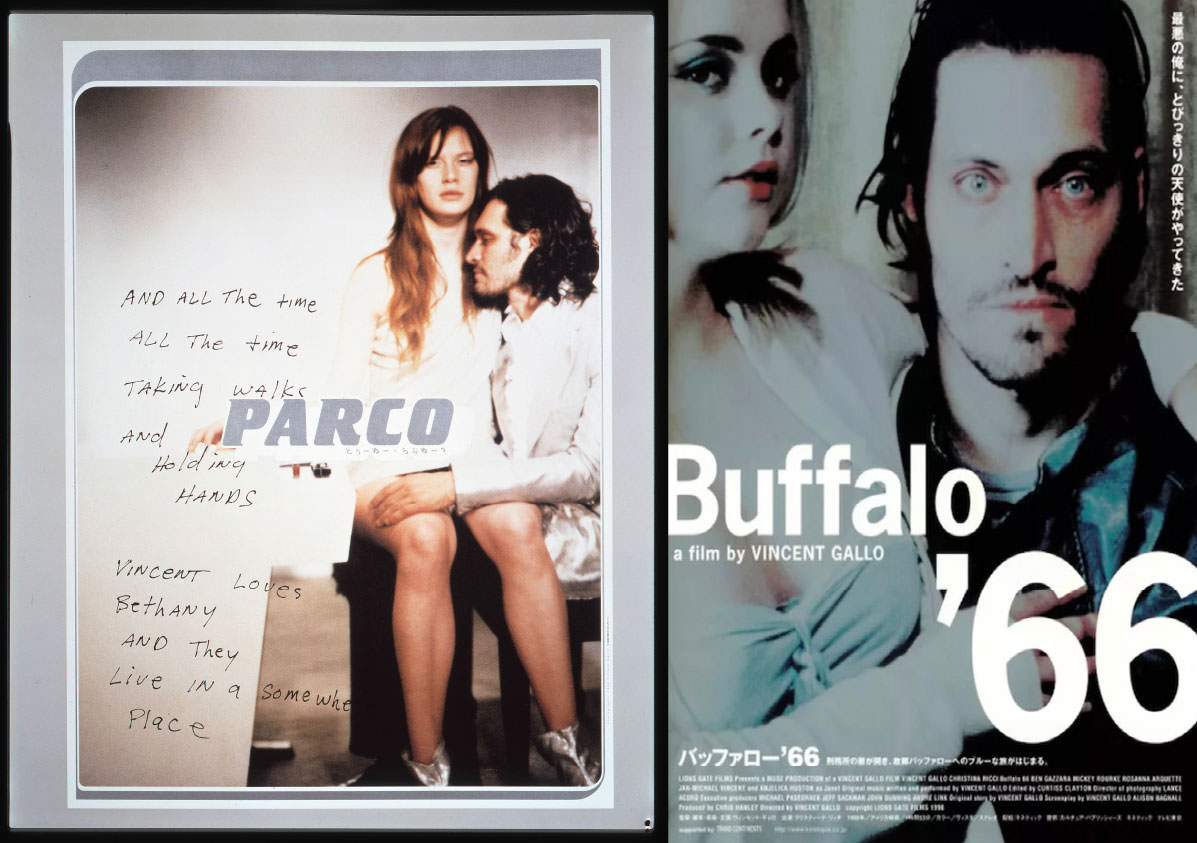
Taking over Space Part 3, which had been showing experimental video works, Cine Quinto, a mini-theater that "provides entertainment from all over the world," opened in Shibuya PARCO Part 3. Its inaugural film, "Buffalo '66," became a huge hit.
Shibuya ZERO GATE, a sophisticated lifestyle building, has opened at the entrance to "Spanish Hill." It features select shops offering high-end fashion and goods from Japan and abroad, as well as concept cafes and restaurants, making it a building where you can enjoy Shibuya day and night.
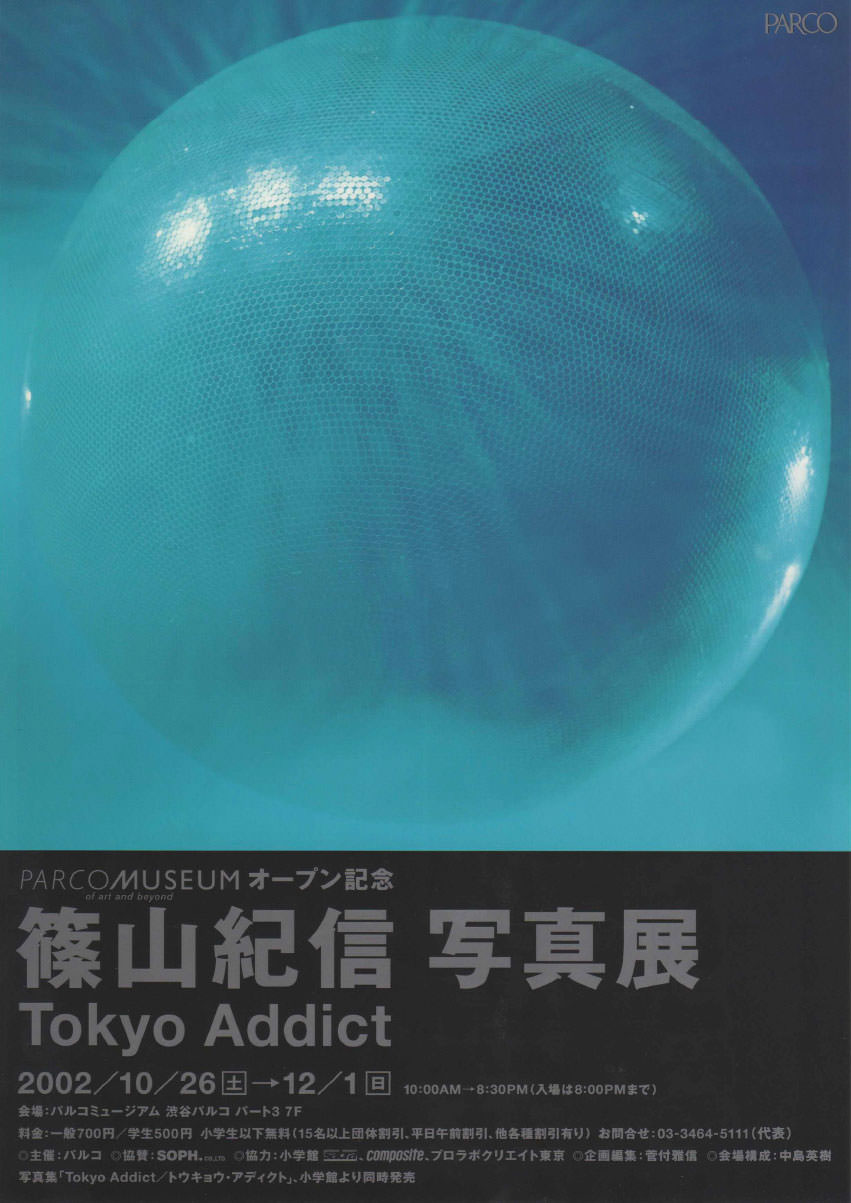
The Shibuya PARCO Part 3 and 7F Art Space, PARCO Museum, opened. It introduces the vibrant art scenes from Japan and abroad, carrying forward the concepts of Pace Part 3 and PARCO Gallery. It also features photo exhibitions by numerous photographers, with the opening event featuring the master Kishin Shinoyama.
A total of 80 stores, including shops making their Tokyo debut, opened, showcasing fashion, miscellany, and interior design based on different concepts for each floor. On the upper floors, the PARCO Museum was set up on one floor to strengthen cultural dissemination alongside the cinema Cinequint.
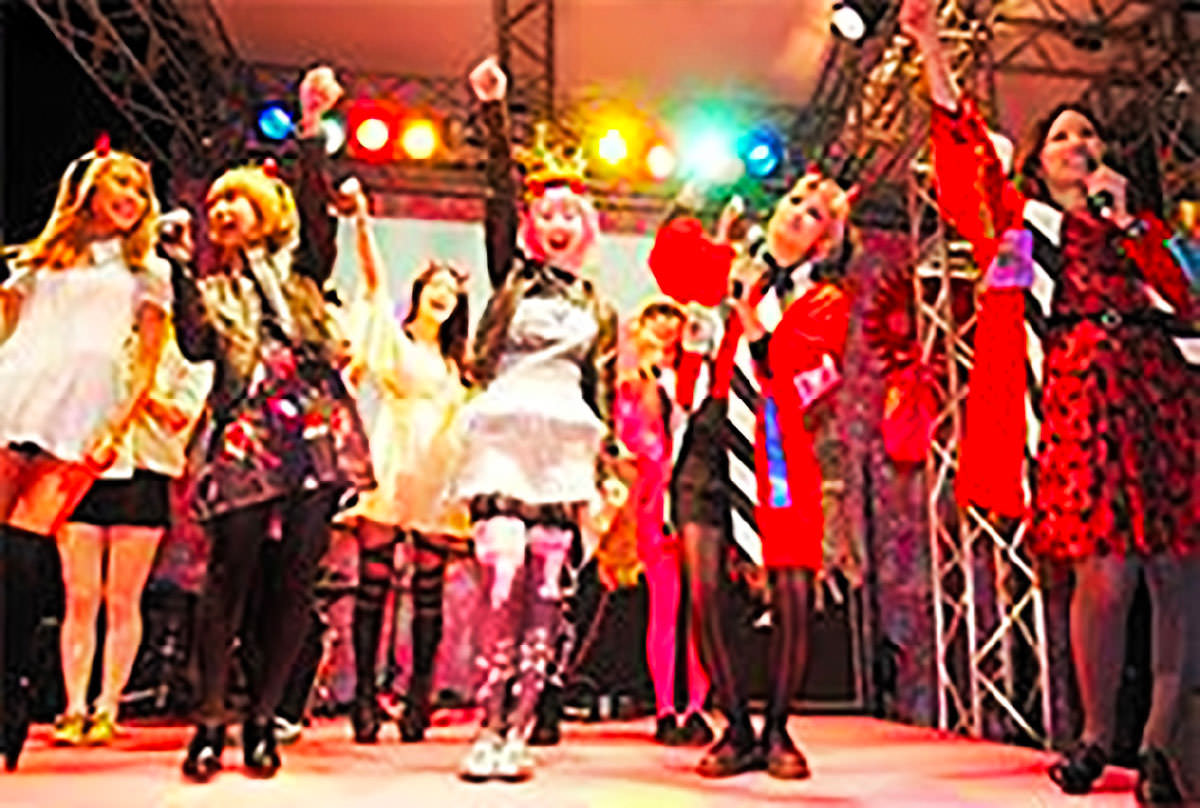
PARCO, which has "incubation" as its business foundation, has launched "Shibukaru Festival," a celebration of female creators. Every year, more than 100 female creators who will lead the next generation have presented their unique expressions at Shibuya PARCO.
2019 From fiscal years 2021 to 2014, we launched the crowdfunding service "BOOSTER" to support projects across the creative content domain and bring innovative challenges together with consumers. Leveraging PARCO 's expertise, we support projects both online and in person (in stores).
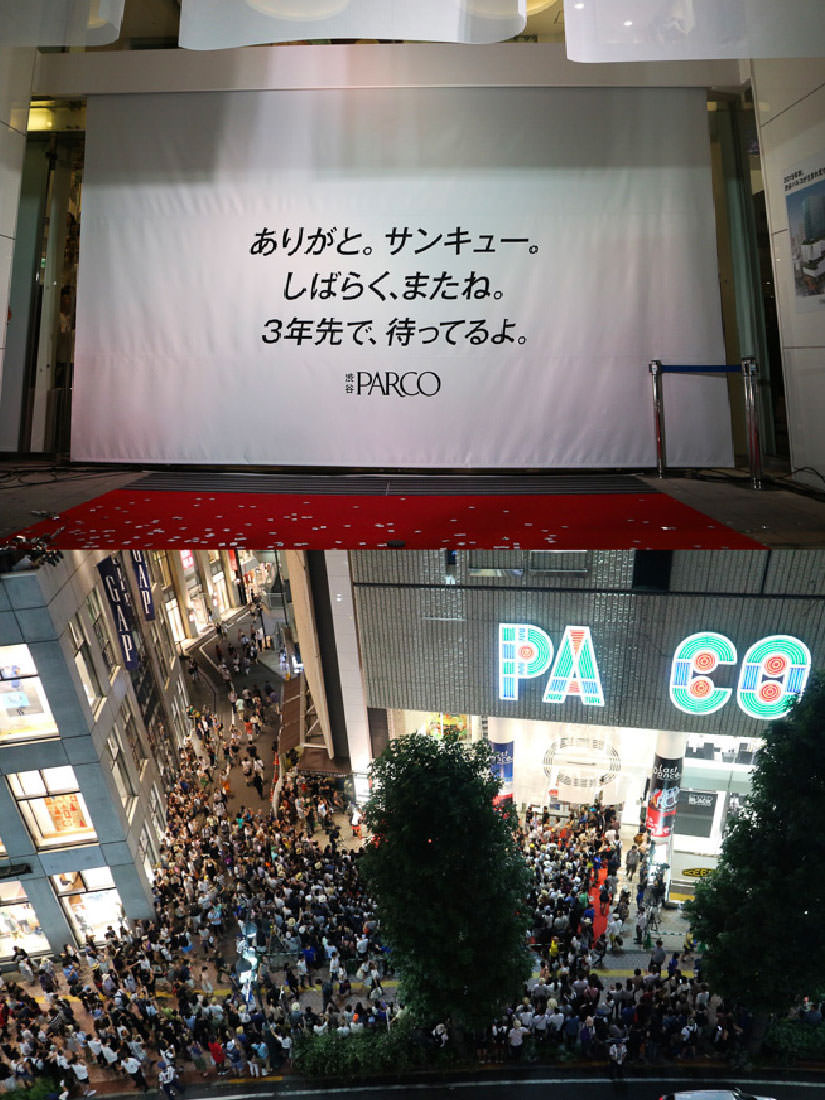
The store launched the "Last Dance_ Campaign" as it approached its final day of business after a temporary closure. The advertising campaign featured Michihiko Yanai as creative director, Tsugiya Inoue as art director and designer, and Junpei Watanabe as copywriter. The final 10 days included exhibitions by renowned artists and the "Shibuya Koen-dori Memorial Parade," creating a grand and memorable farewell. Photo by: ©FASHIONSNAP
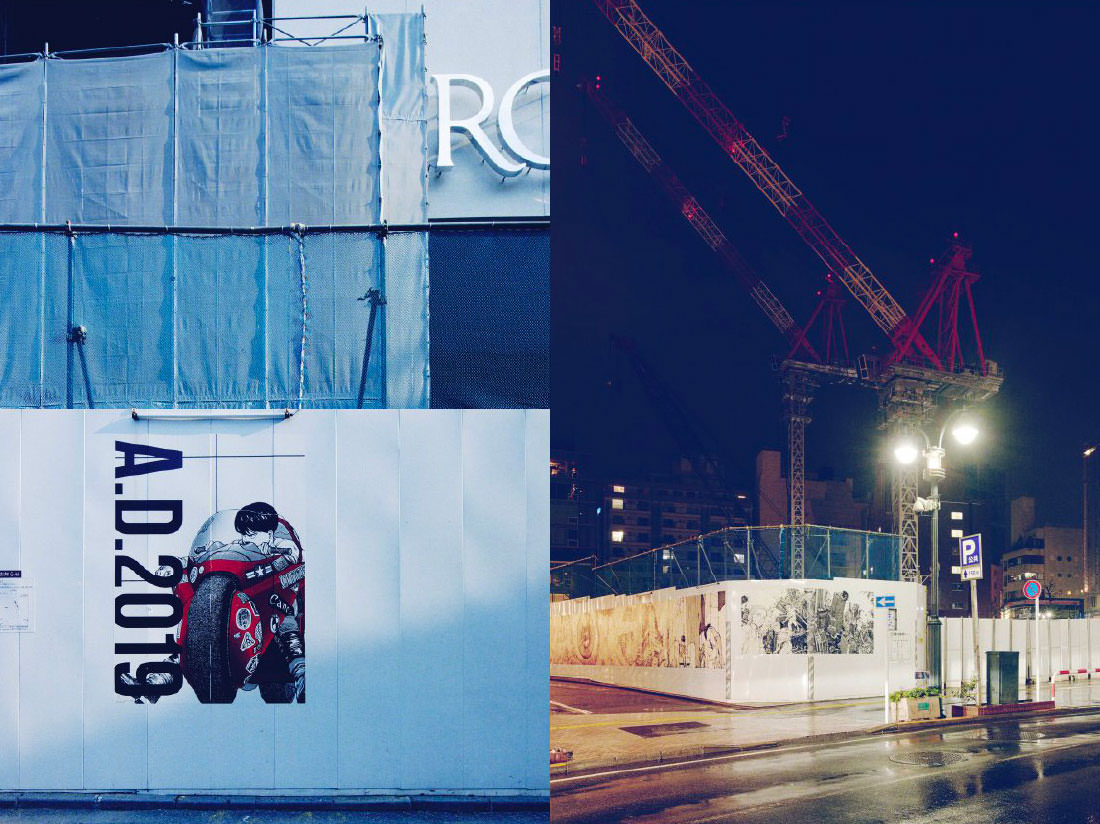
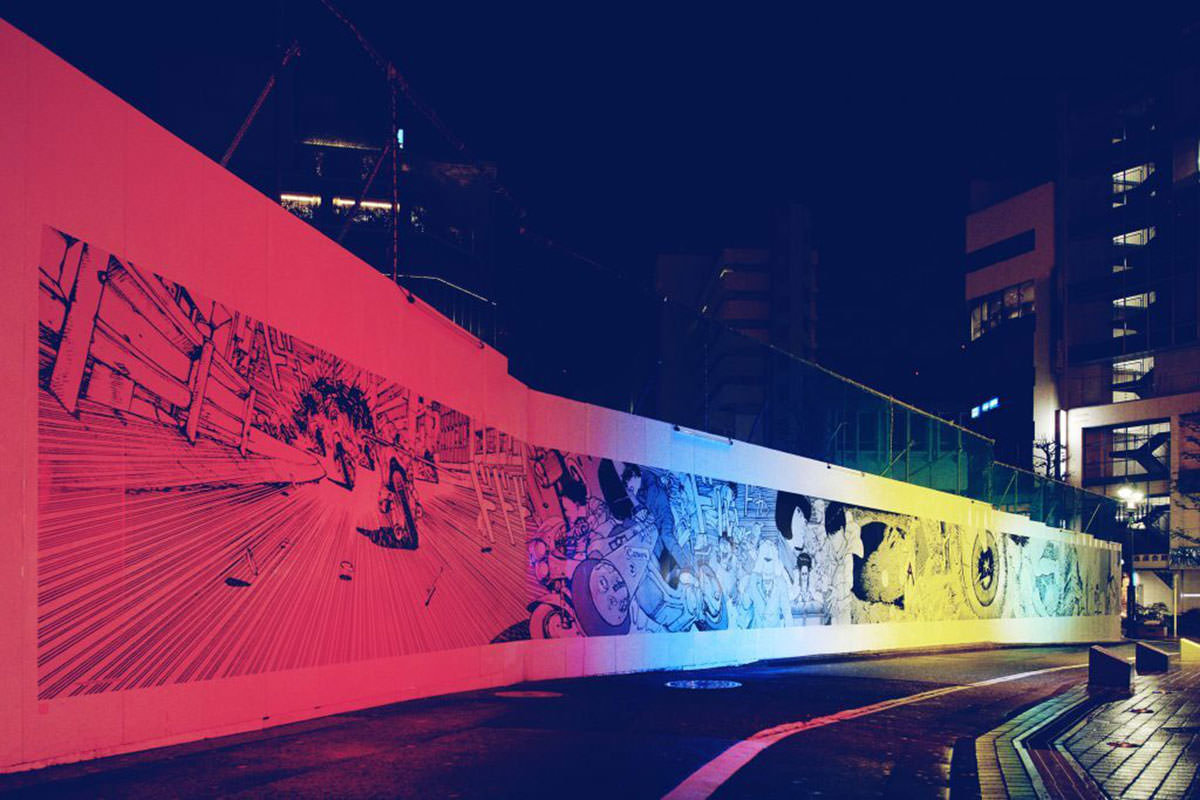
During the reconstruction of Shibuya PARCO, an art installation was created to revitalize the area. The installation, a collaboration between collage artist Kosuke Kawamura and Katsuhiro Otomo, a leading Japanese manga artist and film director, and his masterpiece "AKIRA," set in 2019, garnered attention both domestically and internationally. Photo by: ©TAKAMURADAISUKE ©MUSH•ROOM/KODANSHA